
Berlin !
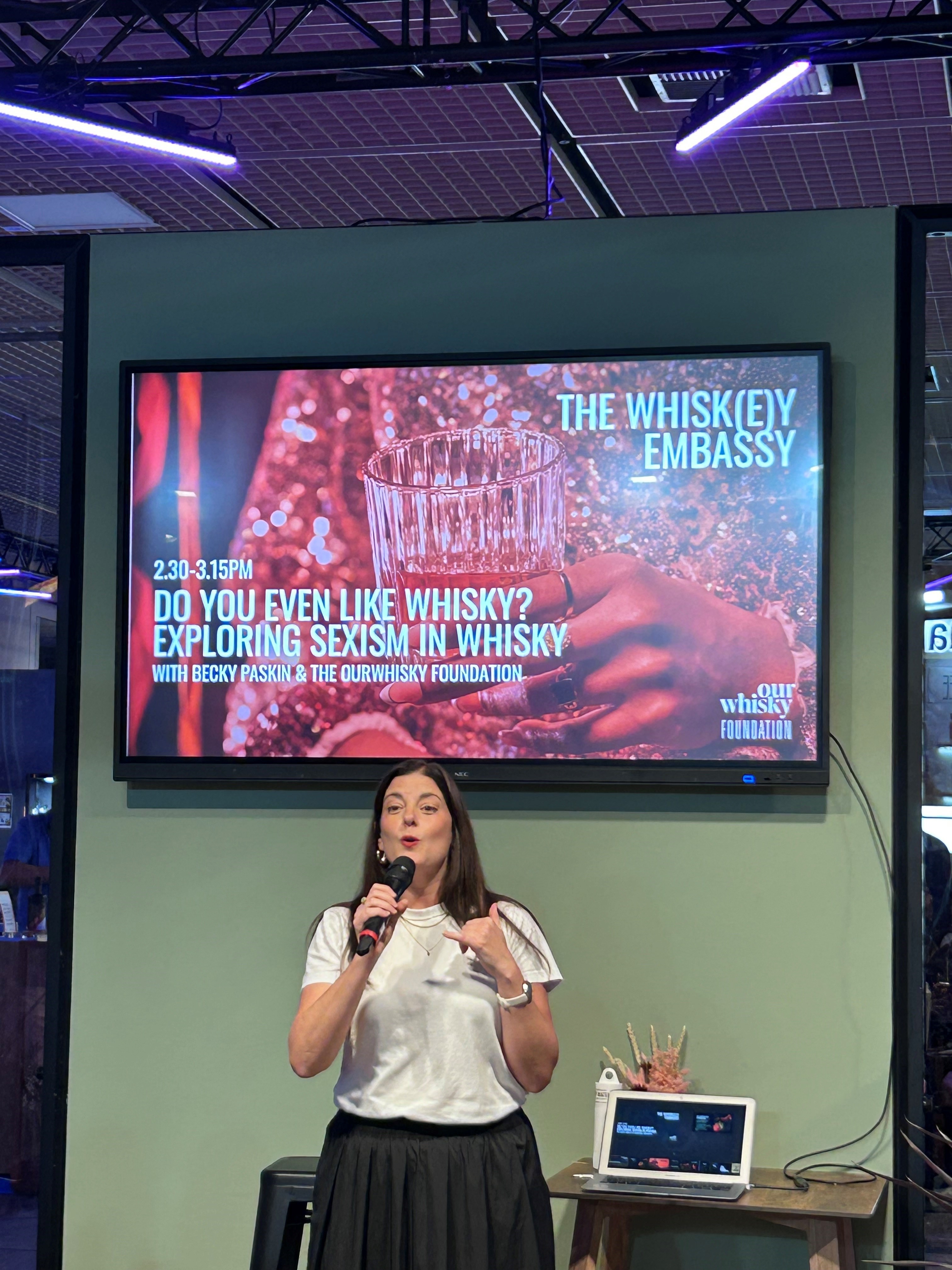
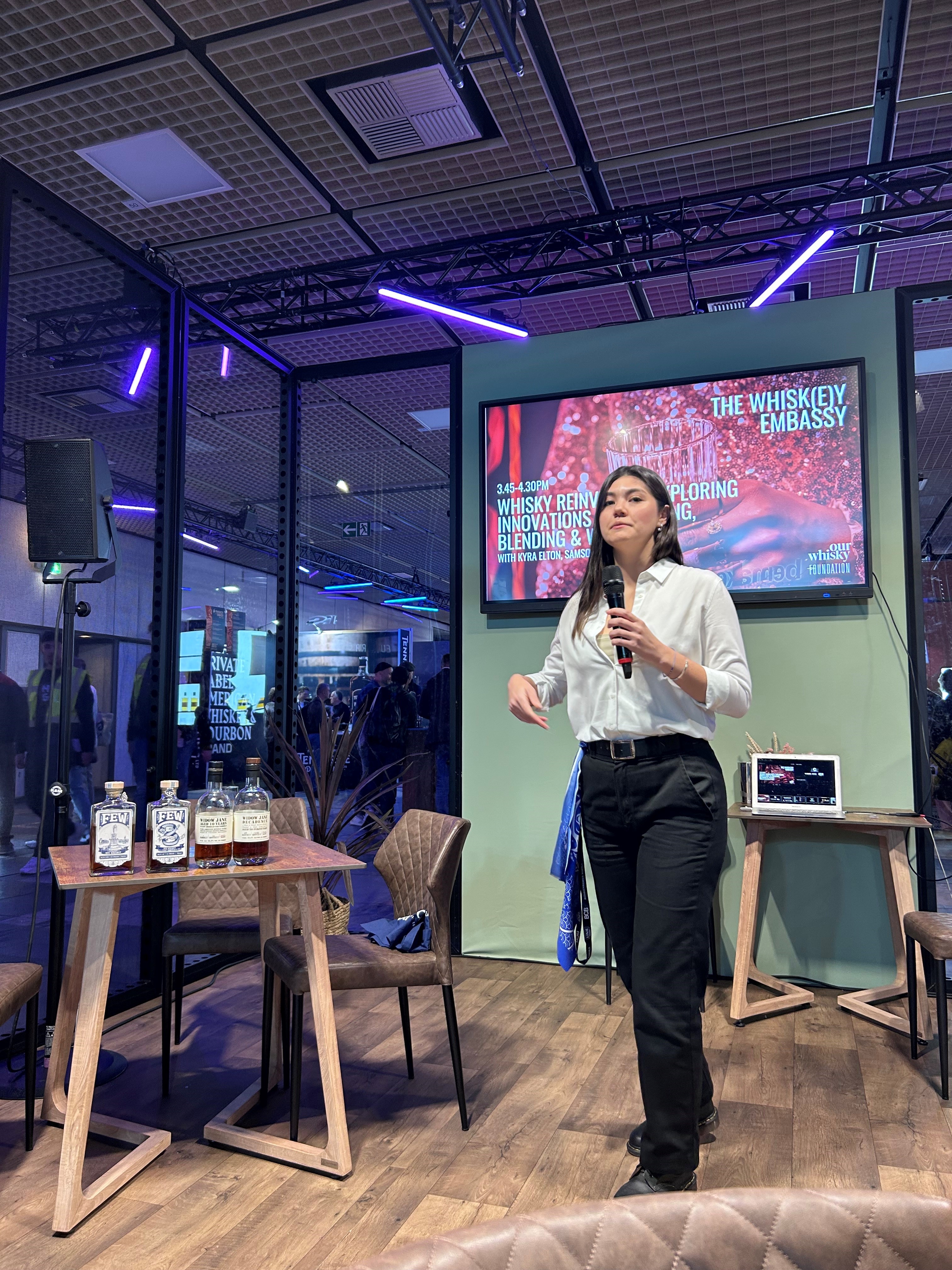
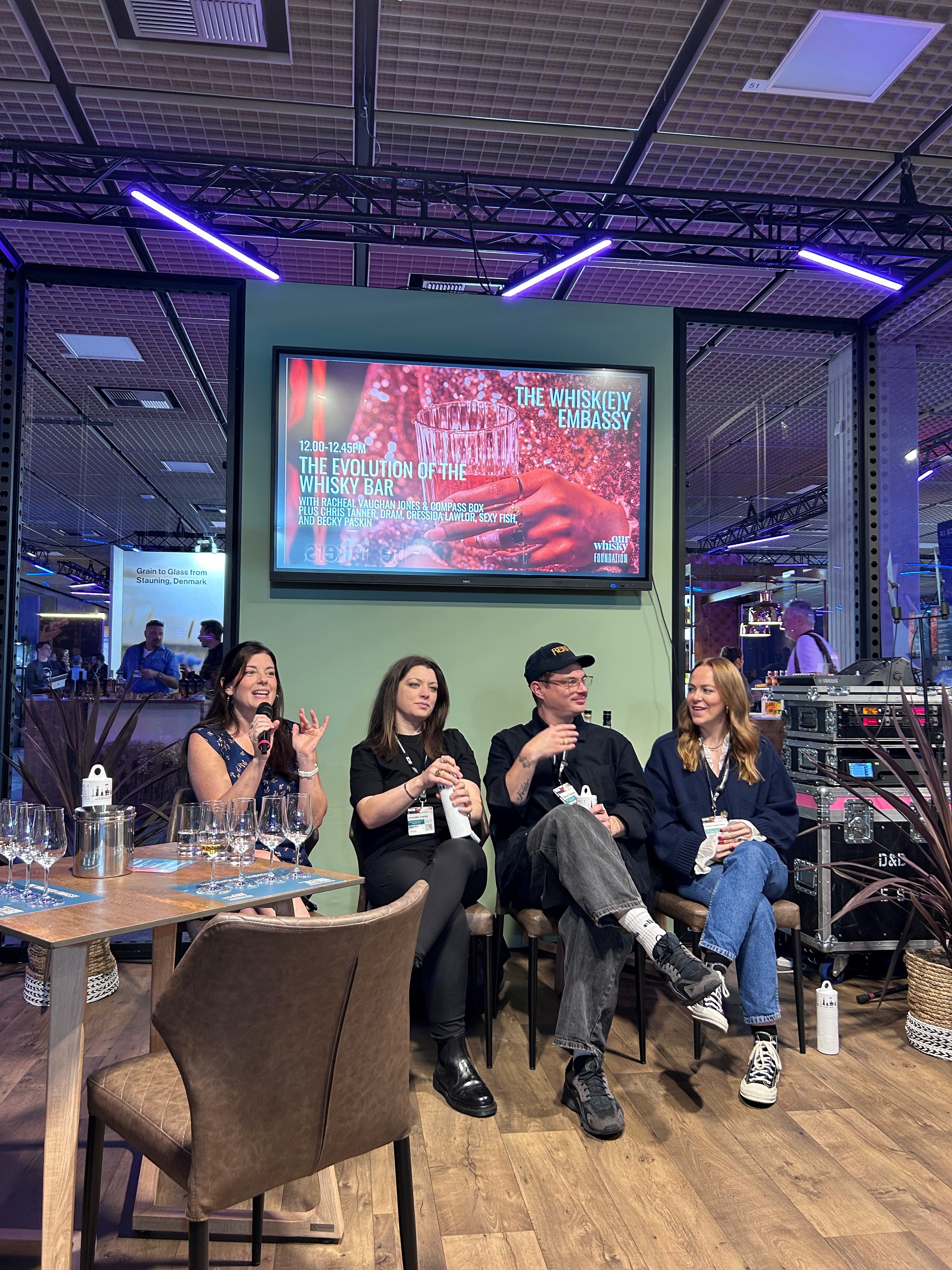

The Whisky Embassy was one of the hot spots at BCB 2024, the Bar Convent Berlin, where Becky Paskin was keeping a close eye, hosting several passionate discussions, ranging from the role of women in the world of whisky to the evolution of the whisky bar.
Do you even like whisky?
Becky Paskin: A Master of Ceremonies Who Loves Whisky
For those who don’t know her, Becky Paskin is one of the leading figures in the industry: she has been a journalist for over 15 years and has contributed to various specialized magazines. She is recognized as one of the most influential people in the sector and is also an advocate for equality and inclusion in the global whisky industry. She launched the OurWhisky foundation to raise funds with the first virtual whisky festival in the UK in 2020.
The platform then became free to make the modern whisky world inclusive, offering qualification programs, internships, a mentoring program, as well as seminars and workshops, all designed to help women successfully progress in the industry. Yet, during an evening event, while explaining her journey with a glass of whisky in hand, she was asked: “Do you even like whisky?” This small phrase was the trigger for her to put all her efforts into democratizing whisky and including women in its representation; notably by organizing an inclusive photo shoot.
Media Exposure: Key to Changing Perception
Subliminally, the lack of diverse representation in the media sends the message that “you don’t belong here,” and Becky Paskin ensures that everyone finds their place and dusts off the gendered image of whisky. Becky is delighted with Beyoncé’s entry into the business, believing that SirDavis has the potential to provoke a major cultural shift in our perception of whisky enthusiasts and bring in new consumers, fans of the artist.
Women have not waited for their image and others’ perceptions to evolve; they work and are an integral part of the industry. Some have even been noticed for their talent, such as Stephanie Macleod, Master Blender at Bacardi and the first woman to be named Master Blender from 2019 to 2024. It’s hard to believe she benefited from positive discrimination six times in a row.
Reinventing Whisky: Exploring Innovations in Production
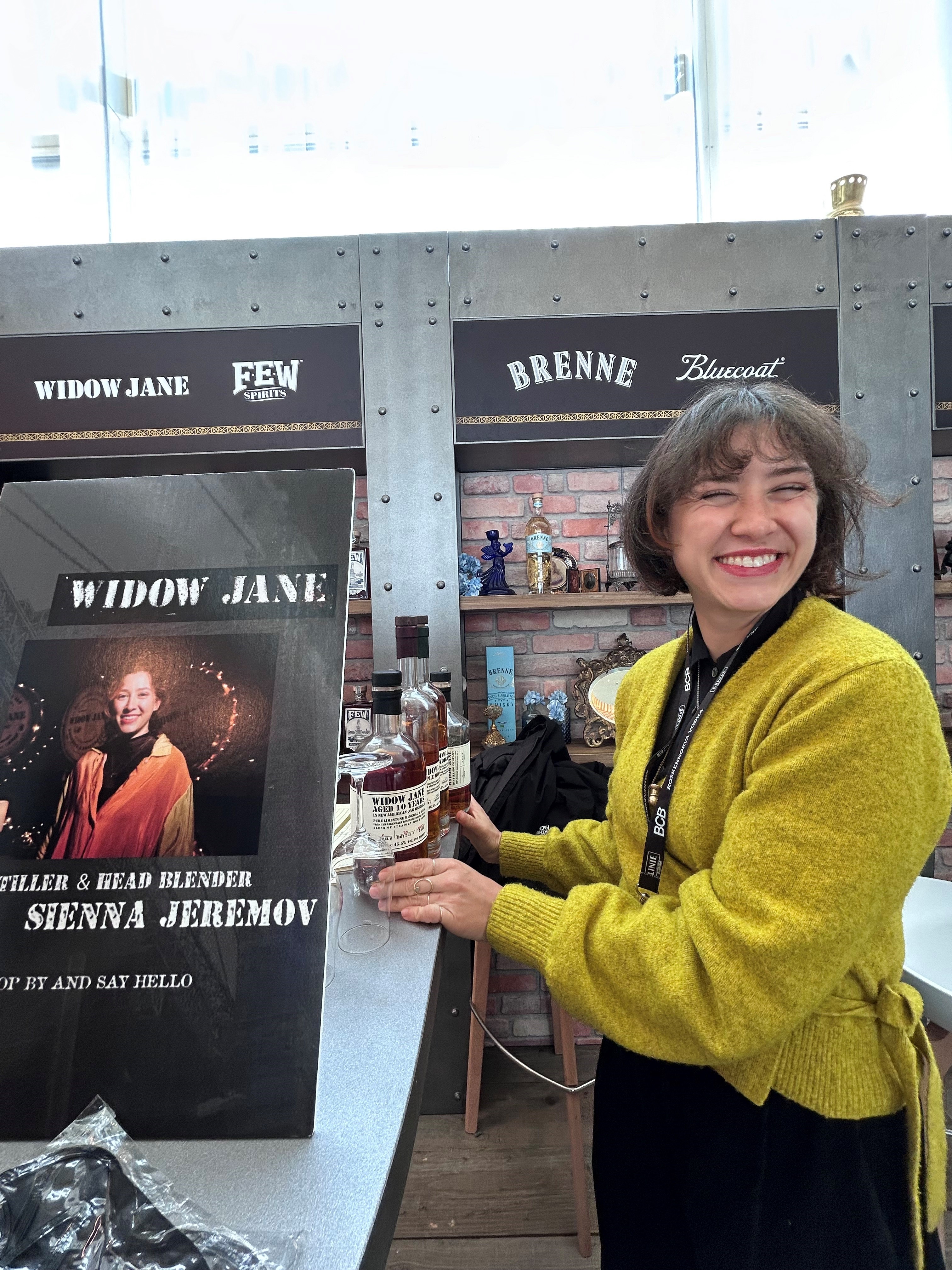
More recently, and in a more confidential manner, a distillery with an artisanal approach led by an almost entirely female team, notably the brilliant Sienna Jevremov, the new Head Distiller and Blender at Widow Jane, has caught our attention. She took over from Lisa Wicker in 2022 and does not hesitate to move from distillation to blending while experimenting with barrels other than oak, such as for Widow Jane Decadence Bourbon, which is finished in barrels that previously held artisanal maple syrup (!).
Sienna is leading new projects like The Vaults 2023 and 2024 (the 2024 edition being aged in Amburana barrels, which are normally used for cachaça) that are truly worth a visit (our favourite at BCB, editor’s note). A very meticulous, precise, and artisanal process, with unique ingredients like Baby Jane Corn, which is unique to the distillery: the water used comes from the Widow Jane mine, known for its high mineral content, contributing to the complexity and purity of the whiskies.
Another Talented Profile Met at BCB
Kyra Elton, Brand Ambassador at Samson & Surrey, organized a tasting of several of her whiskies for us, including the intriguing FEW Immortal Rye from FEW Spirits, located in Evanston, Illinois. Based on FEW Straight Rye cask strength, the whiskey is then reduced with cold-extracted Oolong tea “8 Immortals,” giving it a complex and delicate finish. These innovations are the result of extensive research by very talented professionals (both men and women) passionate about whisky. They know how to rely on tradition and diverge from it to create surprises, and we thank them for that!
The Evolution of the Whisky Bar
Let’s also talk about John Glaser, the founder of Compass Box, who has long fought to change the perception of blends versus single malts. He has restored the prestige of blending, often considered an industrial process, by presenting it as a refined and respected art. The brand is now appreciated by bartenders, including Chris Tanner (Dram London) and Cressida Lawlor (Sexy Fish), who recreated several cocktails at BCB – which you can also find in their respective bars. They dare to mix very good whiskies and are among those who have the power to change the public’s perception of spirits.
In the bar world, there are a few ‘tricks’ to attract whisky enthusiasts, the holy grail being a unique bottling made for a particular bar by a prestigious brand (preferably) that can only be consumed on-site (collectors are on the prowl…). Sexy Fish has made this a dedicated offering. Once the guest arrives to sip their favourite whisky, the bartender can take the time to chat with them and evolve their tastes through the discovery of new products. One does not become a great whisky connoisseur overnight; it is a learning process, and the palate evolves with time and tastings.
“Tradition is not the worship of ashes, but the preservation of fire.” — Gustav Mahler
Ultimately, everything is a matter of perception and open-mindedness, as Becky Paskin so aptly puts it. We find excellent traditional whiskies on the market, but also some innovative gems, and enthusiasts are not complaining.
Whether you drink your whisky neat, on the rocks, with a splash of water, in a highball, or in a cocktail, whether it’s a single malt, a blended malt, a bourbon, a whiskey, a rye, a single pot still, whether it comes from Scotland, Ireland, the United States, Canada, Japan, India, Australia, France, whether it is produced, distilled, imported, or distributed by men and women, the important thing is to have a good time without judgment, simply.
This article first appeared on Alambic Magazine.
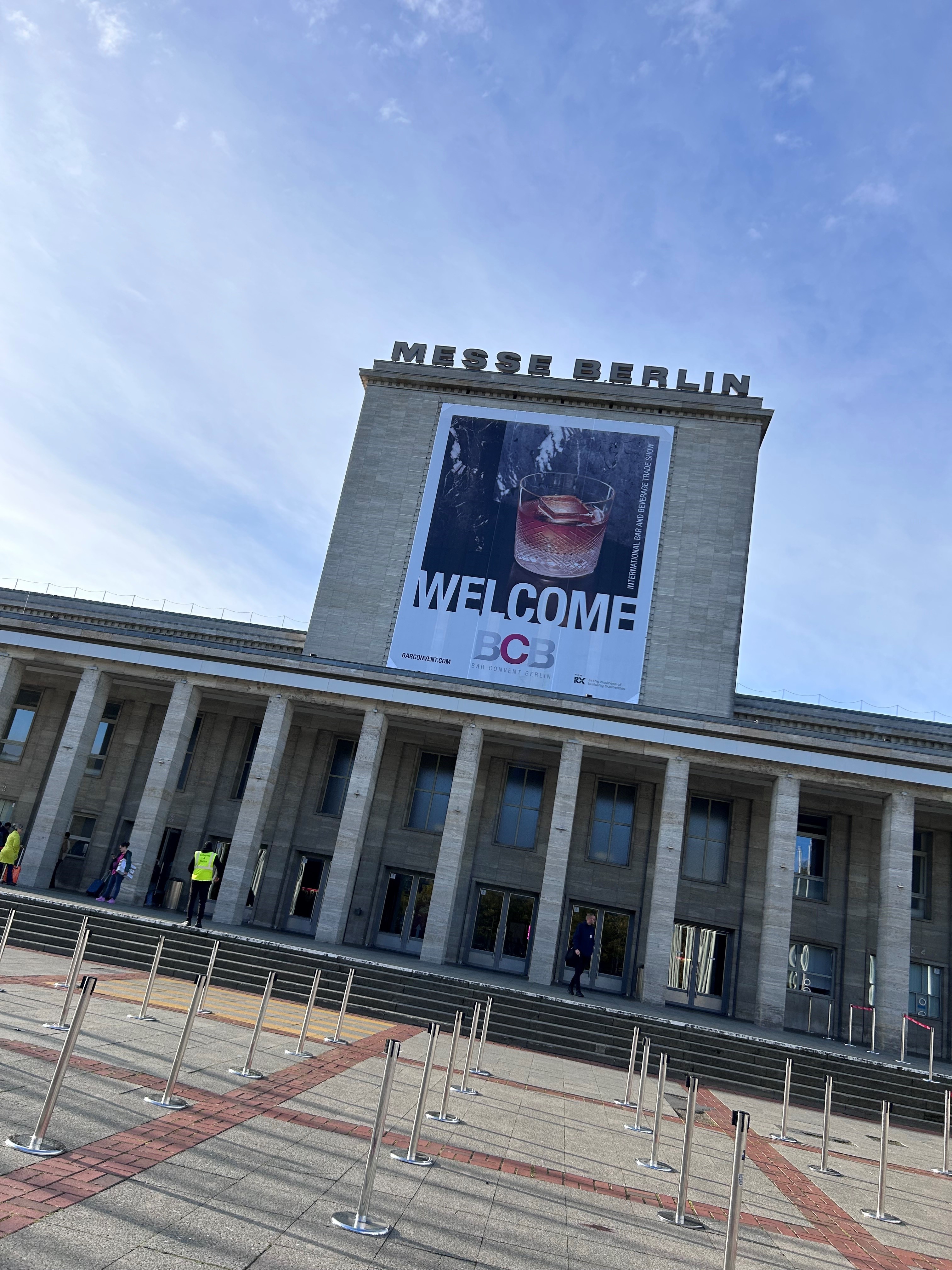
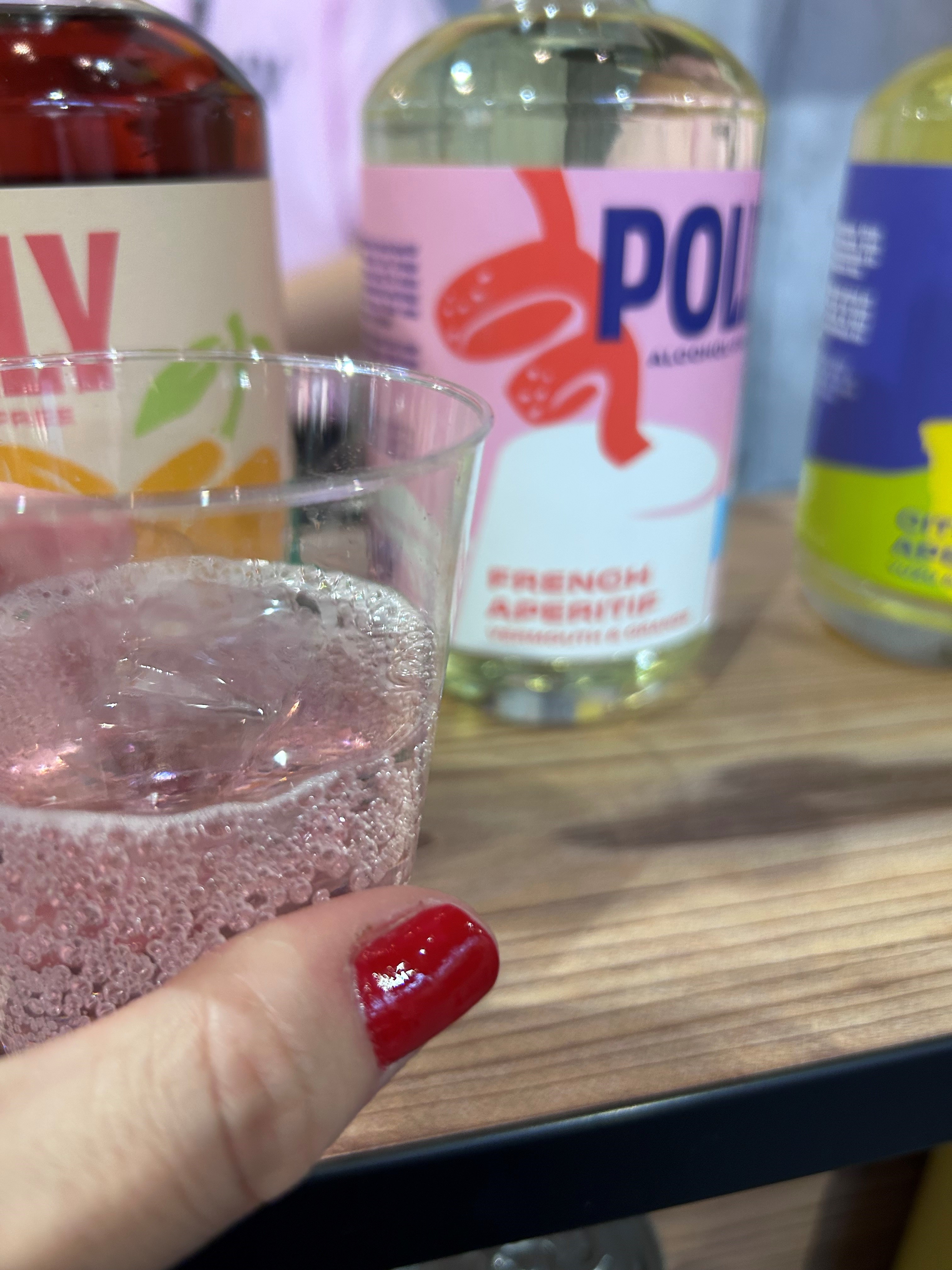
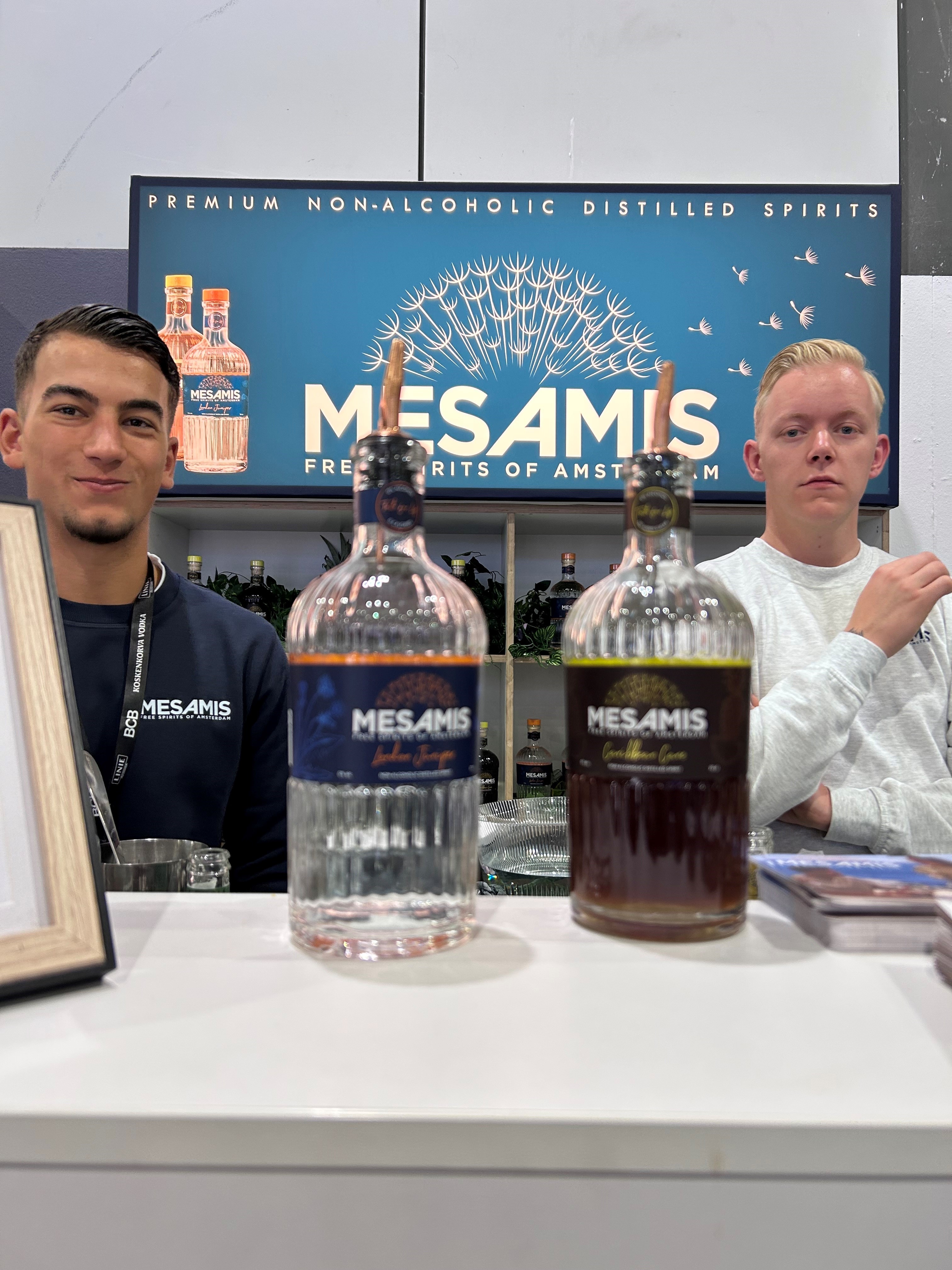
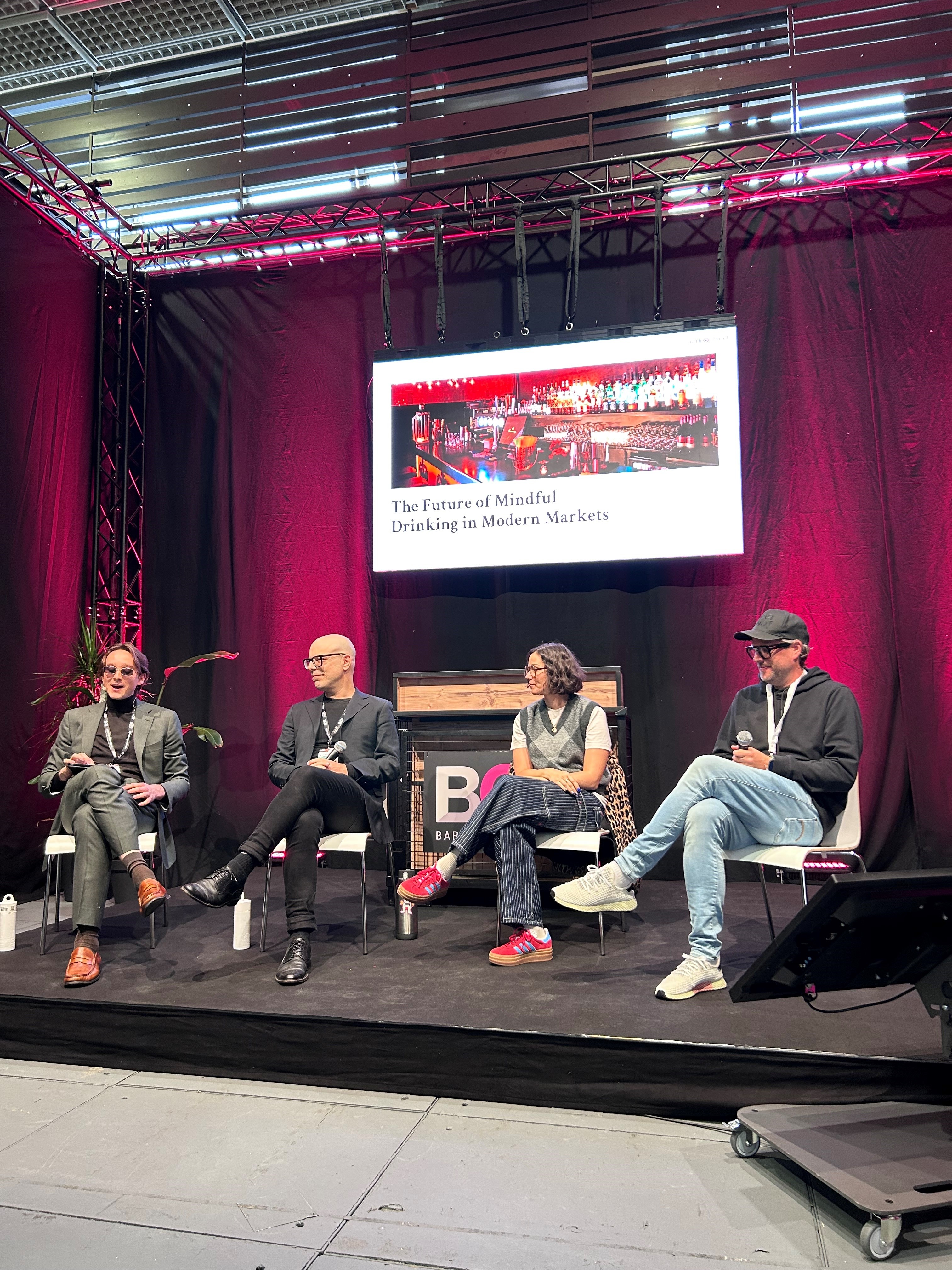
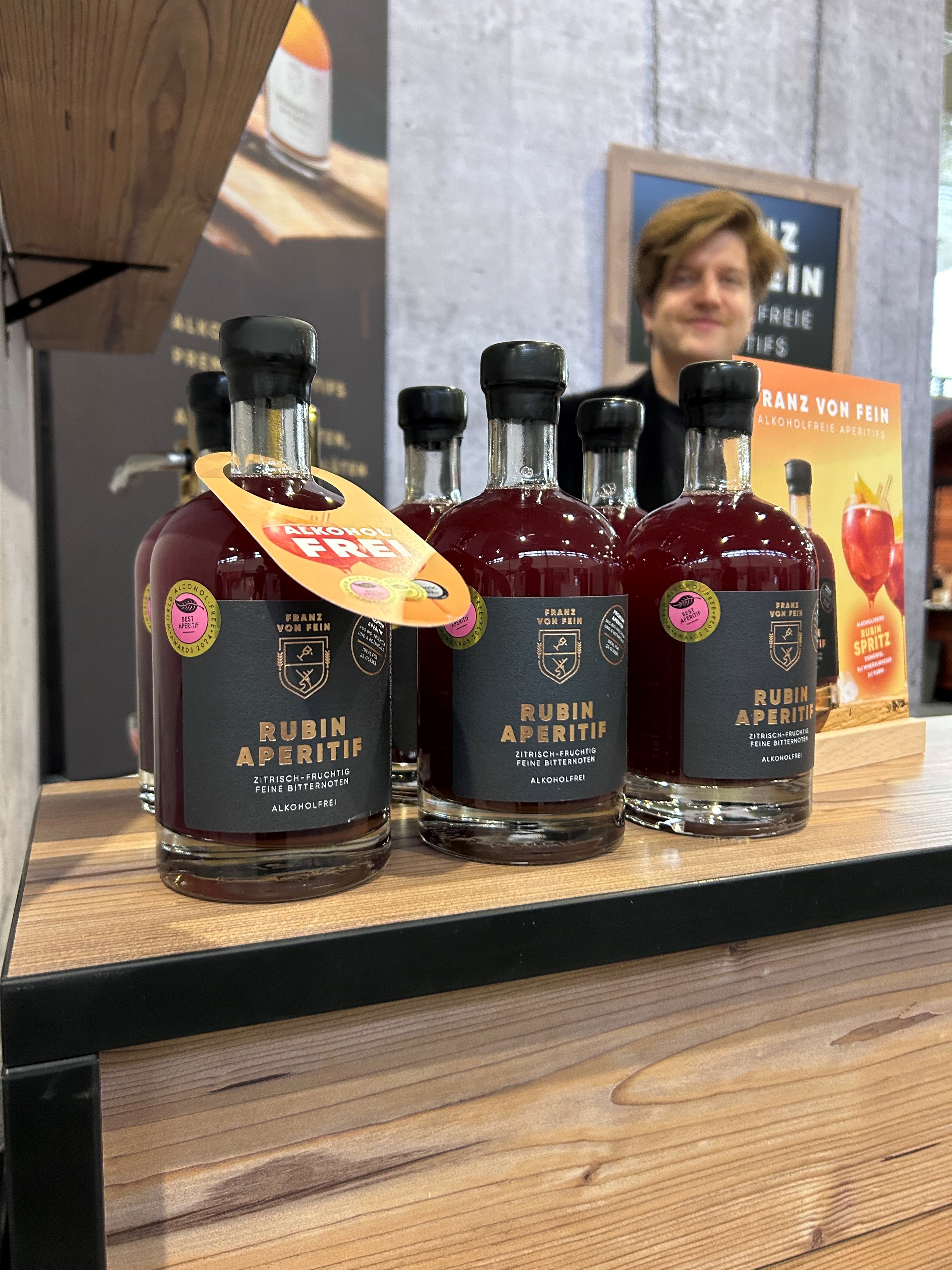
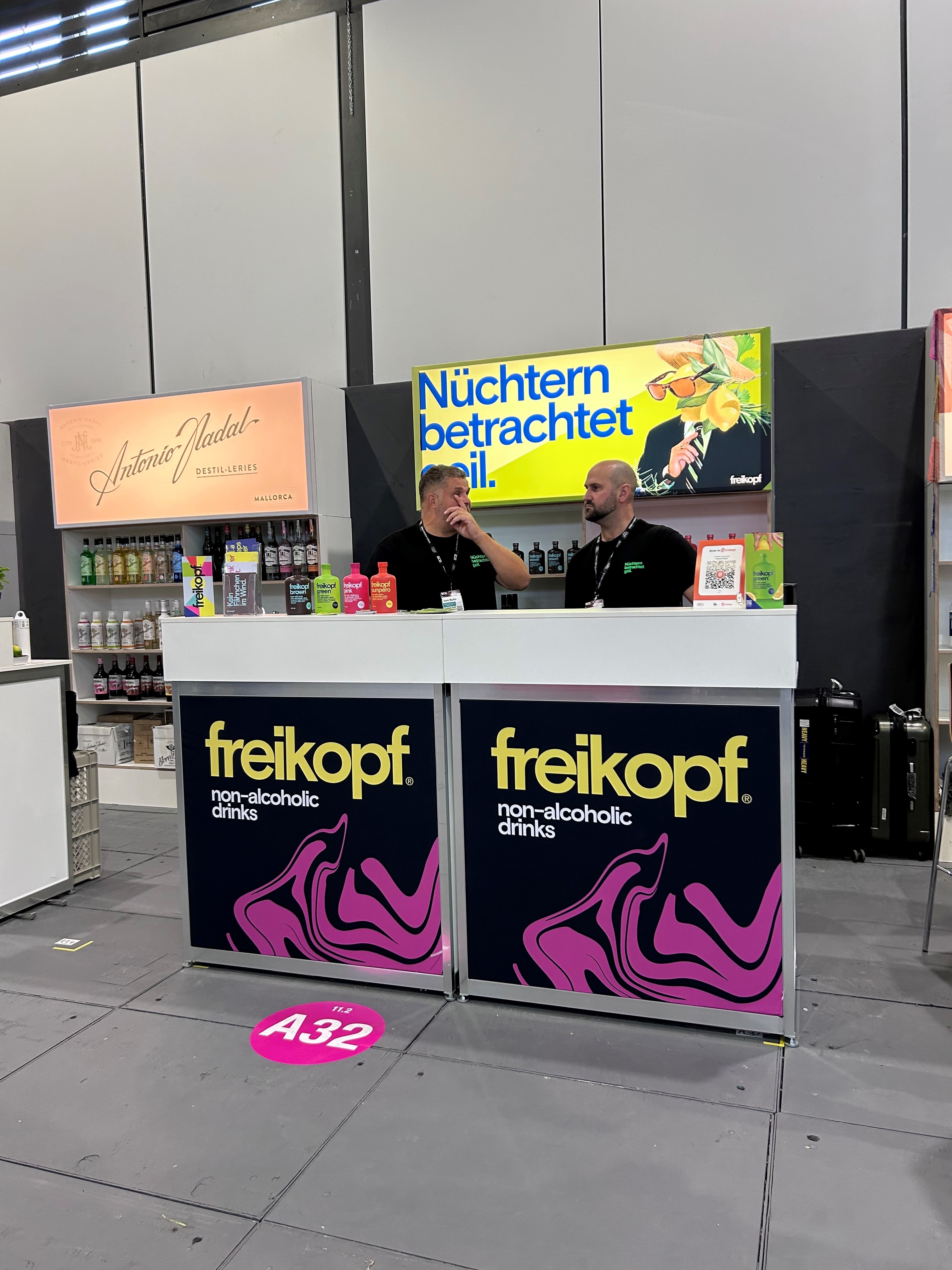
The themes discussed this year at Bar Convent Berlin were varied, but one topic particularly caught the attention: No and Low, or ‘no alc’ as English speakers call it.
The trend of non-alcoholic or low-alcohol beverages is indeed emerging as one of the most significant in the industry. This market is booming, with many traditional brands launching lighter or non-alcoholic versions of their iconic products.
A captivating masterclass brought together experts to explore this trend. Among them were Spiros Malandrakis, Head of Alcoholic Drinks Research at Euromonitor, Raphael Vollmar, CEO and co-founder of Rheinland Distillers, and Camille Vidal, founder of La Maison Wellness.
Here are the key points to remember:
- Decline in Alcohol Consumption: From Baby Boomers to Generation X and Millennials, there has been a noticeable decline in the consumption of alcoholic beverages.
- Health-Conscious Generation Z: Generation Z is particularly inclined towards adopting healthier lifestyles, marking a significant shift from the consumption habits of previous generations.
- Industry Adaptation: With these new expectations, current and future consumers demand suitable alternatives, pushing the industry to evolve to meet this reality.
Is there anything else you would like to know or discuss?
The Perception of No & Low Alcohol Beverages Among Consumers
In the hospitality sector, some trends are born from the work of bartenders, while others are driven by consumer expectations – the trend towards moderation seems primarily guided by the latter. Although some bartenders choose partial or total sobriety, this orientation is not always inherent to their career in the alcohol industry. Moreover, moderation is often dictated not only by personal choice but also by constraints.
For example, when the wife of Raphael Vollmar, co-founder of Rheinland Distillers, became pregnant, she expressed the desire to continue enjoying her daily G&T, but without alcohol. This request revealed to Raphael the challenges of creating a non-alcoholic gin. The production of these beverages requires investments in research and development, while profit margins generally remain lower than those of traditional spirits. Thus, despite the rise of non-alcoholic spirits, most of these products remain high-end, a positioning that sometimes makes the price difficult to justify for consumers. Additionally, the early non-alcoholic beverages on the market were very sweet, causing initial consumer skepticism.
According to Camille Vidal, it is crucial to rebuild trust between consumers and the industry. To achieve this, bartenders must be trained in the specifics of non-alcoholic beverages to offer mocktails of comparable quality to classic cocktails. The negative perception of non-alcoholic spirits also stems from their designation, with the term “non” often associated with less attractive substitutes. One solution to change this image could be to develop entirely new flavors, rather than simple imitations of classic alcohols, whose results can sometimes disappoint. Another interesting avenue lies in exploring “functional drinks,” beverages with beneficial effects other than intoxication, while remaining healthier.
A Third Wave of Alcohol Consumption: Towards Conscious Moderation
Since the last century, our relationship with alcohol has evolved, moving from a period of excessive consumption to the era of prohibition (notably in the United States), and now to a more conscious and moderate consumption. This change aligns with current concerns for health, well-being, and the image projected on social media.
A promising approach in this context is “zebra striping,” an alternation between alcoholic and non-alcoholic beverages. This practice could become a popular model, allowing consumers to maintain a convivial atmosphere at the bar without sacrificing their health. For establishments, it offers a solution to retain their clientele without losing revenue. By offering a menu enriched with quality mocktails, bars can meet the needs of a diverse clientele, allowing a smooth transition between alcoholic and non-alcoholic drinks.
The acquisition of Seedlip by Diageo has significantly contributed to the popularization of the No and Low movement, and major brands continue to invest in its growth, although this market remains relatively niche. This evolution does not signal the end of bars but rather a necessary transformation to reach a clientele wishing to enjoy the social aspect of these places while limiting their alcohol consumption.
Bartenders play a central role in this transition, adapting their mixology skills to create attractive and flavorful non-alcoholic beverages. The recent offer of affordable non-alcoholic drinks by the discount chain Aldi, for example, is a clear sign of the sector’s expansion and the response to growing consumer expectations.
The sector is therefore undergoing a major transformation, with a more flexible and inclusive approach to consumption, paving the way for new tasting experiences in line with current values and lifestyles.
This article first appeared on Alambic Magazine.
 Cocktails in Paris
Leave a comment