
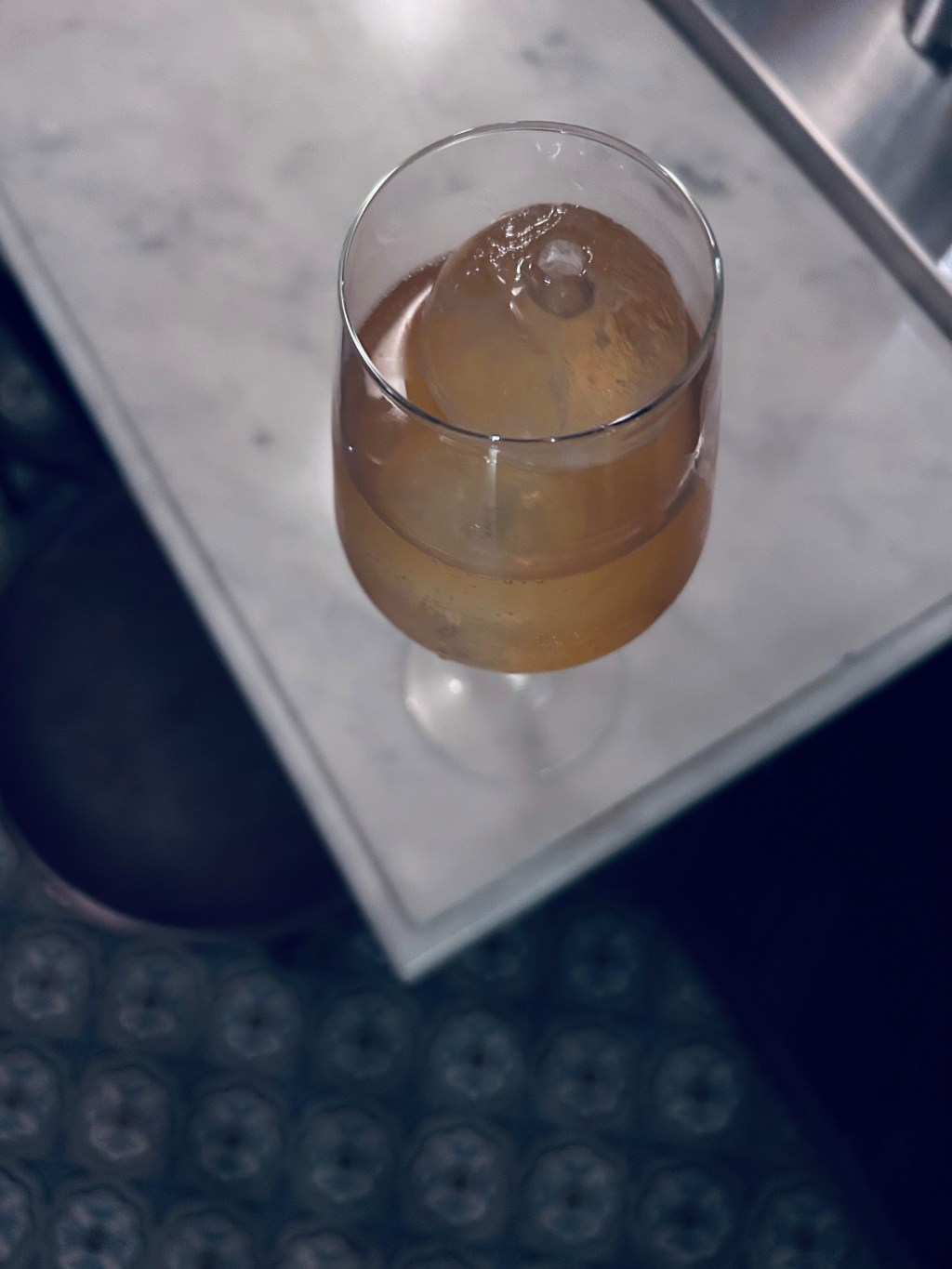
Hugo Combe opened Classique Café in 2021 and continues to build bridges between different worlds: a purebred Parisian bistro and a globally recognized cocktail bar, and also the world of wine and cocktails!
The Classique Café, located at 1 rue Lallier in Paris near Pigalle, was once a pharmacy. Today, it retains some of its old-world charm with its blue-green facade and green crosses inherited from the former pharmacy.
Inside, you’ll find a retro ambiance with period tiles, cut glass light fixtures, and dark wood cabinets and outside, a large terrasse for the warmer days.
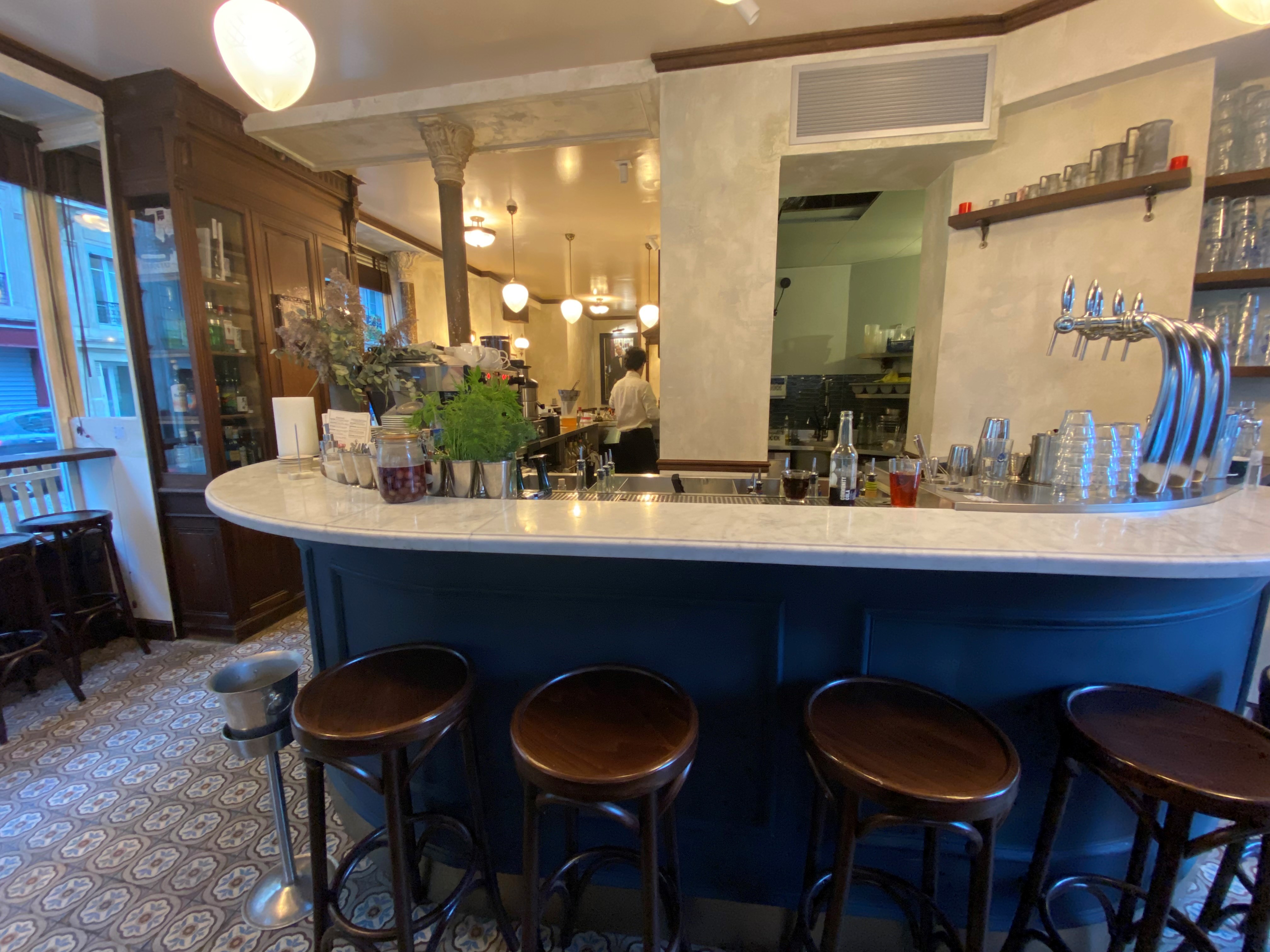
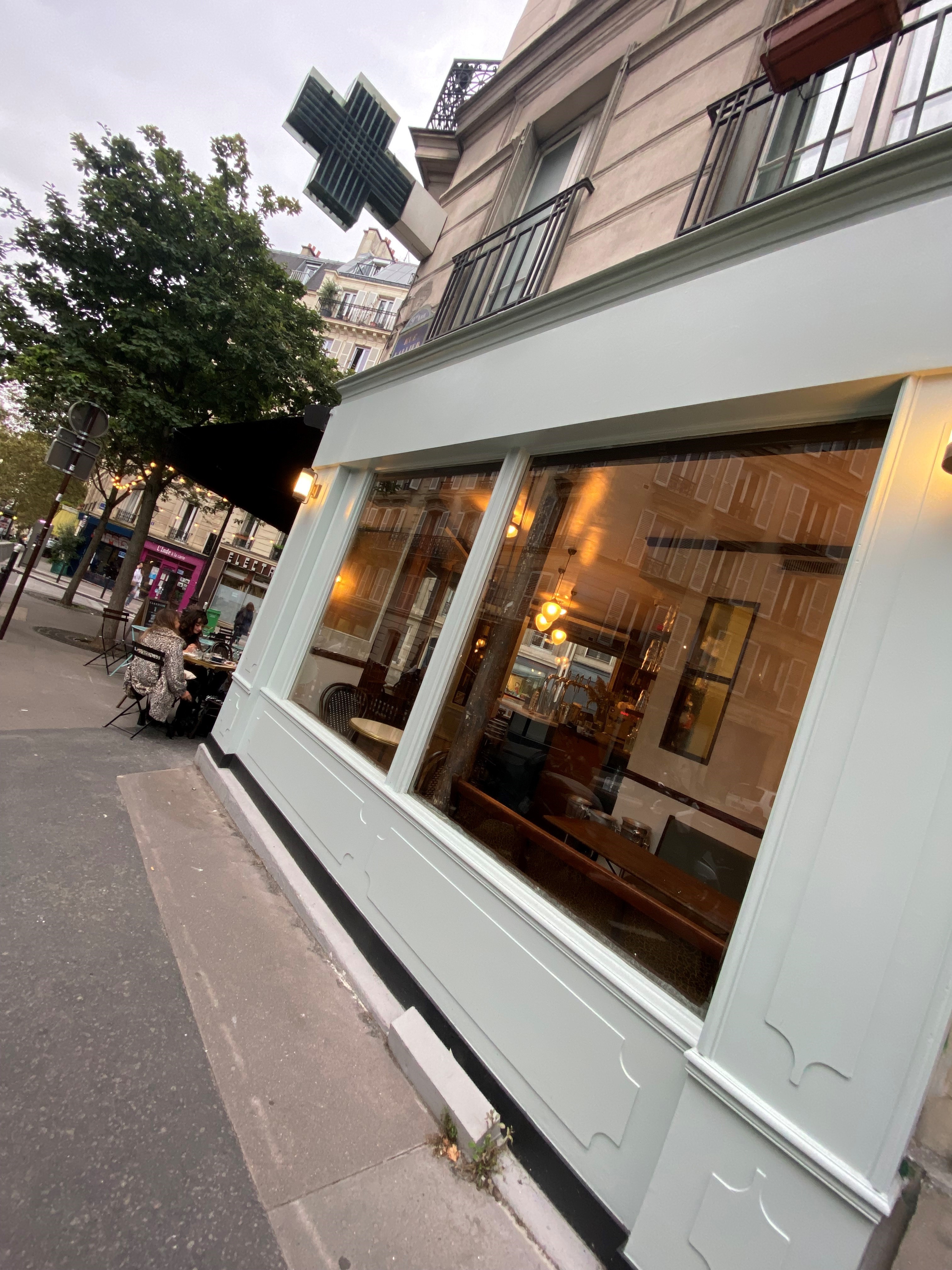

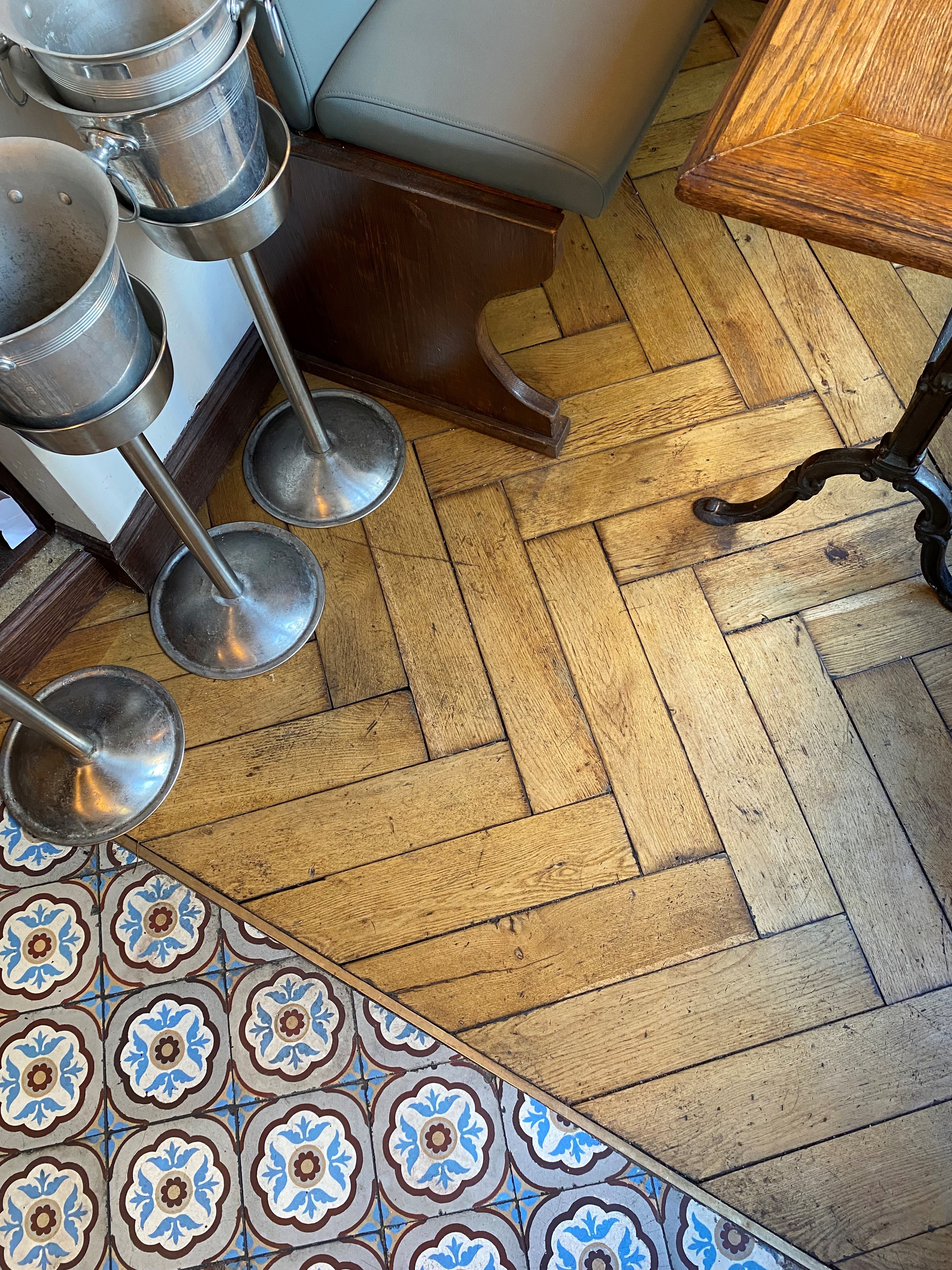
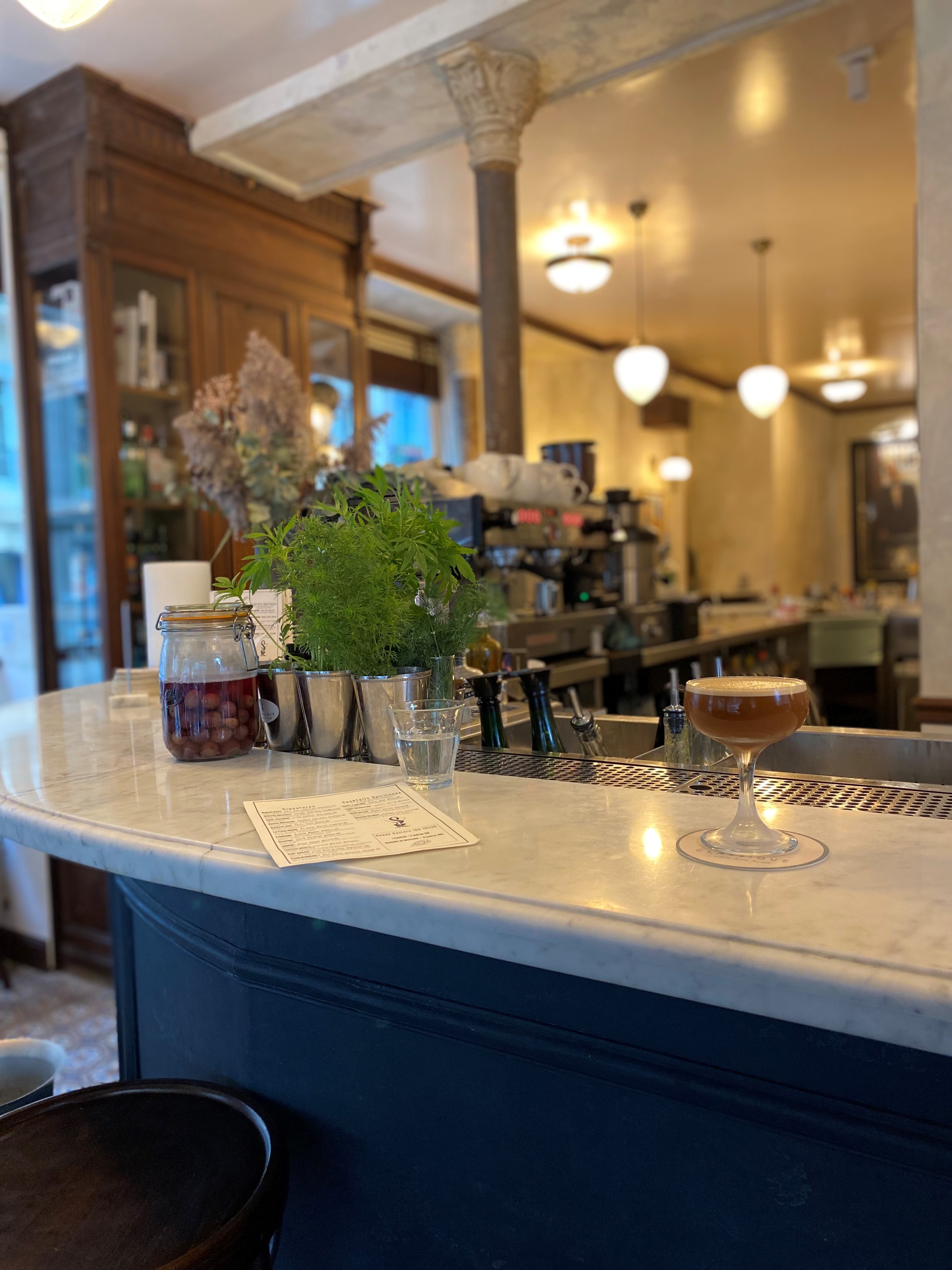


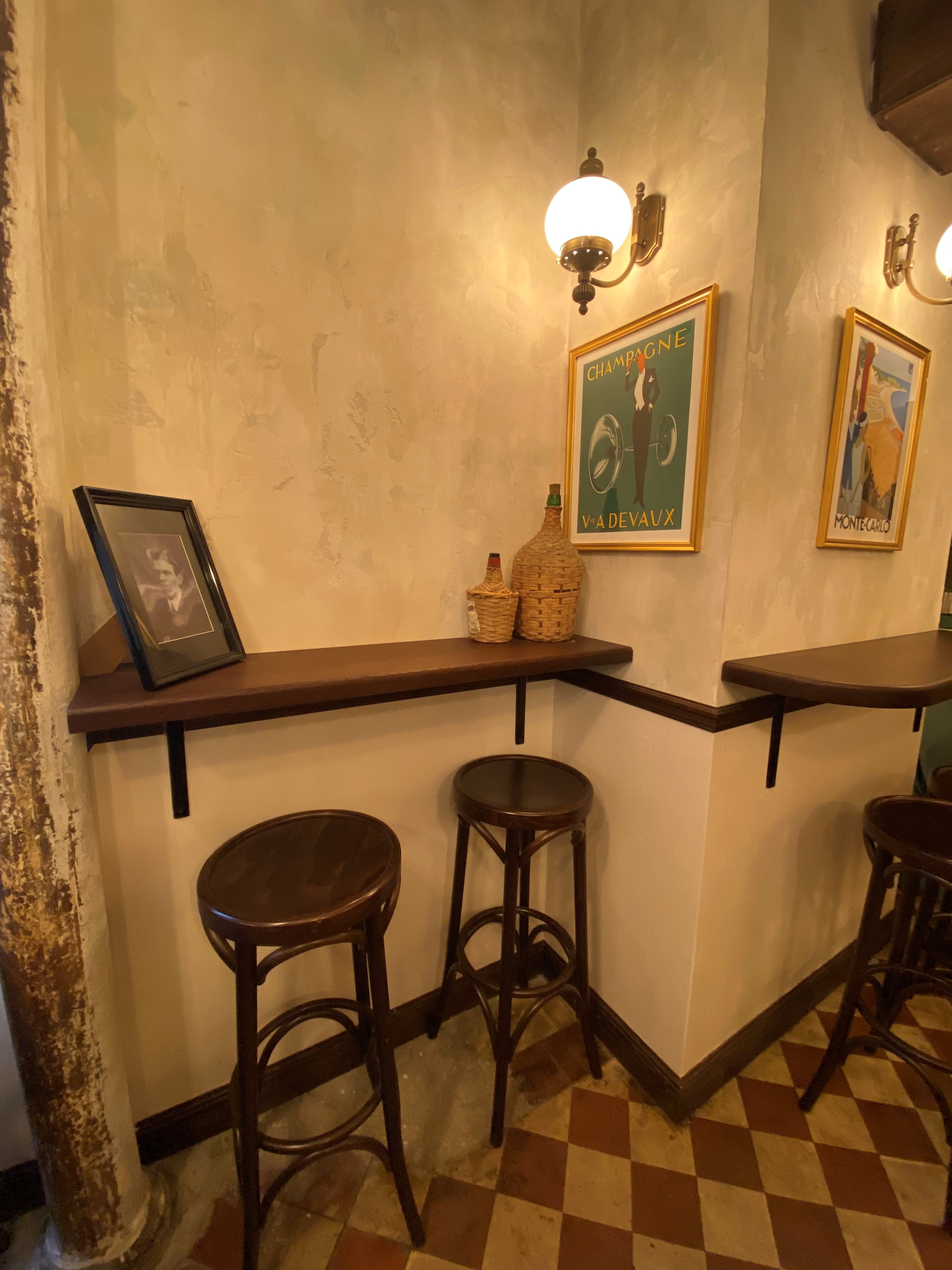
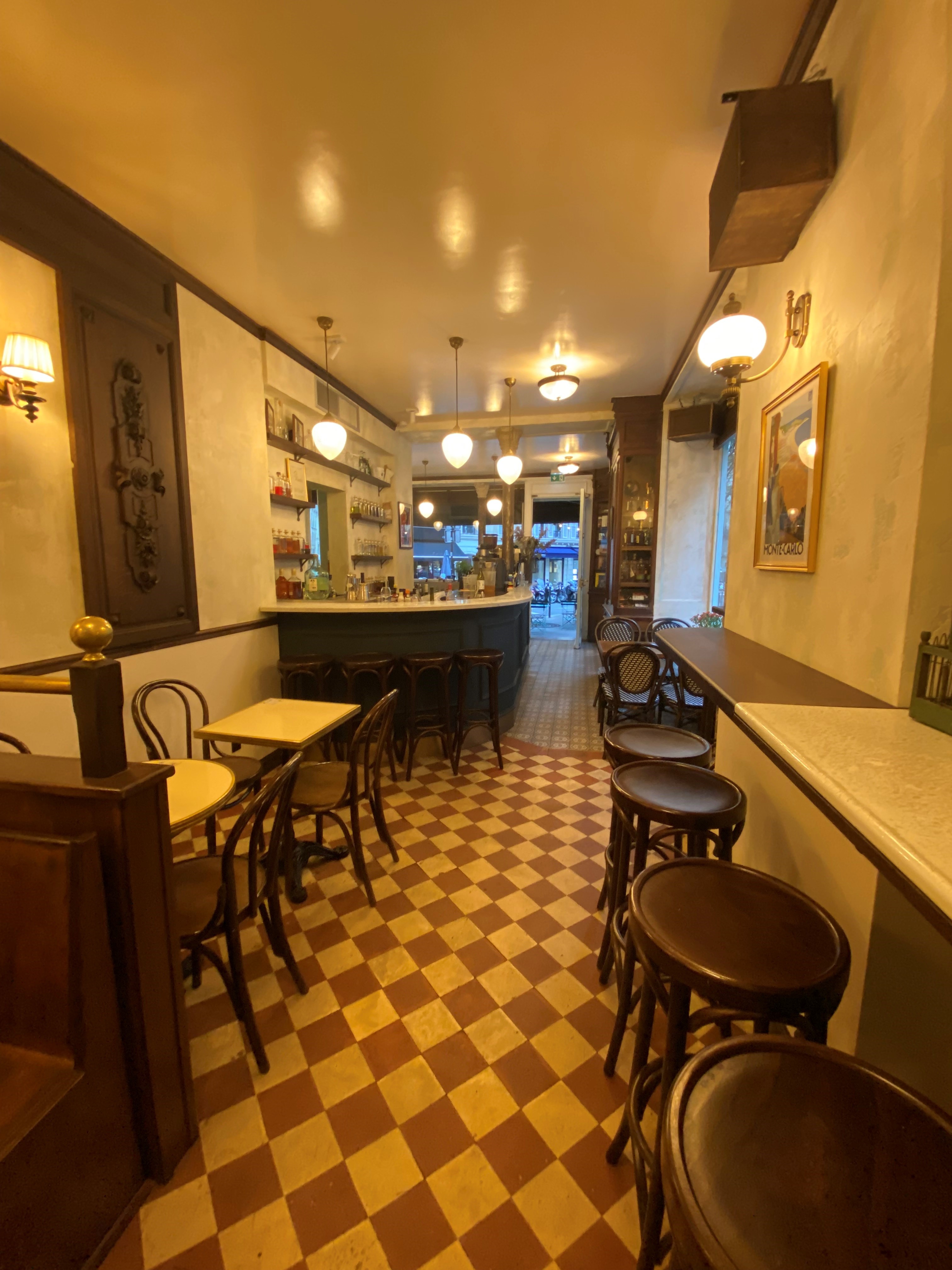

One cannot overlook the nod to the bridge between the elixirs prepared by pharmacists of yesteryear and a cocktail bar using those elixirs, staying consistent to the end.
Speaking of elixirs, it’s just a step away from the nectar of the gods, sort of, anyway they go well together and that’s what the new menu is all about!
The menu is called Cépages volume 2, and it’s using transformed natural wines as ingredients in their modern classic cocktails.
We keep hearing about terroir and sustainability in the bar world, but what better way to showcase French terroir than through natural wine… in cocktails?
Seems easy, not so much actually. Working with ‘living’ products makes it hard to use them as they come so they must be transformed for them to stay consistent.
Natural wines, orange wines, and biodynamic viticulture all share the benefits of ecological farming practices that preserve biodiversity and soil health, offering unique and authentic flavours that faithfully express the terroir, grape variety, and vintage.
These wines often attract those seeking “purer” products due to the absence of chemical additives and sulfites, which reduces the risk of allergies and intolerances.
Additionally, biodynamic methods strengthen vine resilience and improve overall wine quality. However, these wines can be variable, with differences even within the same batch, and are more sensitive to temperature variations due to minimal filtration and the absence of stabilizers. Despite the challenges and the hard work of making these wines, the holistic and environmentally respectful approach of natural and biodynamic winemaking continues to attract more and more wine drinkers.
The team has managed to create a relationship of trust with vineyards that are delighted to share with other enthusiasts and see their products live an alternative life in a cocktail bar!
How do you call a cocktail made with wine? A wocktail? Well this menu is quite fluid actually so that would make sense ^^ or maybe a winetail?
Sorry I was thinking outloud, back at it:
Embracing the challenge of the variability factor
Hugo and his team started by building a menu with classic and modern classic cocktails to avoid confusing guests. Then, they explored the vineyards of the new holistic wave to find wines that suited their desires. Faced with the instability of these wines, especially the red ones, they used techniques such as distillation, clarification, and fortification (etc.) to transform them into ingredients to use in their cocktails. This requires an in-depth knowledge of the products and transformation techniques.
What does this bring? A vinous complexity, a rich taste, and subtle nuances, totally worth it.
The menu consists of 8 low ABV cocktails, 1 non-alcoholic (with verjus, obviously), and 4 spirits forwards cocktails.
The wine used is indicated next to the name of the cocktail, and it is possible to consume it by the glass or by the bottle, allowing the final consumer to appreciate the tastes of the original ingredient and the team’s work on these cocktails.

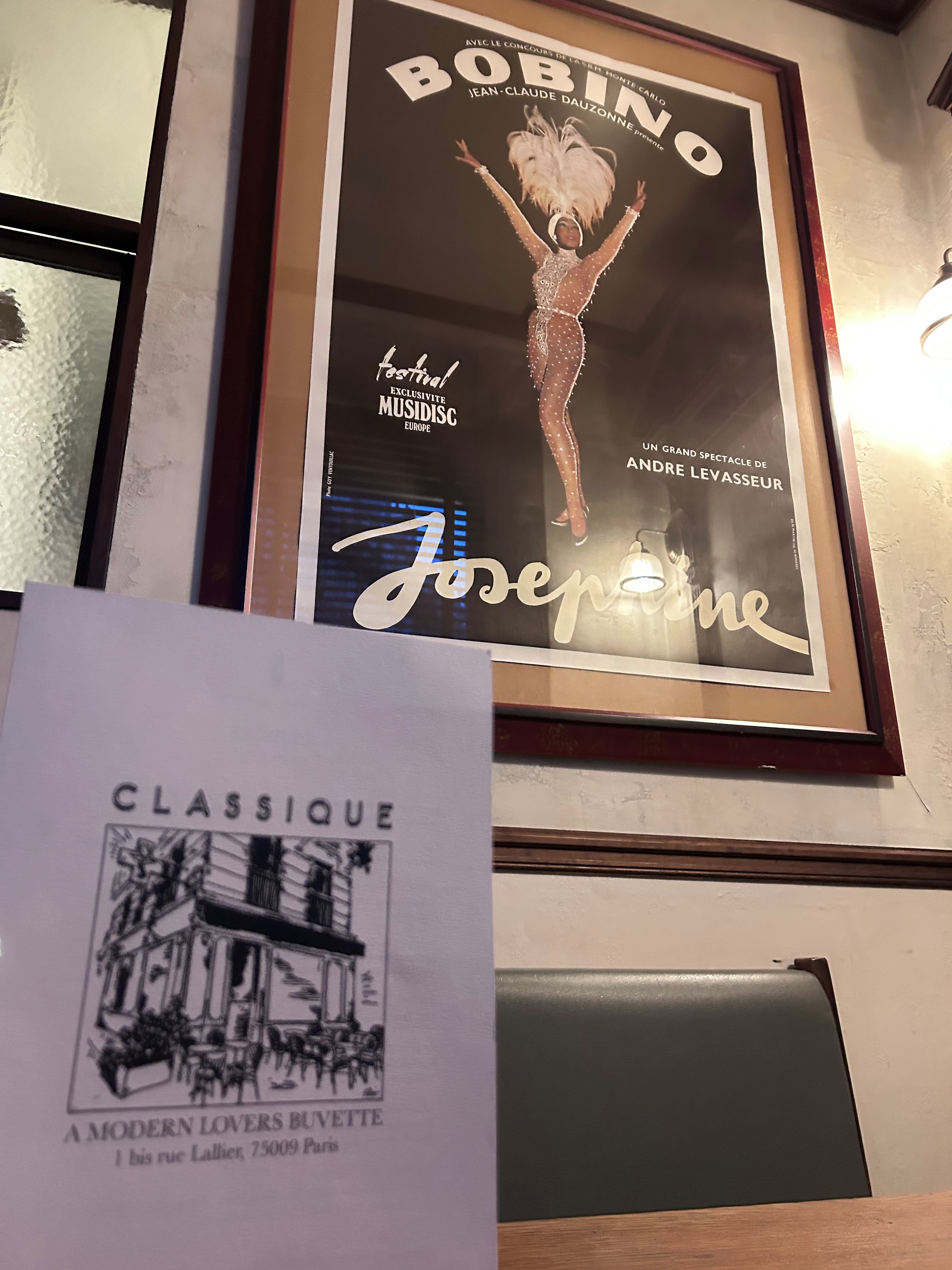
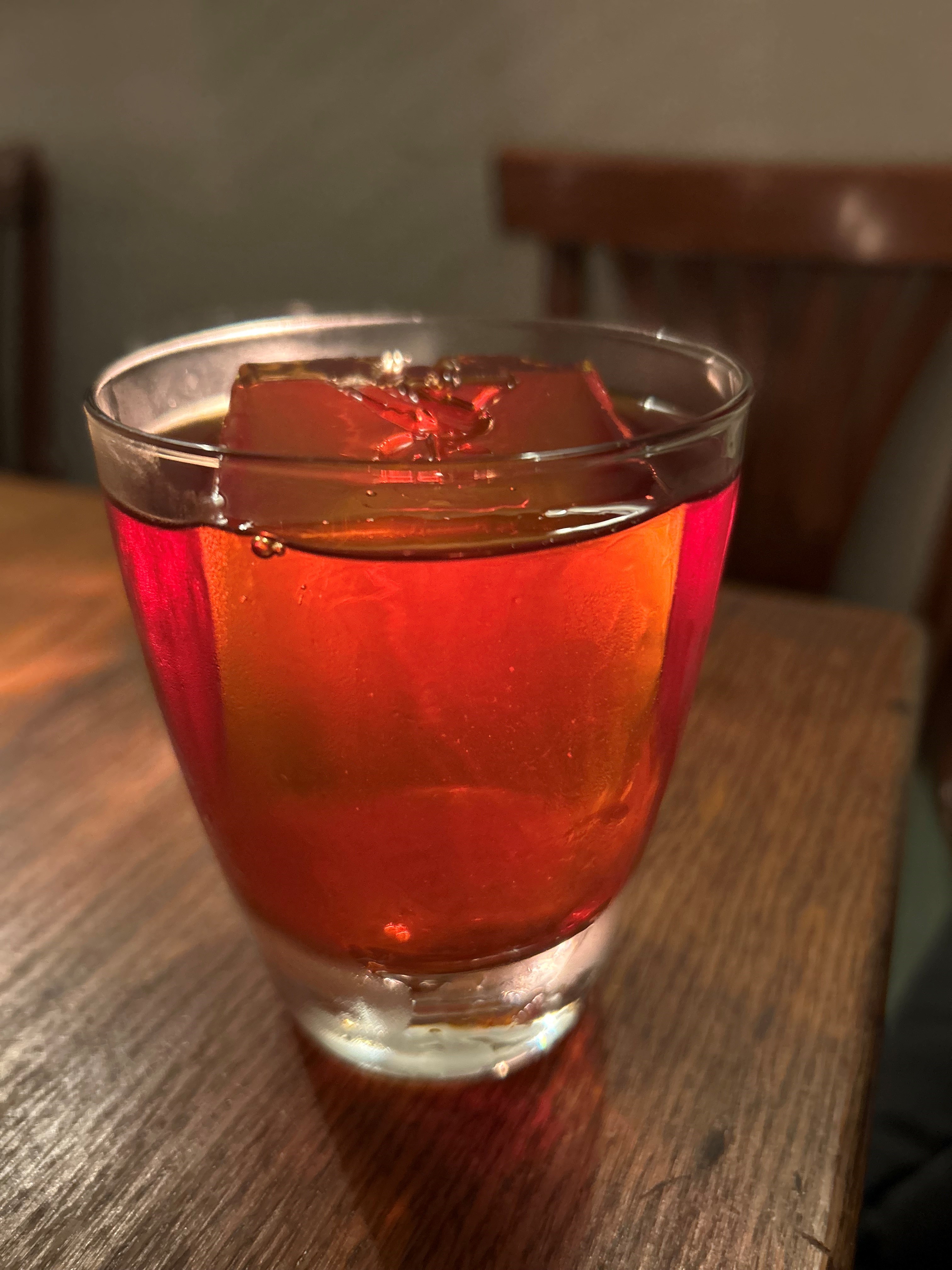

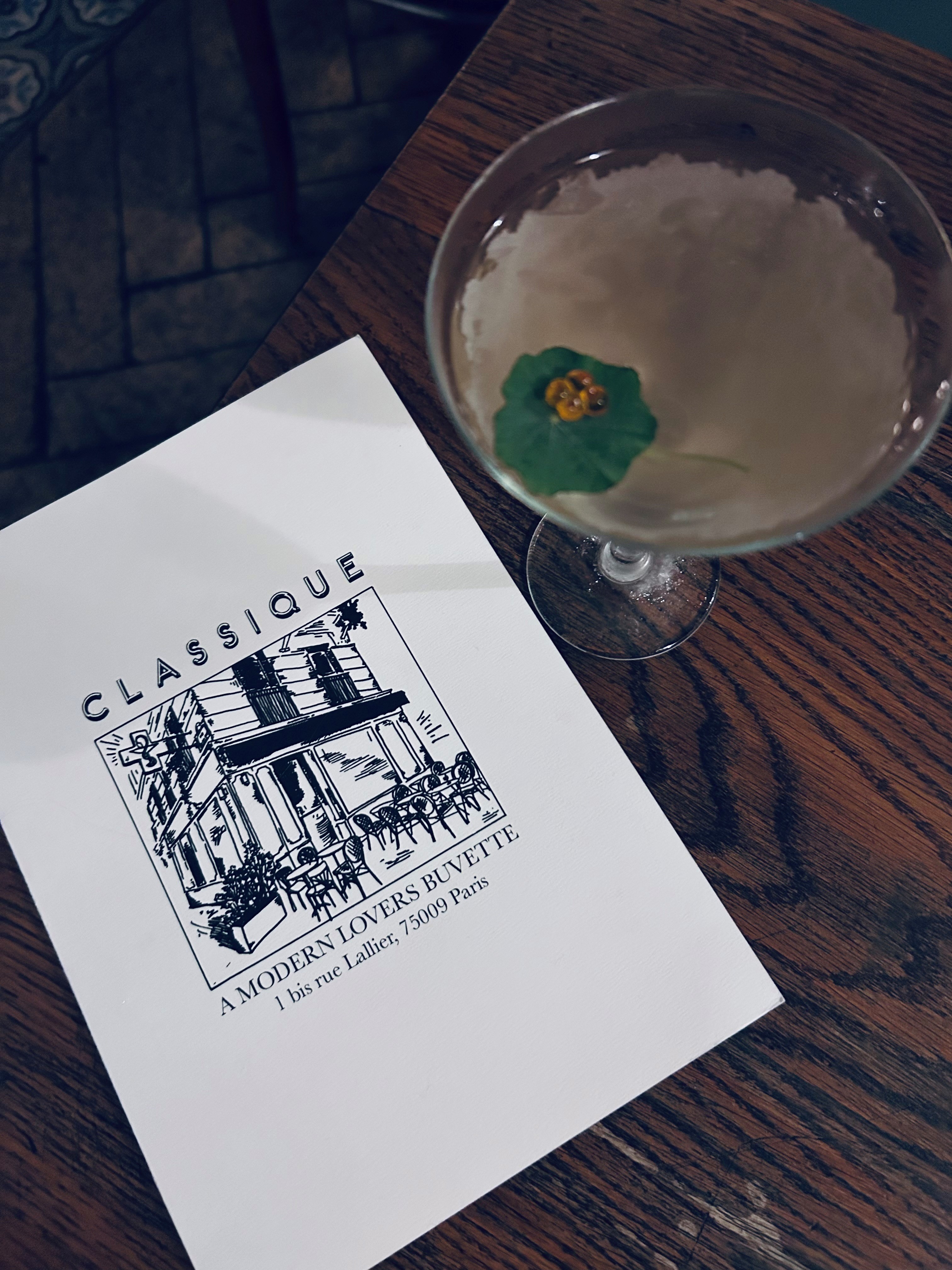
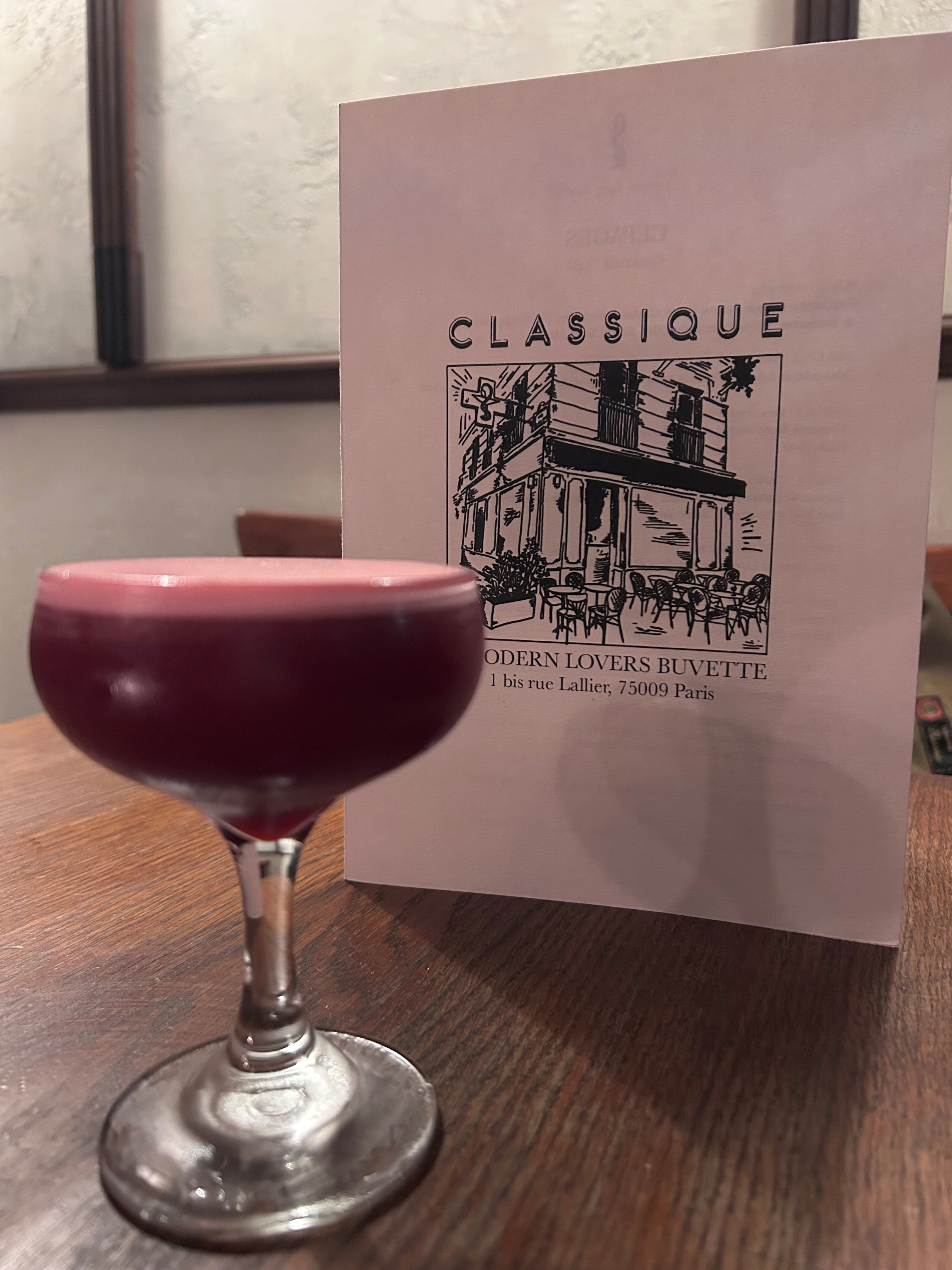
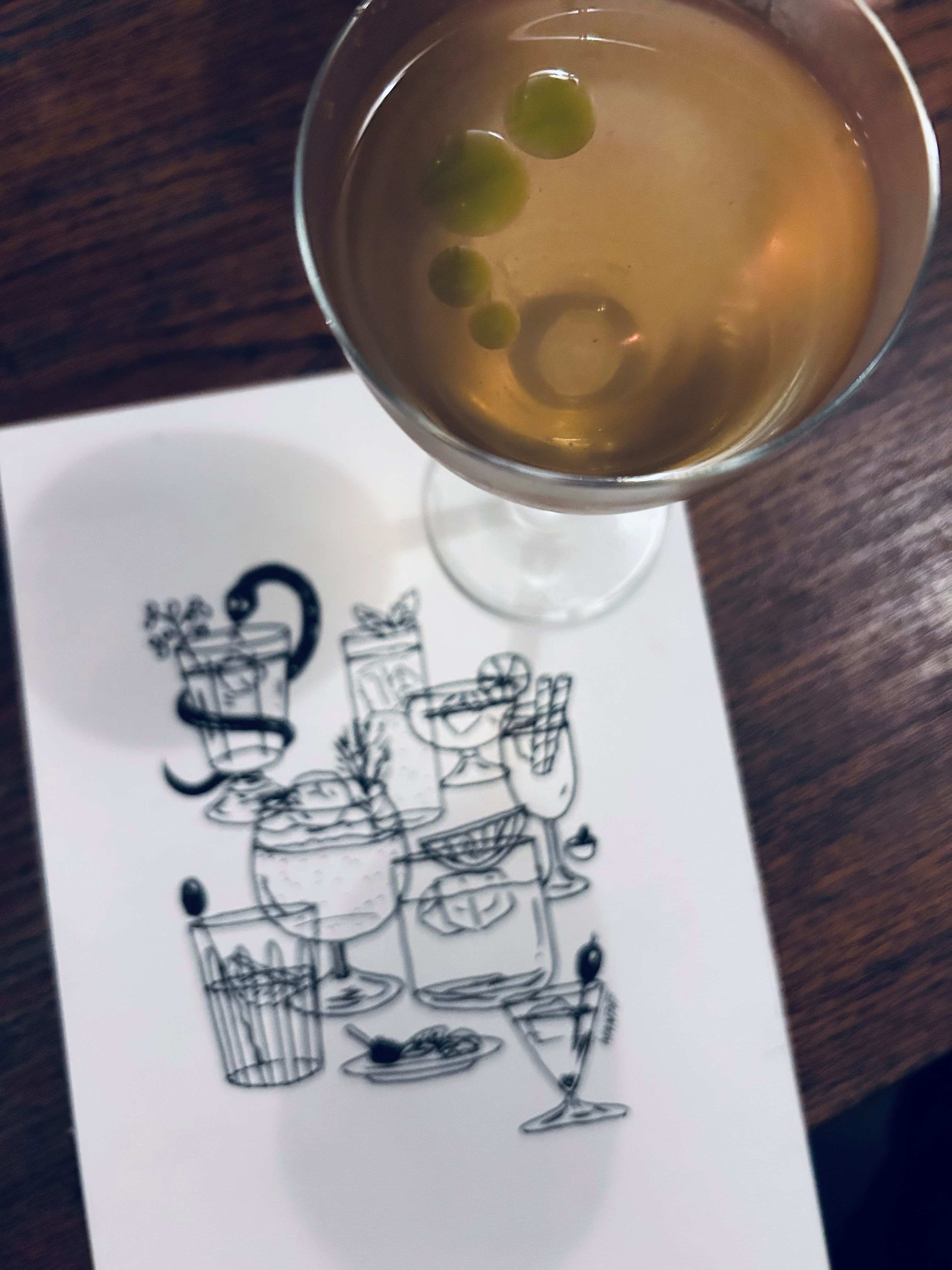
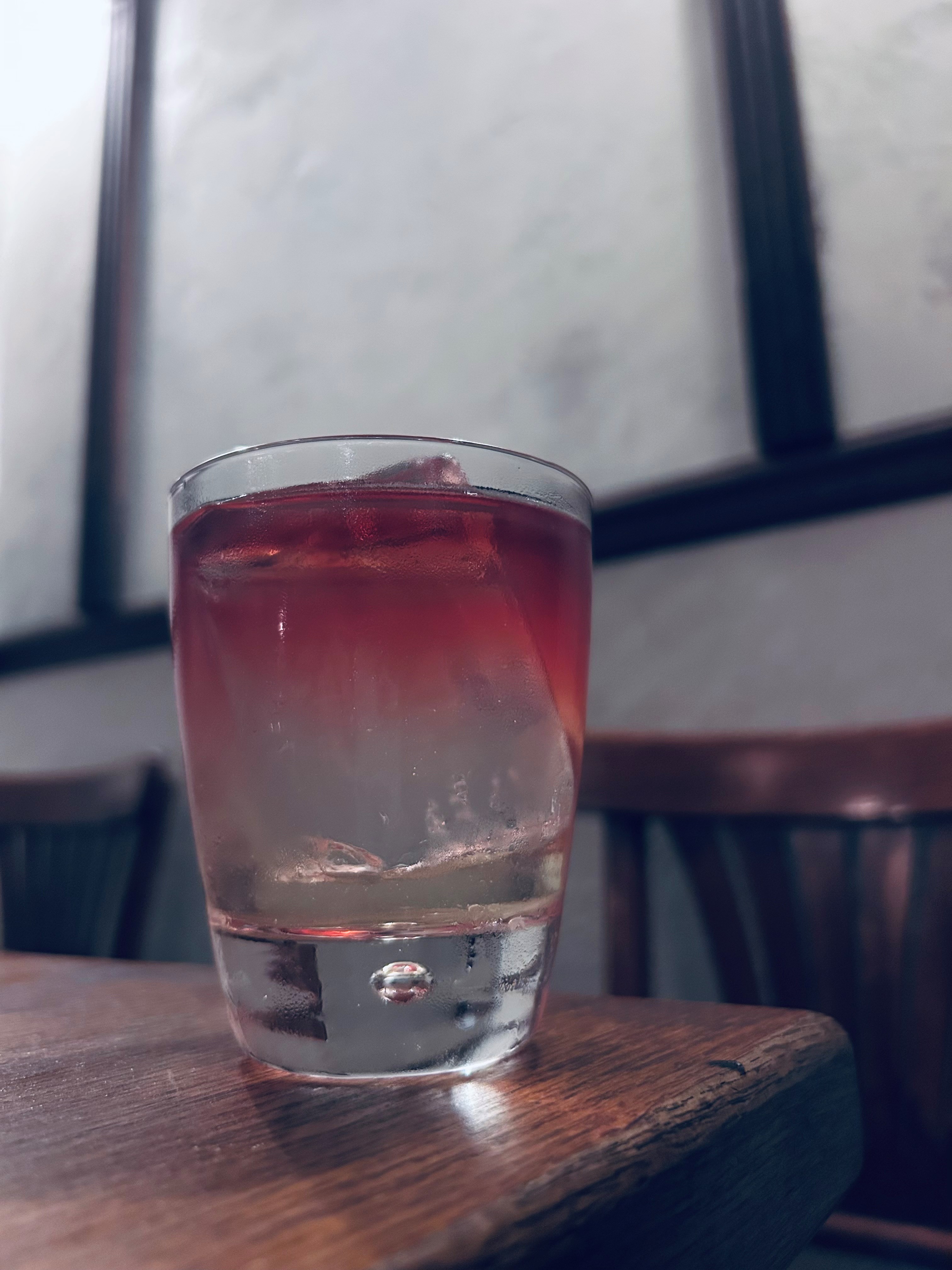
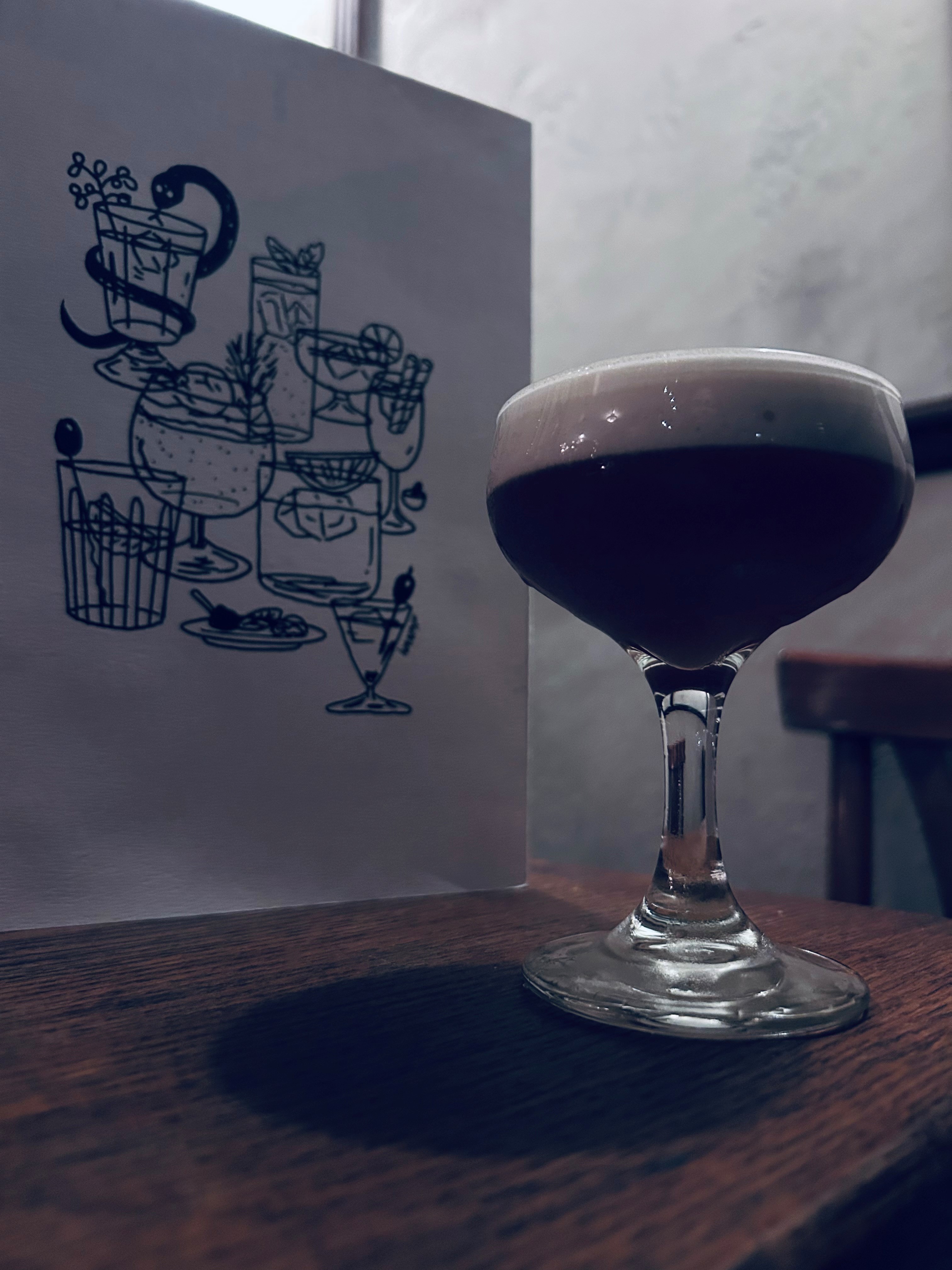

Classique | Cépages 2.0
Here are the drinks I was lucky to try, in that order:
SOUR – Grenache
Cap Mattei Grande Reserve Red, Grenache Cordial, Red Tea, Beetroot Caramel, Siren Rosso, Lime, Cocoa Bitters, Mint.
GIMLET – Gewurztraminer
White Vermouth, Sherry, Gewurztraminer Cordial, Sun-Dried Tomatoes, Agave, Green Oil.
DEVIL’S MARGARITA – Pinot Gris
Tequila, Mandarin, Elderflower, Lime, Fennel Seeds, Spicy Pinot Gris, Milk Clarified.
ESPRESSO MARTINI – Syrah
Syrah Liqueur, Palo Santo, Amaro Blend, Coffee, Toasted Barley Foam.
SPRITZ – Chenin
Chenin Fig Liqueur, Suze, Fino Sherry, Coconut Oil, Pedro Ximenez, Honey and Bergamot Soda, Shiso Bitters.
DIRTY MARTINI – Savagnin
Sake, Blend of Vermouths, Savagnin Emulsion, Umami Stuff, Pandan
KINGSTON NEGRONI – Chardonnay
Cognac, Saffron, Metaxa 7, Campari, Star Anise, Red Vermouth, Hampden 8 years, Pineapple Chardonnay Water, Jamaican Bitter
RAMOS – Carignan
Umeshu, Carignan, Sweet Potato, Chestnut Orgeat, Pineau des Charentes, Porcini Tincture, Cream
DRY MARTINI – Riesling
Eau de Vigne Merlet, Christian Drouin Gin, Genmaicha, Riesling, Nasturtium

Classique Café is open every day of the week from 6 PM to 1 AM, on Fridays from 6 PM to 2 AM, and on weekends from 9 AM to 2 AM (cocktail bar opens at 5 PM), allowing it to cater to a wide range of customers.
Classique Café is also known for its ‘Happy Oyster’ offer: €16 for 1 cocktail – or a blida* of natural champagne – and 2 oysters.
Possible to eat platters and other type of food in the evening and there is a brunch menu on weekends.
*Blida glasses, originating from the city of Blida in Algeria, are small tea glasses used for mint tea. In Champagne, they are used during tastings and harvest breaks, becoming a symbol of conviviality and tradition. Their small size allows for savouring champagne without excess, and their history reflects a unique cultural fusion between Algeria and France. Another bridge crossed by Classique Café.
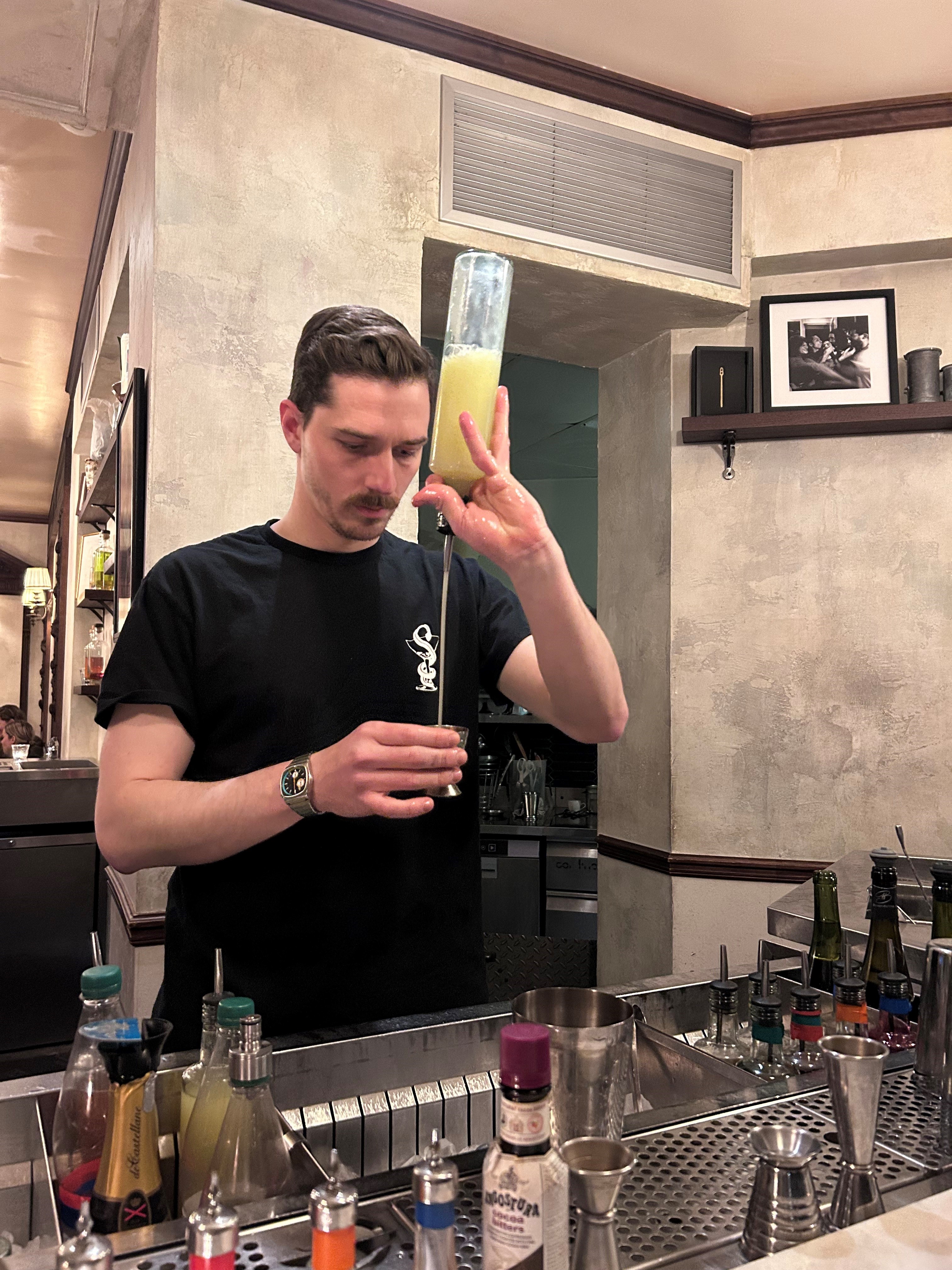

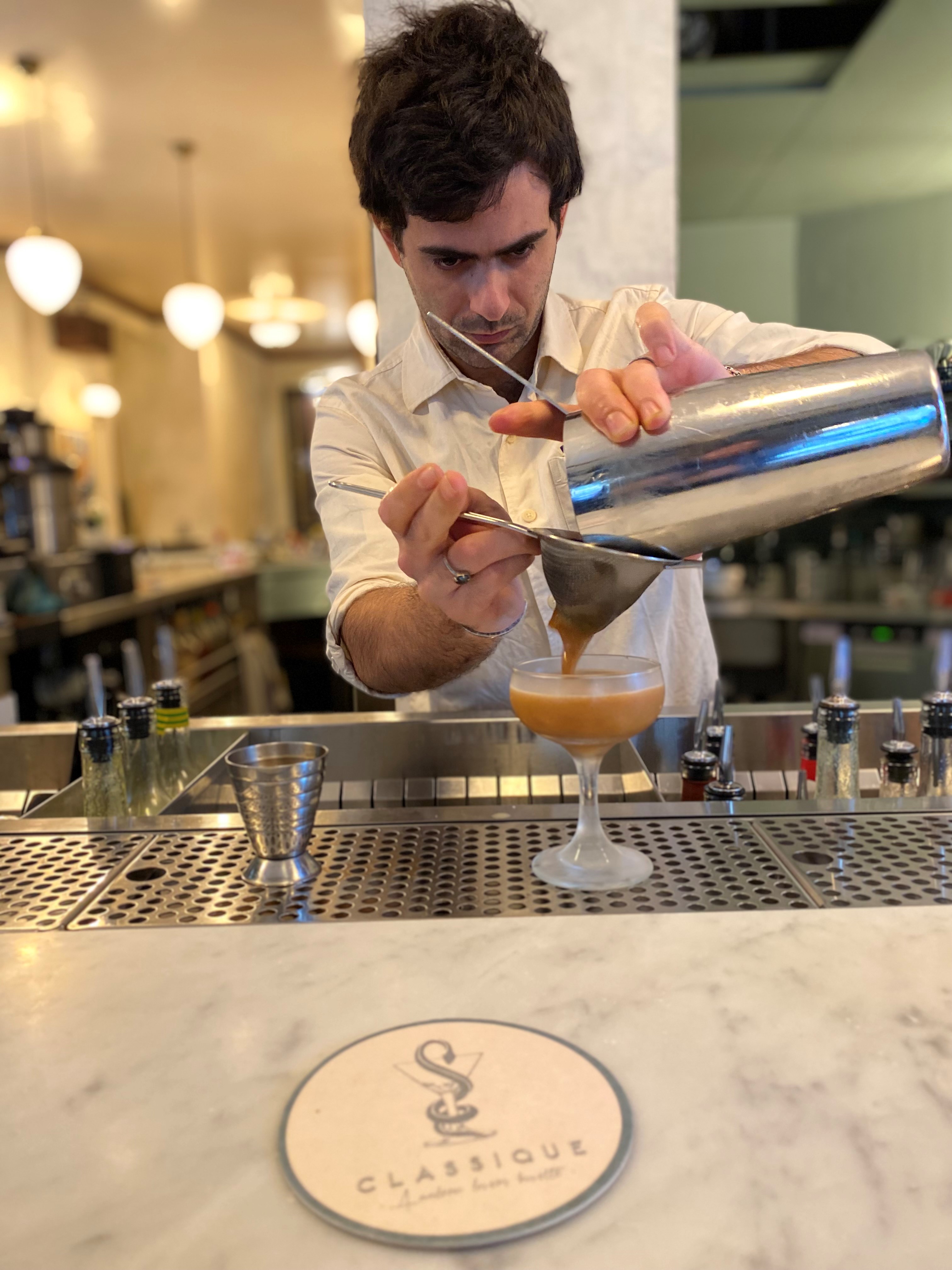

This new menu is both classic, innovative, and authentic, faithfully representing French terroir while highlighting sustainable practices. Since its opening, Classique Café has been experiencing growing success and is paving the way for a new generation of Parisian bars, combining historical charm and modernity.
We haven’t heard the last of it!
Classique Café Instagram
Hugo Combe Instagram
 Cocktails in Paris
Leave a comment