
Celebrating a 10y milestone of Himkok with a Global Gathering of Industry Leaders
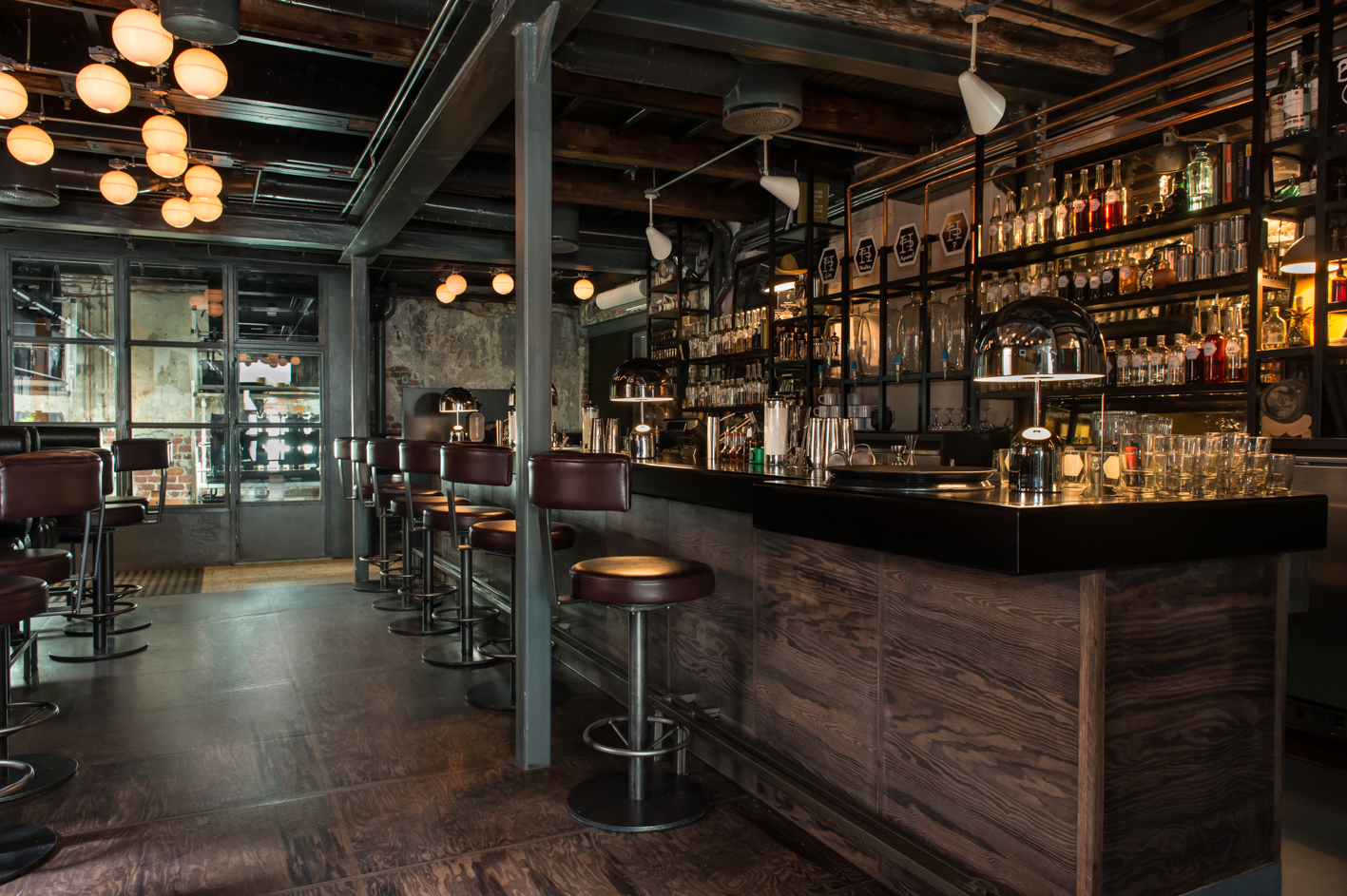
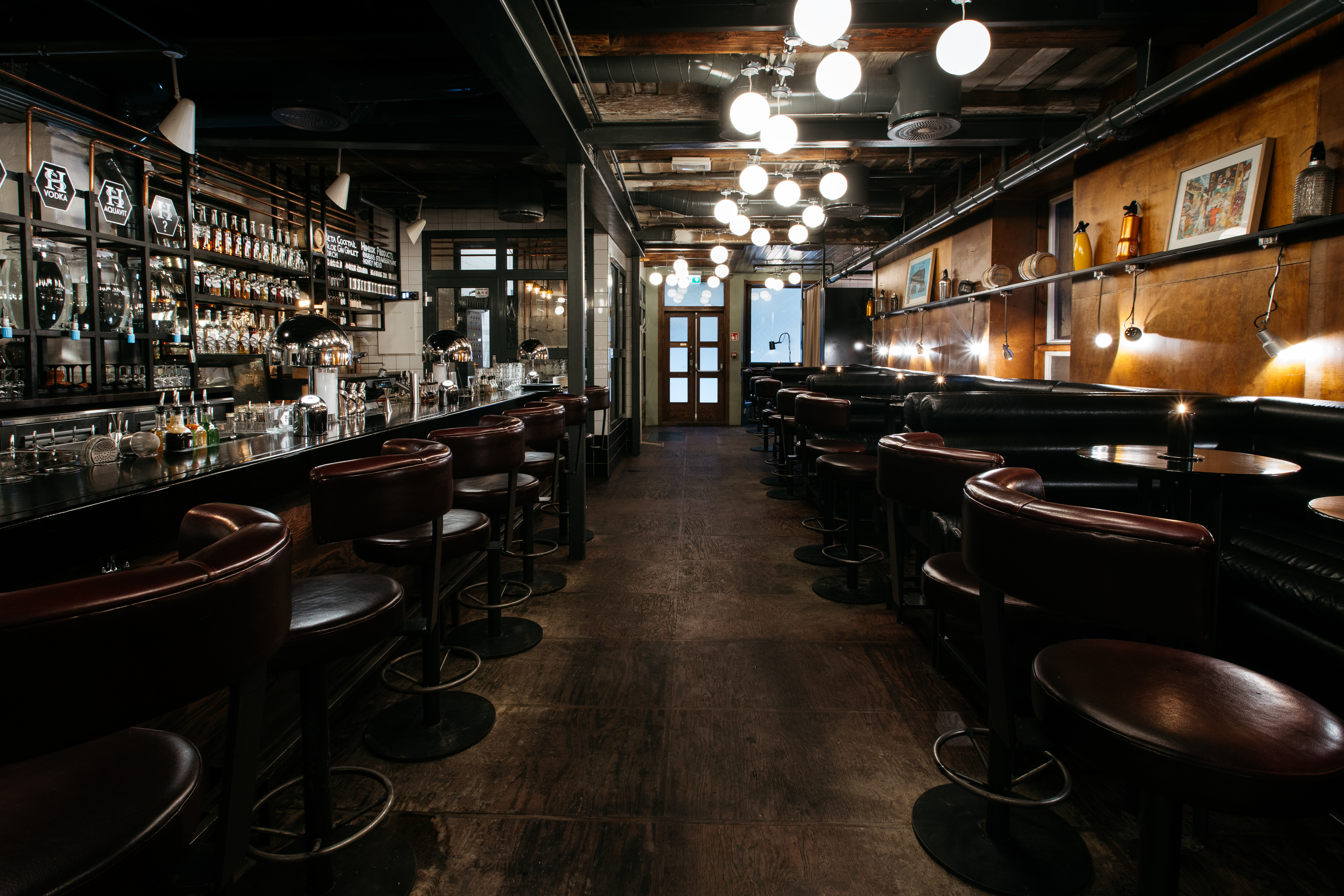
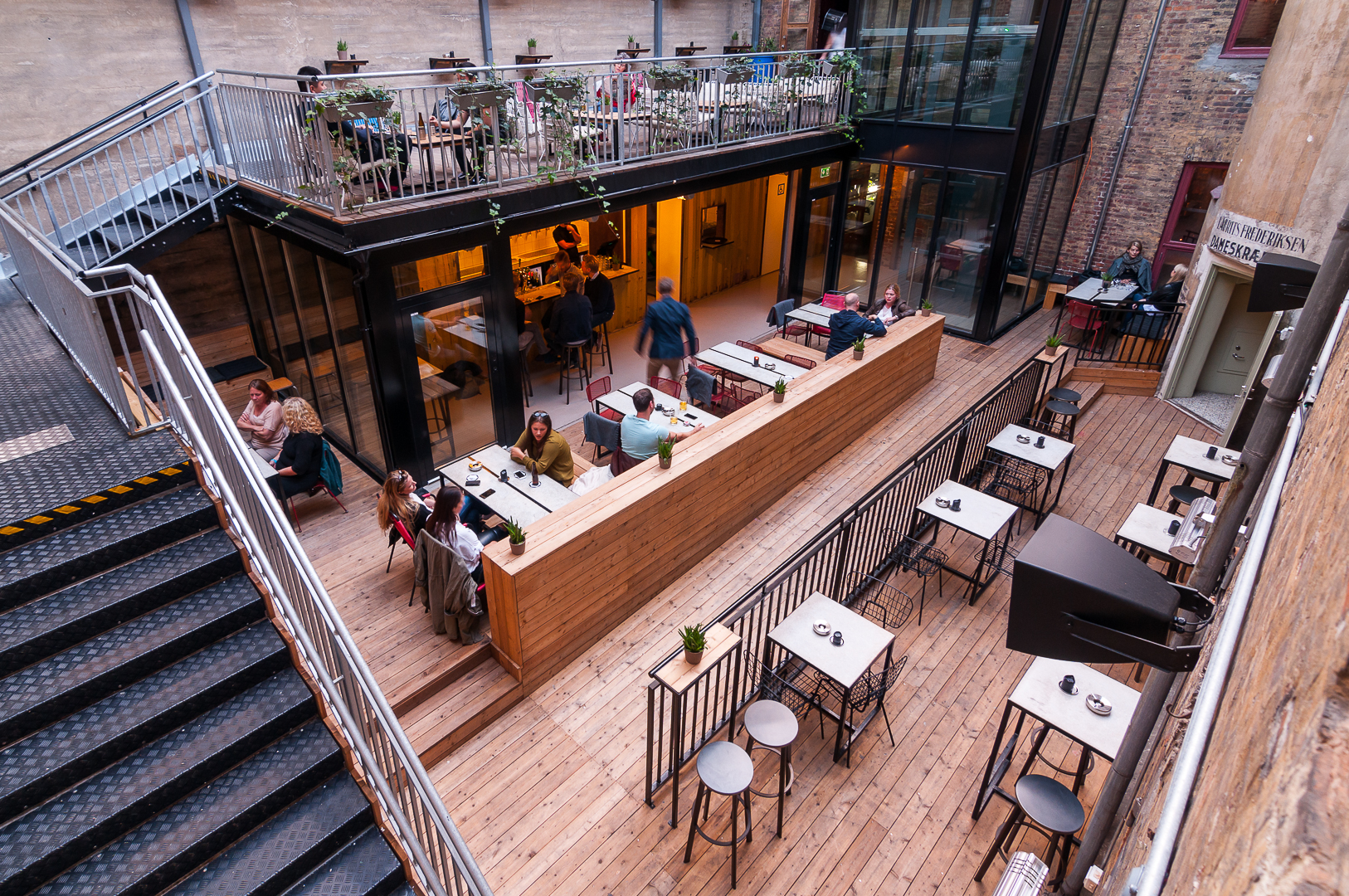
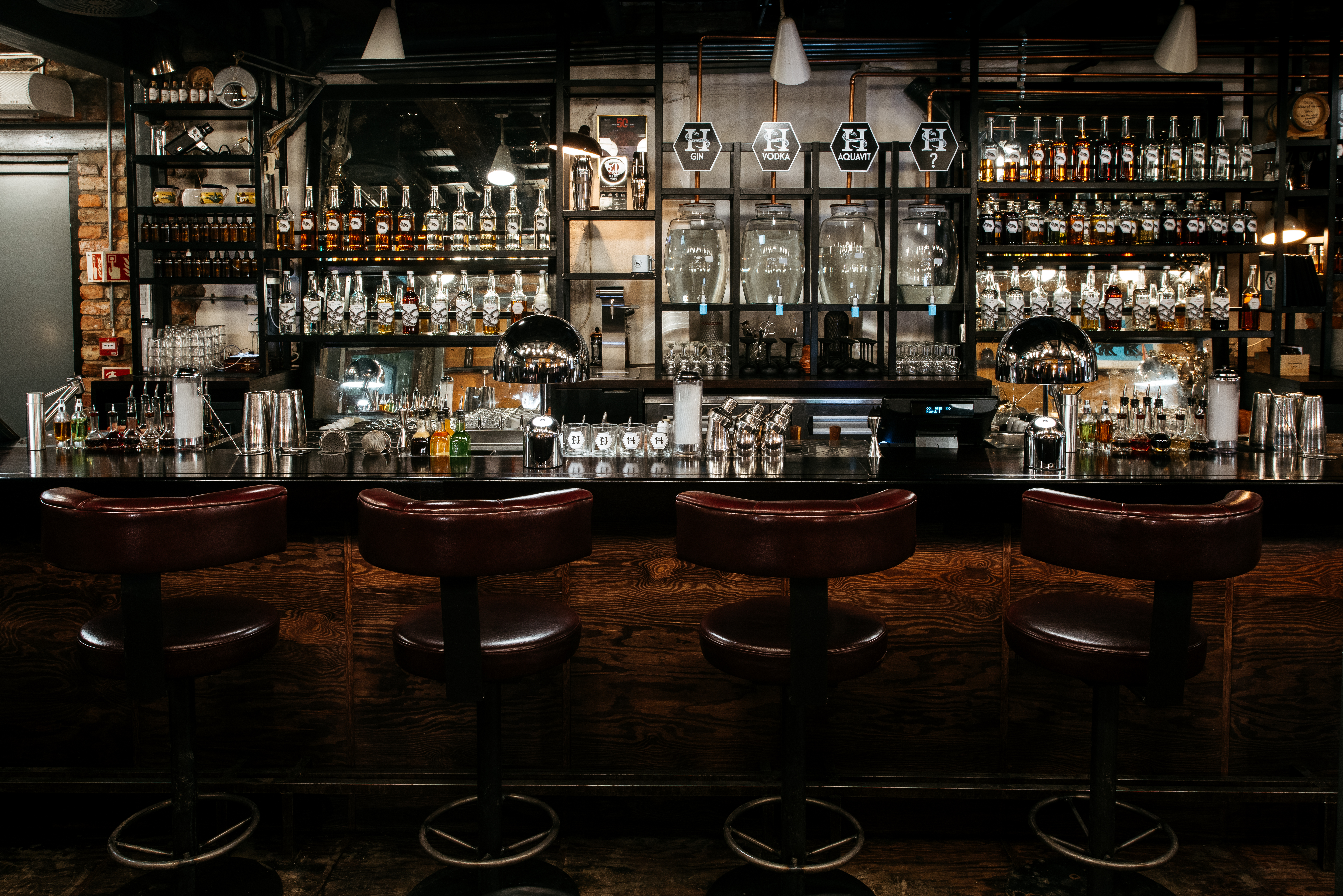


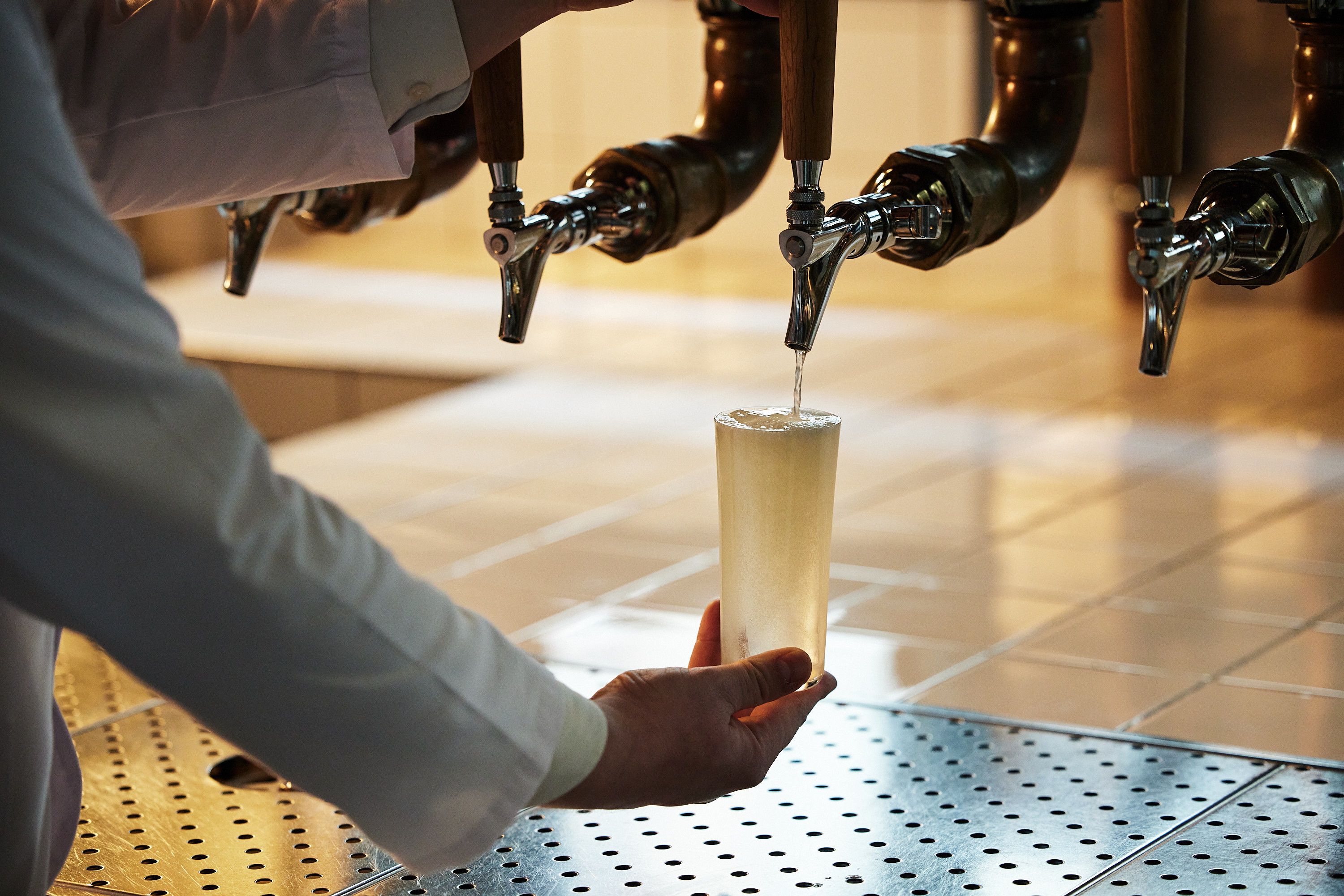
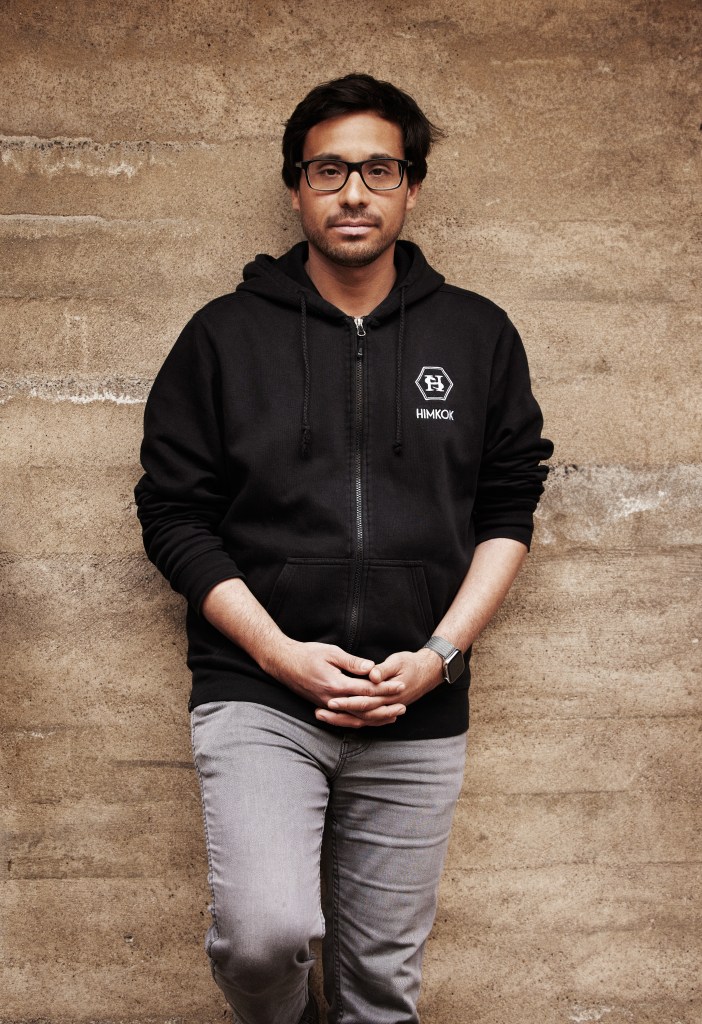
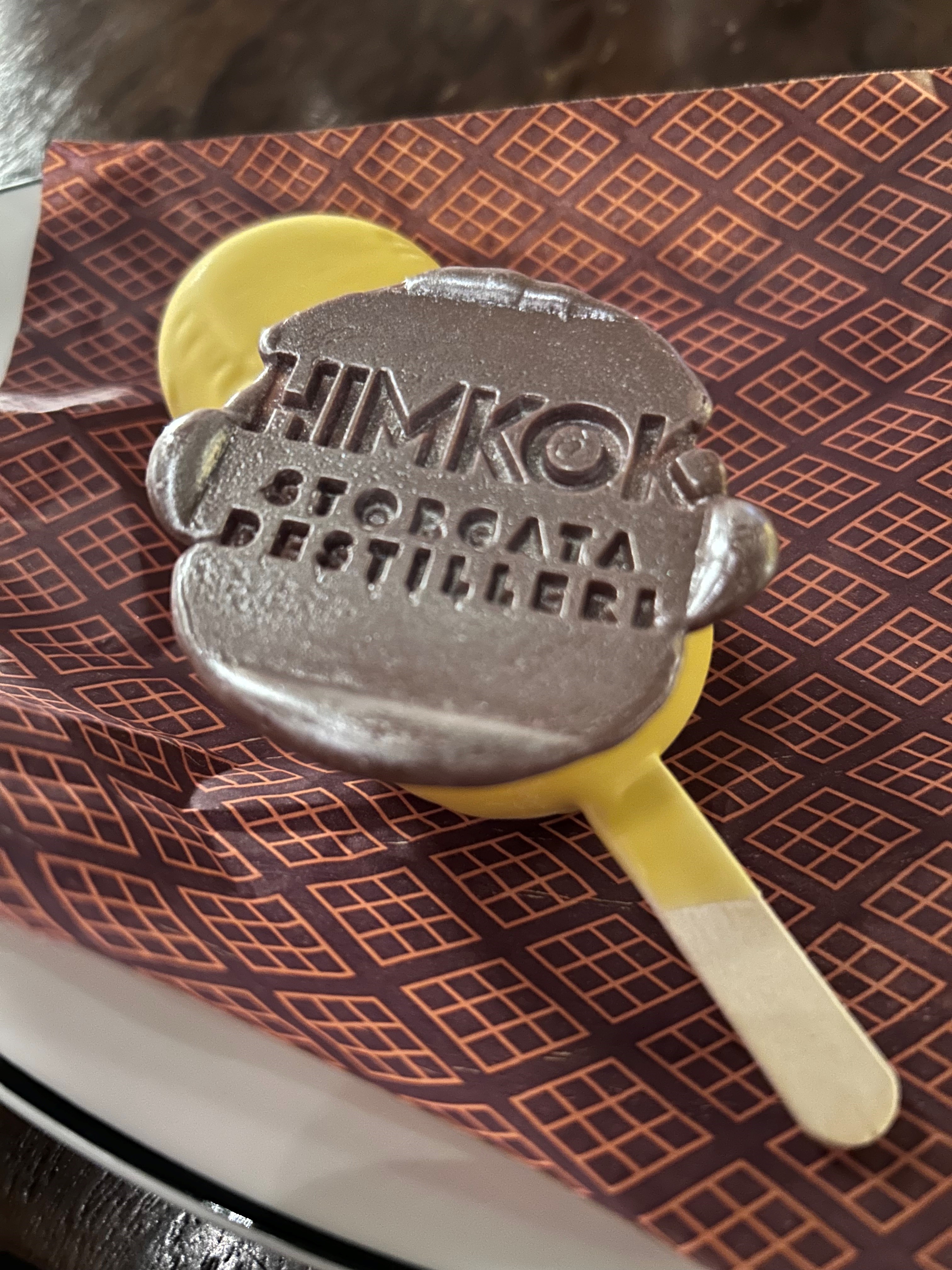
Founded in 2015 by Erk Potur, Himkok has been a cornerstone in the evolution of Scandinavia’s cocktail scene. The bar has consistently been featured on The World’s 50 Best Bars list, securing the 11th spot in 2024. Under the guidance of long-time bar manager Maroš Dzurus and head of R&D Paul Voza, Himkok focuses on crafting guest-centric drinks that emphasize Nordic ingredients and with in-house distilled spirits.
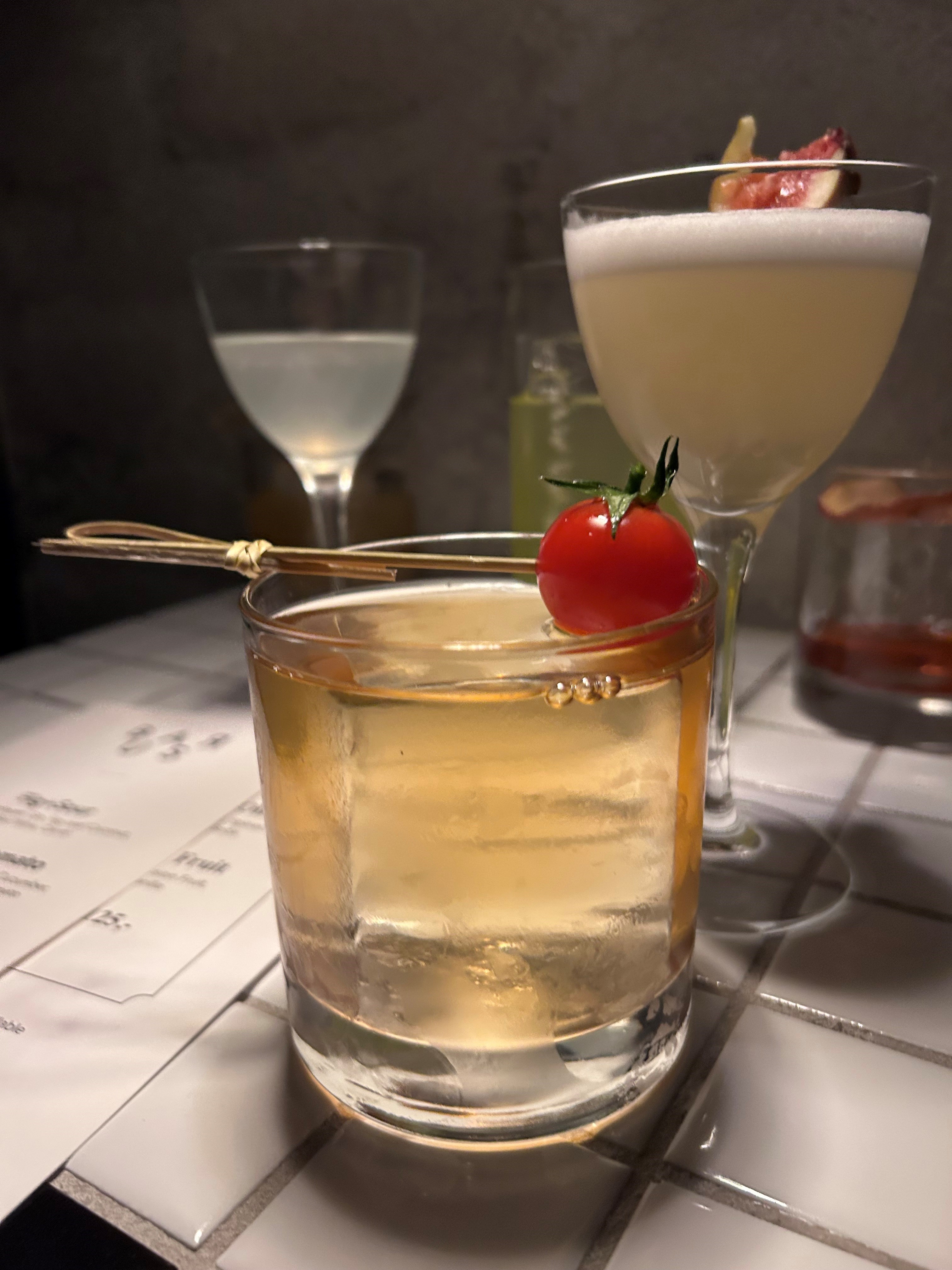


The three-day celebration featured a Scandinavian bar takeover, showcasing talents from top regional bars. Himkok, a key player in Oslo’s and the surrounding region’s drinks scene, welcomed Hampus Thunholm from Roda Huset in Stockholm, Hedda Bruce from Tjoget in Stockholm, Peter Altgenburg from BIRD in Copenhagen, and Øyvind Lindgjerdet from Britannia Hotel in Trondheim.

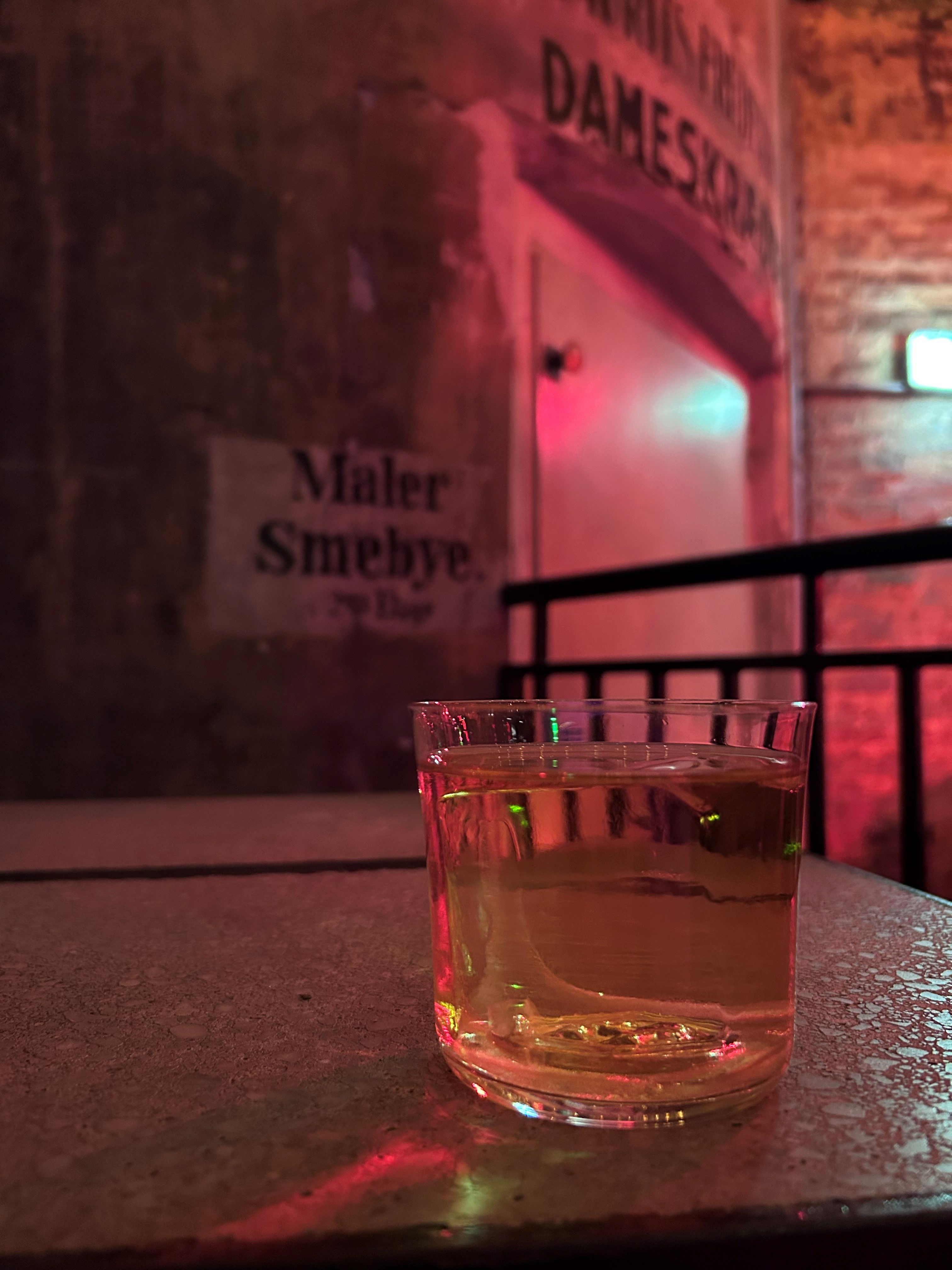
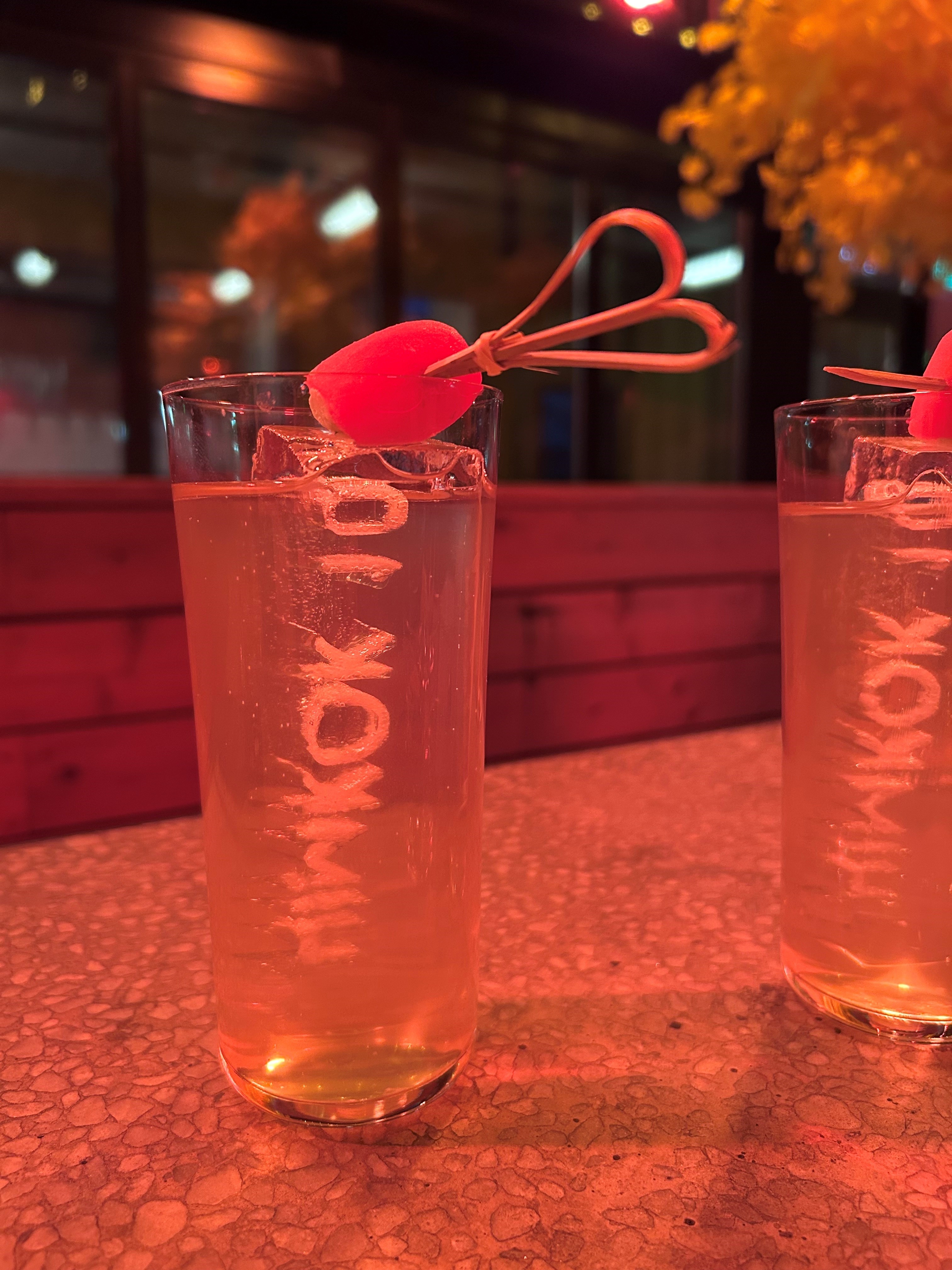
Following this, an international takeover brought in Bar Leone and The Opposites from Hong Kong, Line and The Clumsies from Athens, and Bar US from Bangkok.
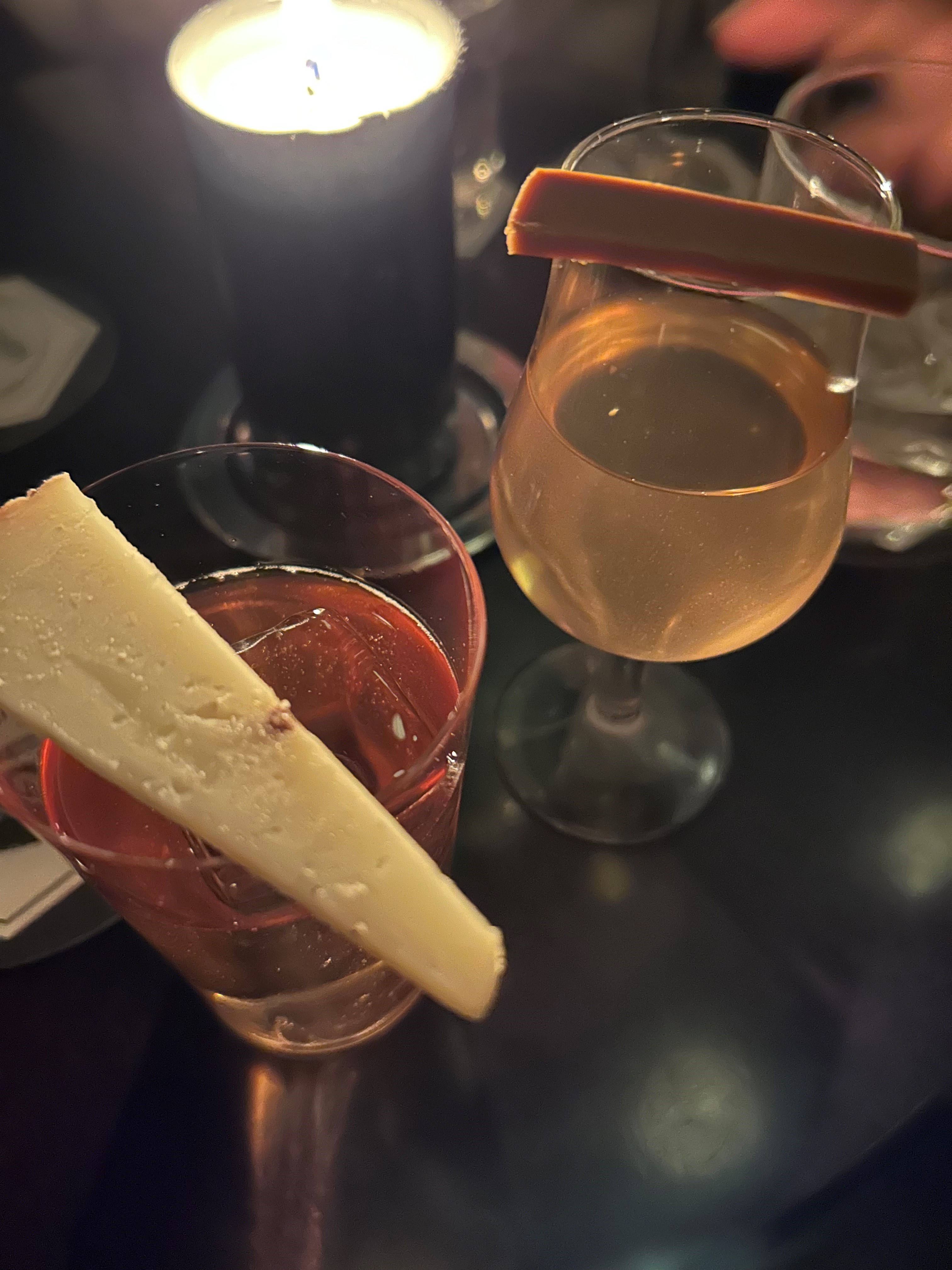


The final evening was a tribute to Himkok’s legacy, featuring alumni and industry icons Moe Aljaff of Schmuck in New York and Monica Berg of Tayer and Elementary in London.
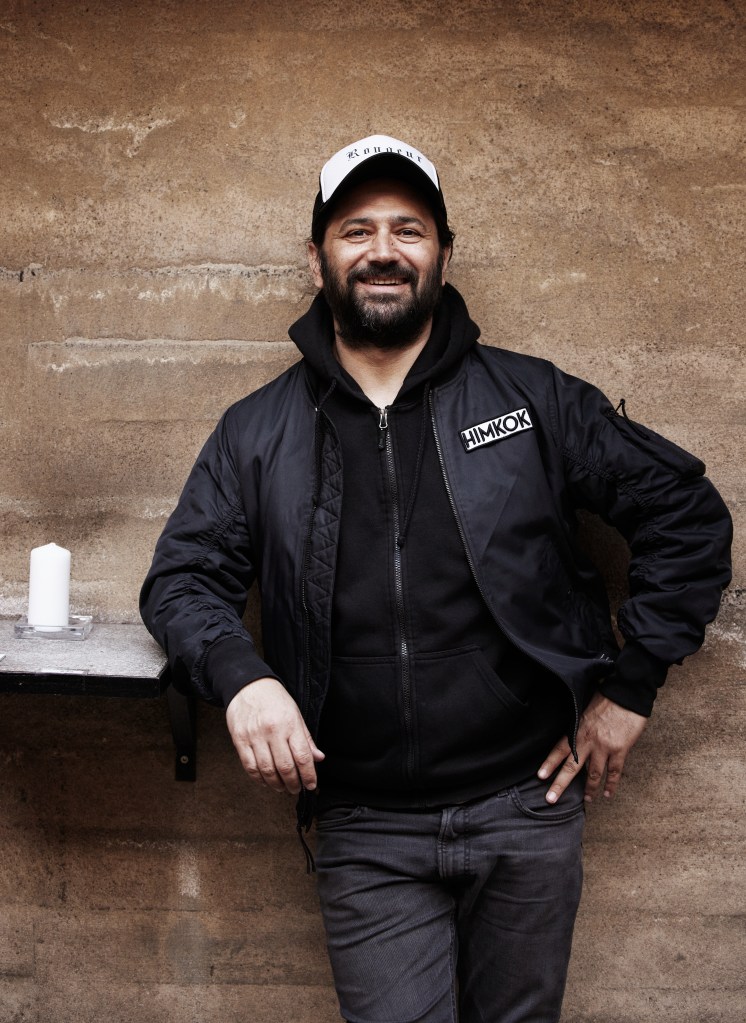
‘We’re incredibly grateful for the journey that Himkok has had over the past 10 years. It’s been an honour to be part of this industry...’
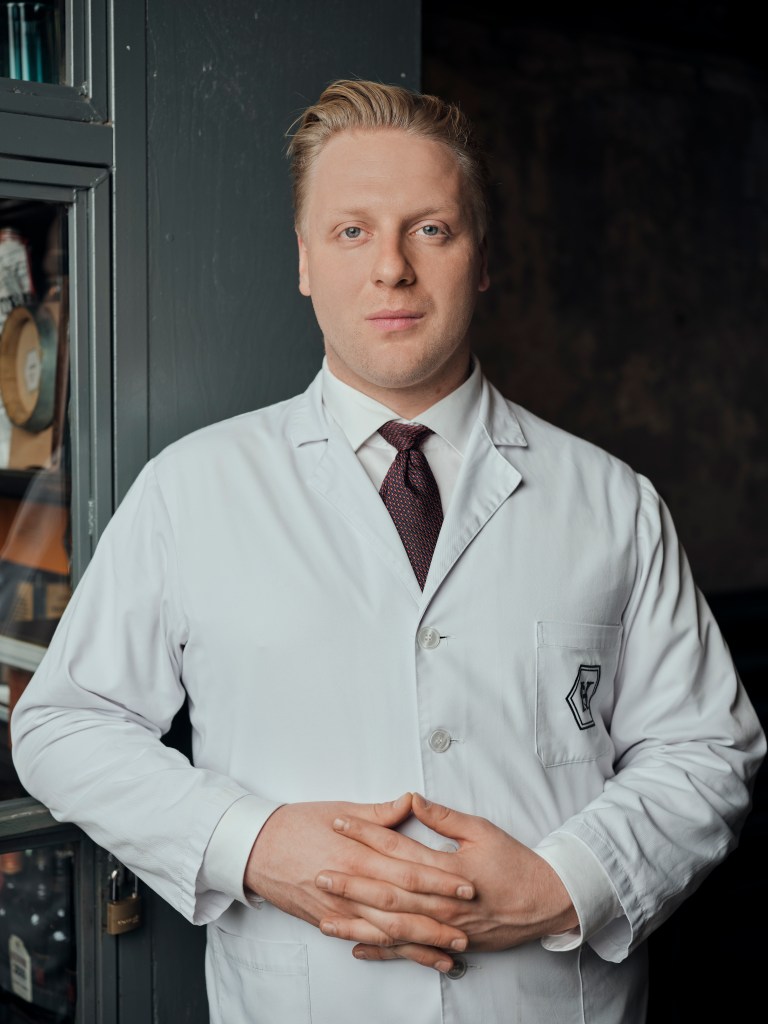
“We couldn’t be more excited to celebrate reaching the 10-year milestone this April,” said Maroš Dzurus “Himkok wouldn’t be where it is today without our incredible team, partners, and the people who have shown up for us over the years. This celebration is our way of giving back – honouring our journey and the pillars that define us: a deep appreciation for cocktail craftsmanship, Norway’s rich landscape, and the spirit of collaboration”.
The celebration also included panel discussions led by award-winning journalist and The Cocktail Lovers co-founder, Sandrae Lawrence. An engaging topic about the future of hospitality and its challenges focusing on key issues shared globally such as management, financial struggles, recruitment, and the balance between creativity and business. The panel included bars managers/owners from different continents who shared their struggles and gave away some interesting insights and tips on navigating the challenges of the hospitality industry.

But first, let’s look at the Scandinavian particularities when it comes to the bar industry with a first panel including 5 bars managers/owners from the 3 countries.
The topic was: Creativity in the Shadows: Navigating Drink Innovation in Scandinavia’s Dark Market.
Scandinavia’s bar scene is a fascinating blend of creativity and regulation, where bartenders and bar owners navigate a labyrinth of restrictions to deliver unique drinking experiences. This discussion explored the innovative approaches taken by five standout bars in Norway, Copenhagen, and Stockholm, highlighting how they thrive in a market often described as “dark” due to its stringent regulations.
Norway: Innovation Under Constraints
In Norway, the alcohol market is heavily regulated. Bars cannot advertise alcohol as a lifestyle, display pictures of glasses, or show brands. Drinks with an ABV under 4.7% can be sold everywhere, while stronger beverages are sold only in government-owned stores. Despite these restrictions, Norwegian bars like Himkok have found ways to innovate. Erk’s approach was to “teach but don’t preach,” focusing on educating guests about the provenance of ingredients. Their menu is built like a business plan, emphasizing the overall experience rather than brand visibility. Brands are chosen for their storytelling potential, adding depth to each cocktail. Their approach includes also a membership program with 3,000 participants learning how to make cocktails, emphasizing education and community. They also chose to collaborate with local musicians for each cocktail and focused their communication around the collaborations rather than just the cocktails. They also make sure to recruit people with a creative mindset, then if recruited, they will have to work for 3y minimum from bottom to top. Himkok, a distillery and cocktail bar, faced a steep learning curve. The local drinking culture was dominated by sweet cocktails like mojitos, and there was little knowledge about more sophisticated drinks but they managed to find creative ways to make it work!
Sweden: Balancing Tradition and Modernity
Sweden’s regulations allow for some advertising on Instagram, but bars must serve food with drinks by law. Drinks with an ABV of up to 3.5% can be sold widely. Swedish bars focus on using local ingredients and promoting Scandinavian heritage. The drinking culture is characterized by moderation during the week and heavier drinking on weekends.
In Stockholm, bars offer only menu drinks, ensuring a curated experience. The emphasis is on quality over quantity, with a focus on storytelling and the provenance of ingredients. This approach not only respects the regulations but also enhances the guest experience.
Copenhagen: A Hub of Creativity
Copenhagen enjoys fewer restrictions compared to its Scandinavian neighbours. The city’s bars, inspired by the culinary innovations of Noma, avoid using citrus and instead focus on local ingredients. Bars in Copenhagen leverage travel and social media to reach a broader audience. They build trust rather than following trends, emphasizing honesty and teamwork.
This collaborative spirit is evident in the success of bars like Himkok, which has become a symbol of Scandinavian innovation and cooperation.
Overcoming Challenges and Looking Ahead
Scandinavia’s dark market has fostered a unique environment where creativity thrives despite restrictions. Bars in Norway, Sweden, and Copenhagen have turned challenges into opportunities, creating innovative and memorable experiences for their guests. The future of hospitality in this region looks bright, with a continued emphasis on collaboration, education, and the celebration of local ingredients and traditions.
By navigating the shadows with creativity and resilience, Scandinavian bars are setting a new standard for innovation in the global drinks industry.

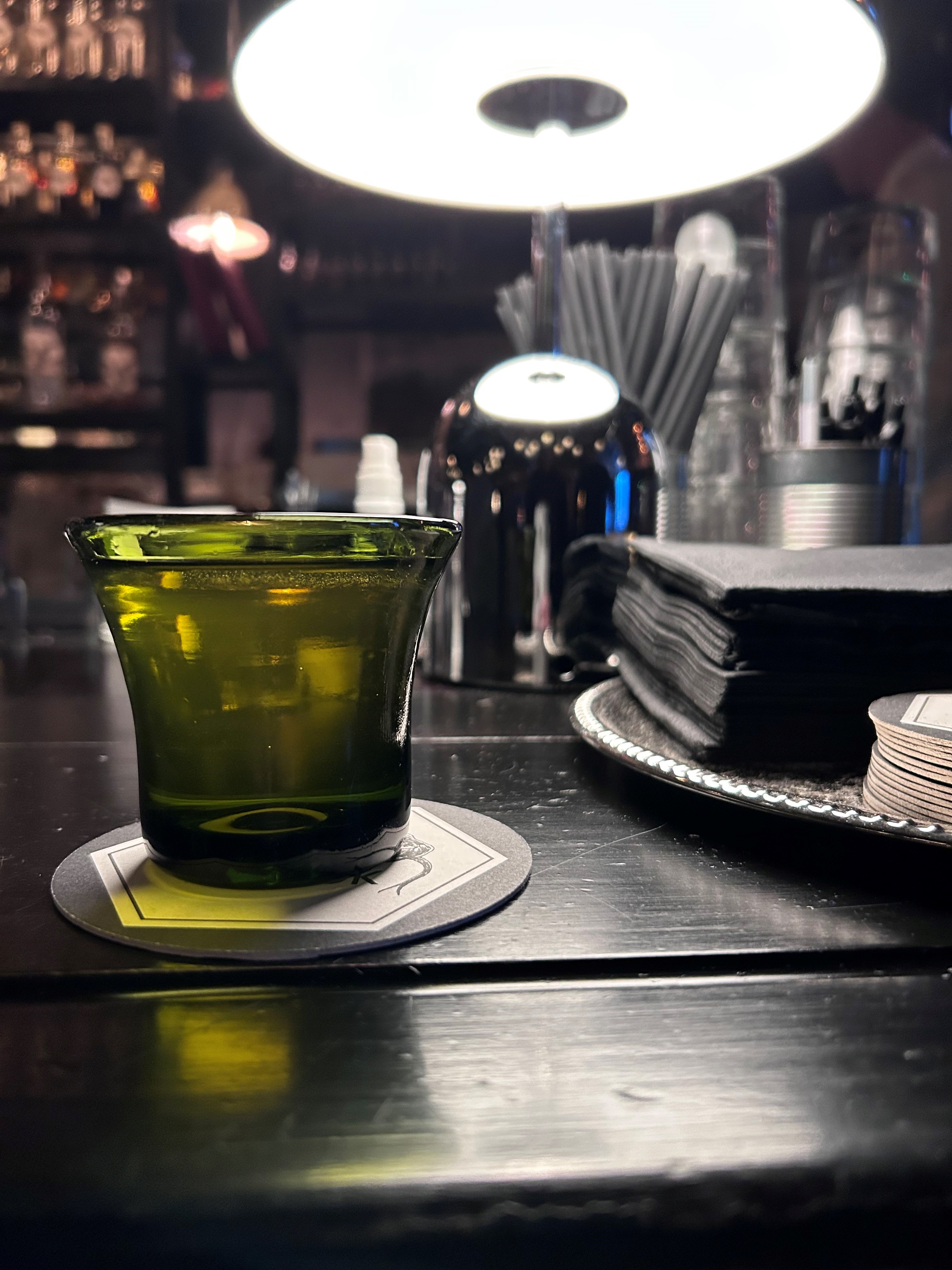


The Future of Hospitality and Its Challenges

The hospitality industry is constantly evolving, facing unique challenges and opportunities. This discussion, again during the 10y anniversary celebration of the Bar Himkok in Oslo, delved into the future of hospitality. Several international bars participated in guest shifts and engaged in a discussion about the future of hospitality and its challenges. Despite the brief 45-minute session involving a few bars owners/managers, it became clear that many of the major issues are common across the globe. Hopefully, these successful bars also shared some valuable solutions to these challenges!
Effective management and problem-solving are crucial in the hospitality industry. Bars like Clumsies and Line have faced significant challenges in 2022, such as the industry had not yet returned to pre-pandemic levels and inflation was a major concern. Rising costs for goods and services, particularly energy, significantly impacted the hospitality sector. These incidents underscored the importance of recruiting staff who align with the owner’s vision and can handle complex situations.
Financial struggles are a common theme in the hospitality industry, particularly in regions like Greece. Bars like Clumsies and Line have adopted strategies such as signing big contracts for ingredients in bulk to reduce costs and improve profitability.
In Hong Kong, Bar Leone faces high costs for rent and labour, compounded by political shifts that have reduced visitor numbers and spending power. Also eating out is becoming less frequent for locals who will prefer eating out at a bar which will be cheaper for them.
Energy management is another critical issue. For example, Clumsies has seen energy expenses for freezing ingredients multiply by 5. Despite these challenges, bars emphasize the importance of craftsmanship, safety, and balancing business with creativity. Only a small portion of their success is attributed to the drinks themselves, with the rest relying on other factors such as the hospitality, the ambiance, the location, the storytelling etc etc…
Recruitment and retention are major challenges in the hospitality industry. Bars like Bar US face difficulties in recruiting, especially with cultural barriers in Asian communities where parents may block career paths for aspiring bartenders. But the bar is using their shared resources with the 2 sister bars to their advantage in terms of equipment and prep work staff for cutting costs. The bar has created a menu concept similar to restaurants, encouraging guests to try multiple drinks with different sections like starters, main and dessert.
The Opposite bar in Honk Kong is focusing on recruiting local staff and give them better opportunities such as training for opening their own bar in the future. They systemise everything and serve cocktails on tap. They sign 2y contracts with suppliers and they have a central kitchen for preps, they share with the other bars that are part of the group to lower the costs. They highlight the fact that big bartending competitions help the bars shining and ultimately attract more people to work with. Social media plays a big role in attracting guests, the Little Red Book is used a lot in the region.
Bar Leone in Hong Kong emphasizes on the patience it takes to open a place and run it (!). To combat high turnover, Leone offers incentives and creates a career path for Gen Z employees, adapting to their needs and providing an international work environment adds to the appeal and retention of young talent.
They create activities for staff, such as making food for the homeless, to give them a sense of purpose. Listening and empowering young employees is crucial for adapting to changing rules and expectations. The recognition of the 50 Best Bars and a stage program for internationals plays a big role in attracting new staff. Especially those who want to work in an international environment.
Balancing creativity with business acumen is essential for success in the hospitality industry. Bars like Schmuck in New York exemplify the trend of creating in multiple fields. They focus on practical solutions and storytelling, with a strategy of pricing all cocktails the same and making popular cocktails easy and cheaper to prepare.
Systemization and structure are key to managing costs and improving efficiency. Bar The Opposite focuses on systemized operations like tap cocktails and central kitchens for prep work. This approach lowers costs and improves efficiency.
Bars are adapting to consumer behaviour, with people preferring to visit one expensive place a month or frequent cheaper places. The middle-tier bars are slowly disappearing.
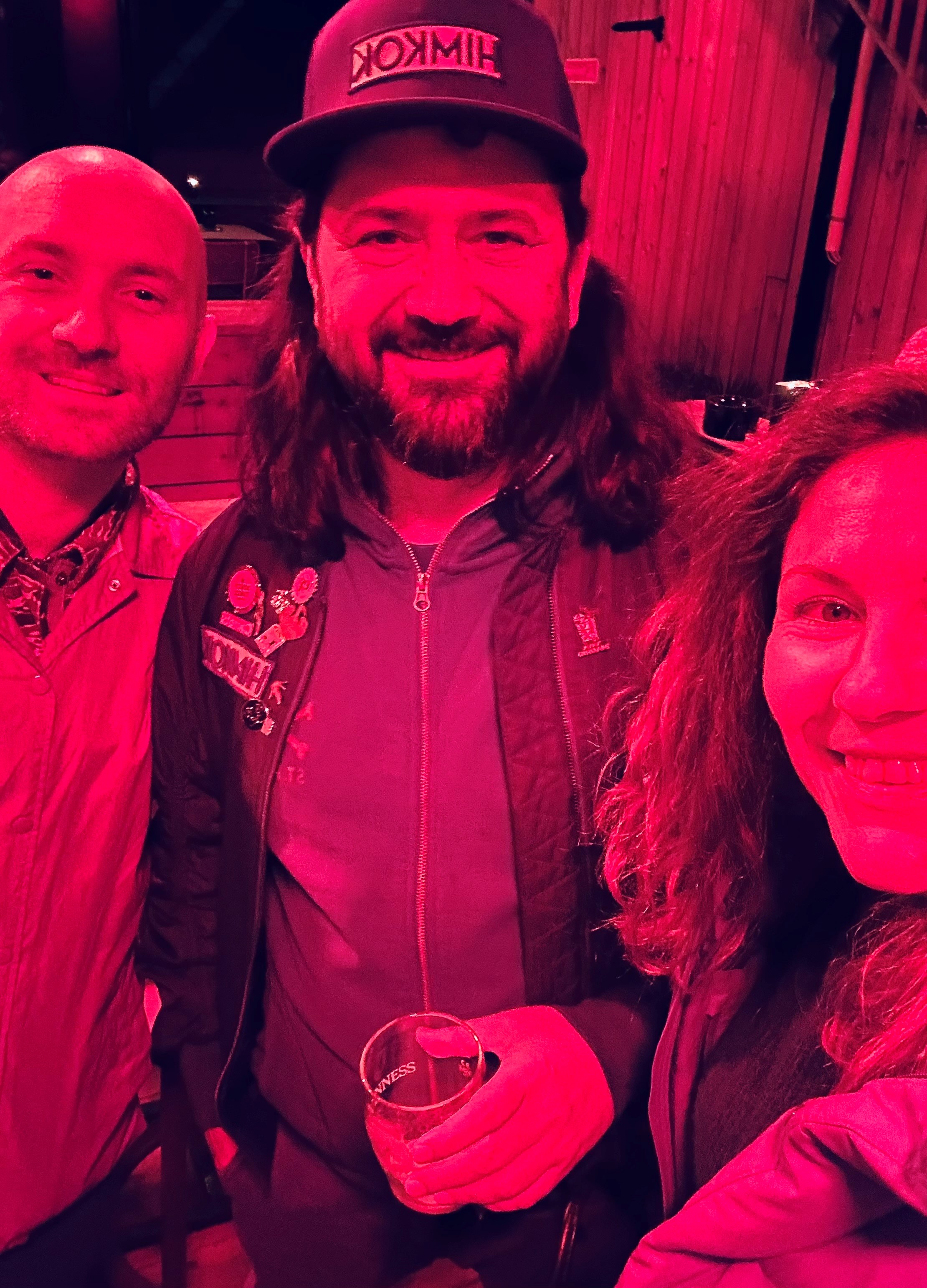

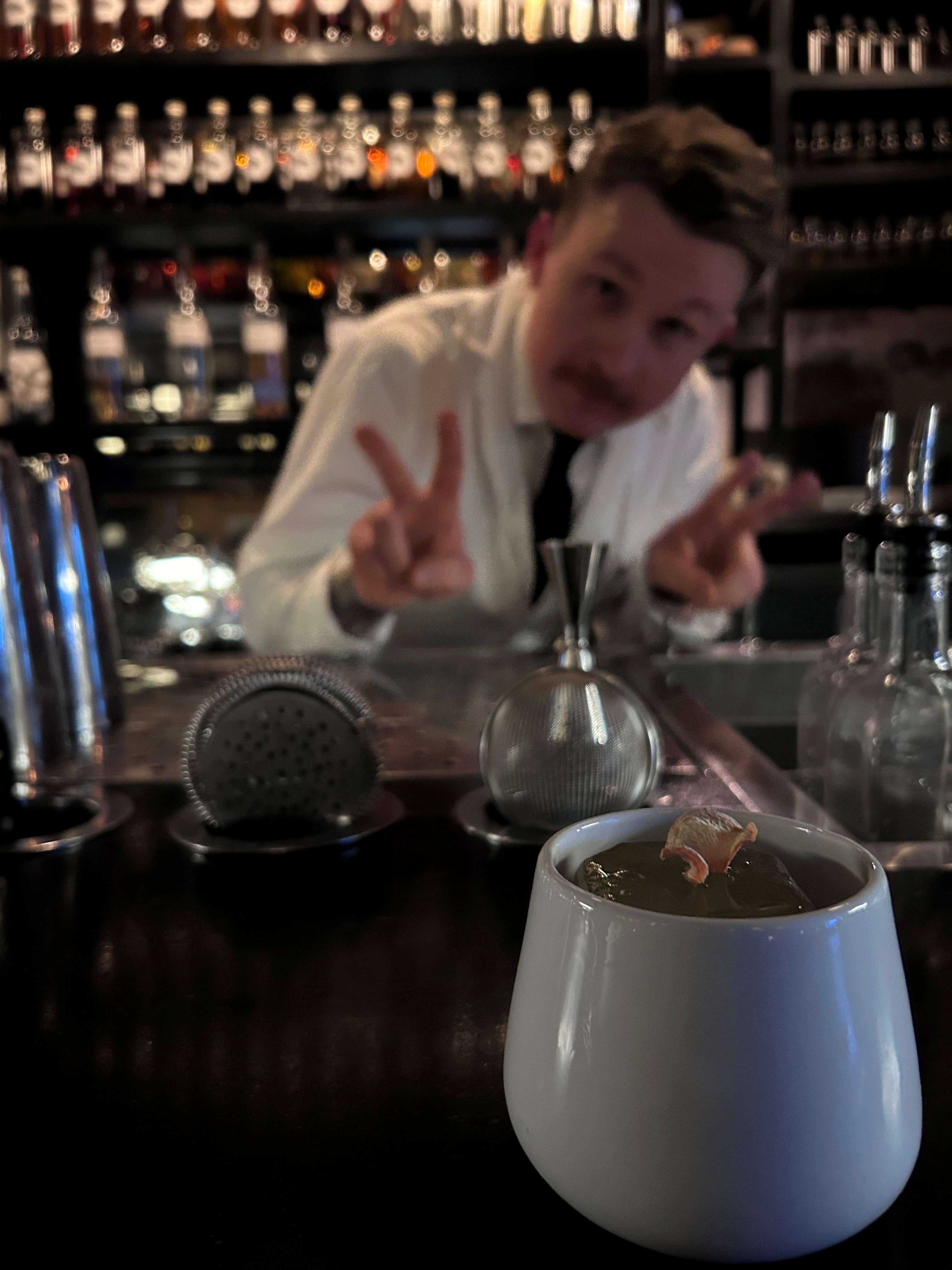
The future of hospitality is shaped by the ability to manage and solve problems, adapt to financial and recruitment hurdles, and balance creativity with business acumen. By focusing on education, storytelling, and collaboration, the hospitality industry can continue to thrive despite the obstacles it faces, so there is still hope! Bars like Clumsies, Line, Schmuck, Bar US, Bar Leone, Bar The Opposite, and Himkok demonstrate resilience and innovation, navigating complex landscapes to create memorable experiences for their guests.
Himkok’s legacy is one of resilience and creativity, thriving despite restrictions. The bar’s collaborative efforts with other Scandinavian bars highlight the importance of teamwork and shared success. Through their innovative approach, Himkok inspires others and continues to set a high standard in the global drinks industry, with more surprises on the horizon!
Gratulerer med dagen og 10-årsjubileet for barens åpning!To many more years Himkok!
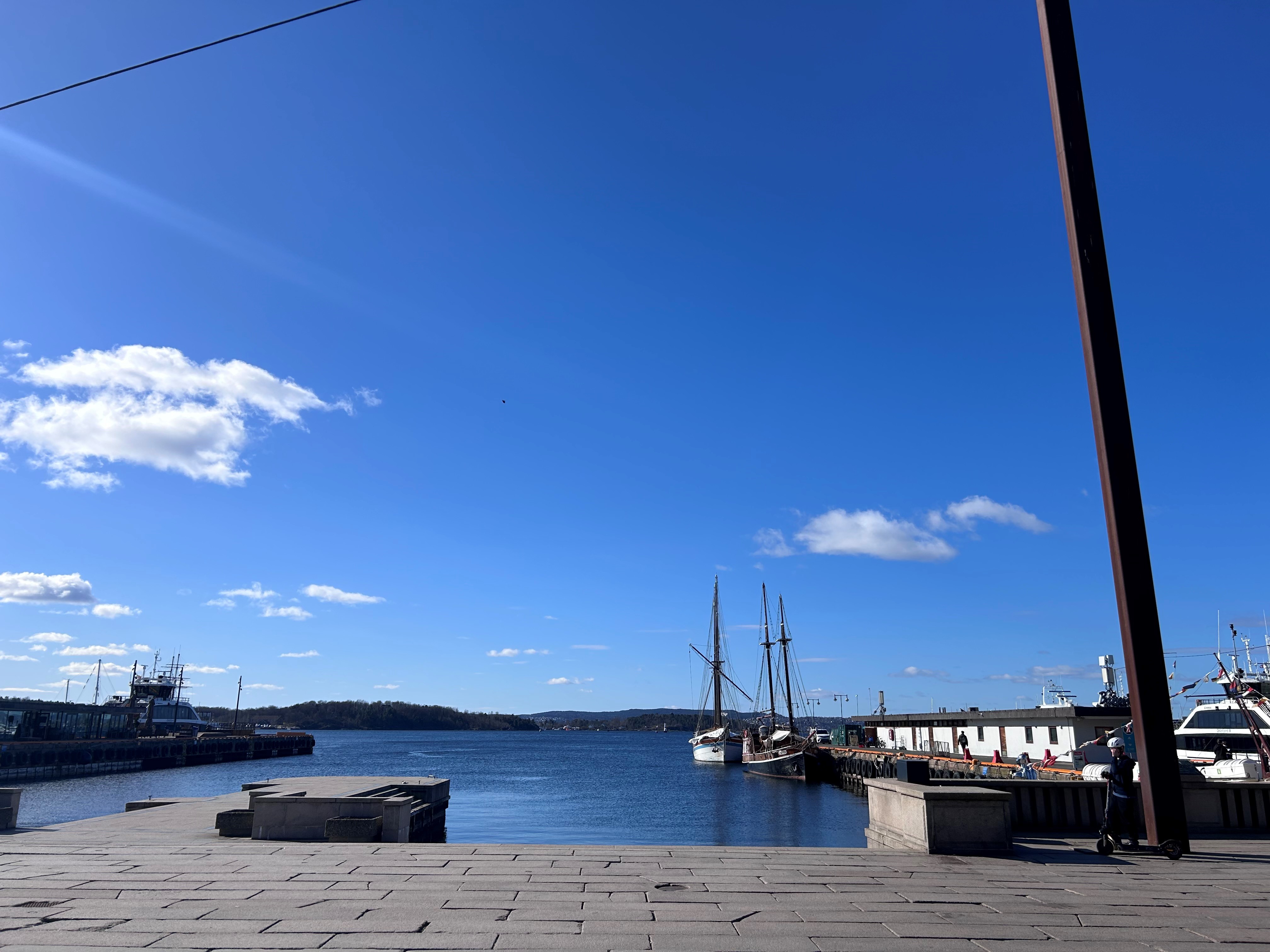

A few tips for the travelers to Oslo :
For drinks, Himkok : Instagram
For dinner with a spectacular view + drinks (and a hotel with a pool and the best gym I’ve ever seen) Sommero : Instagram
For a fun dinner, Punk Royale : Instagram
For a quieter dinner and waffles : Instagram
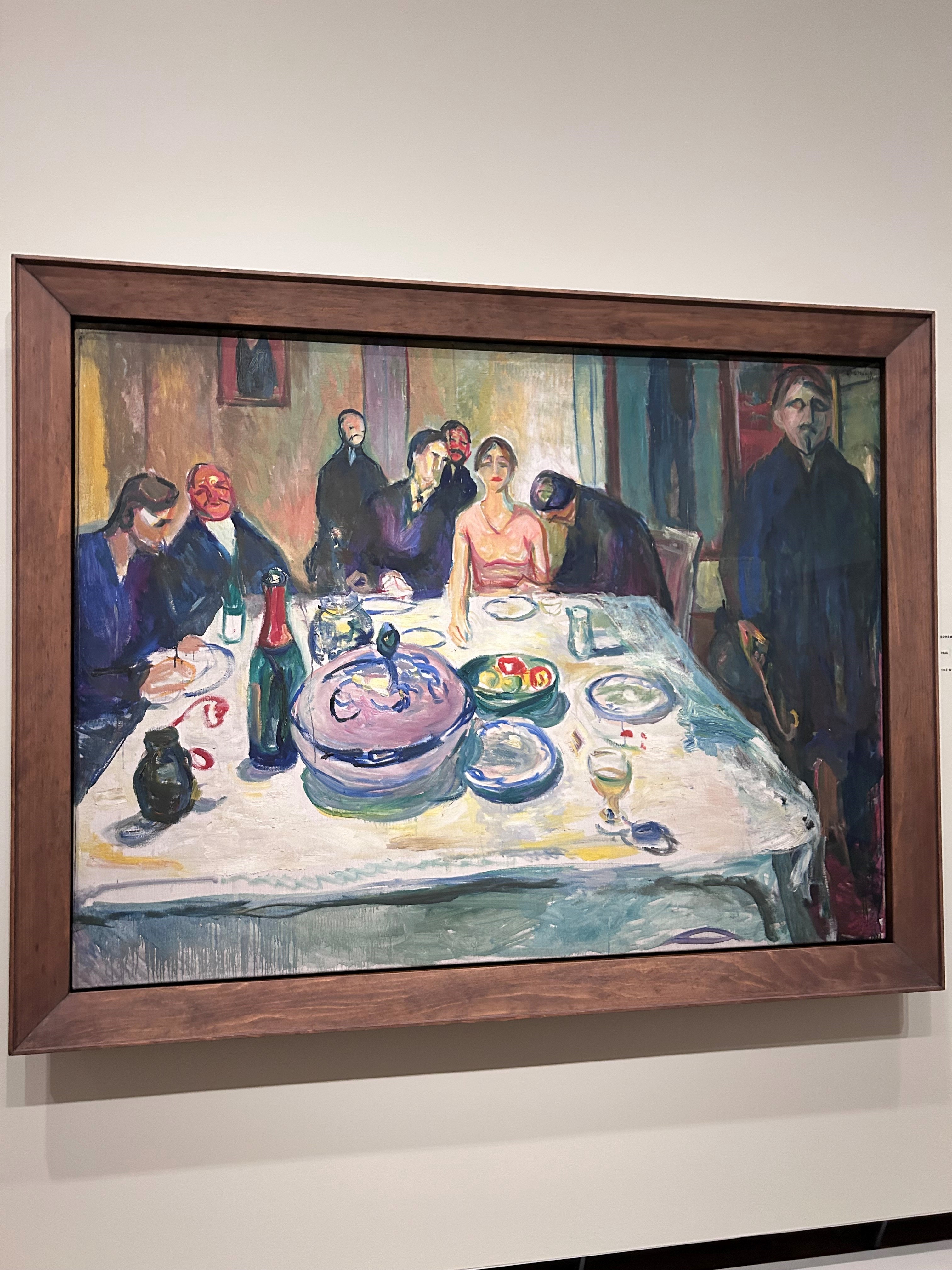
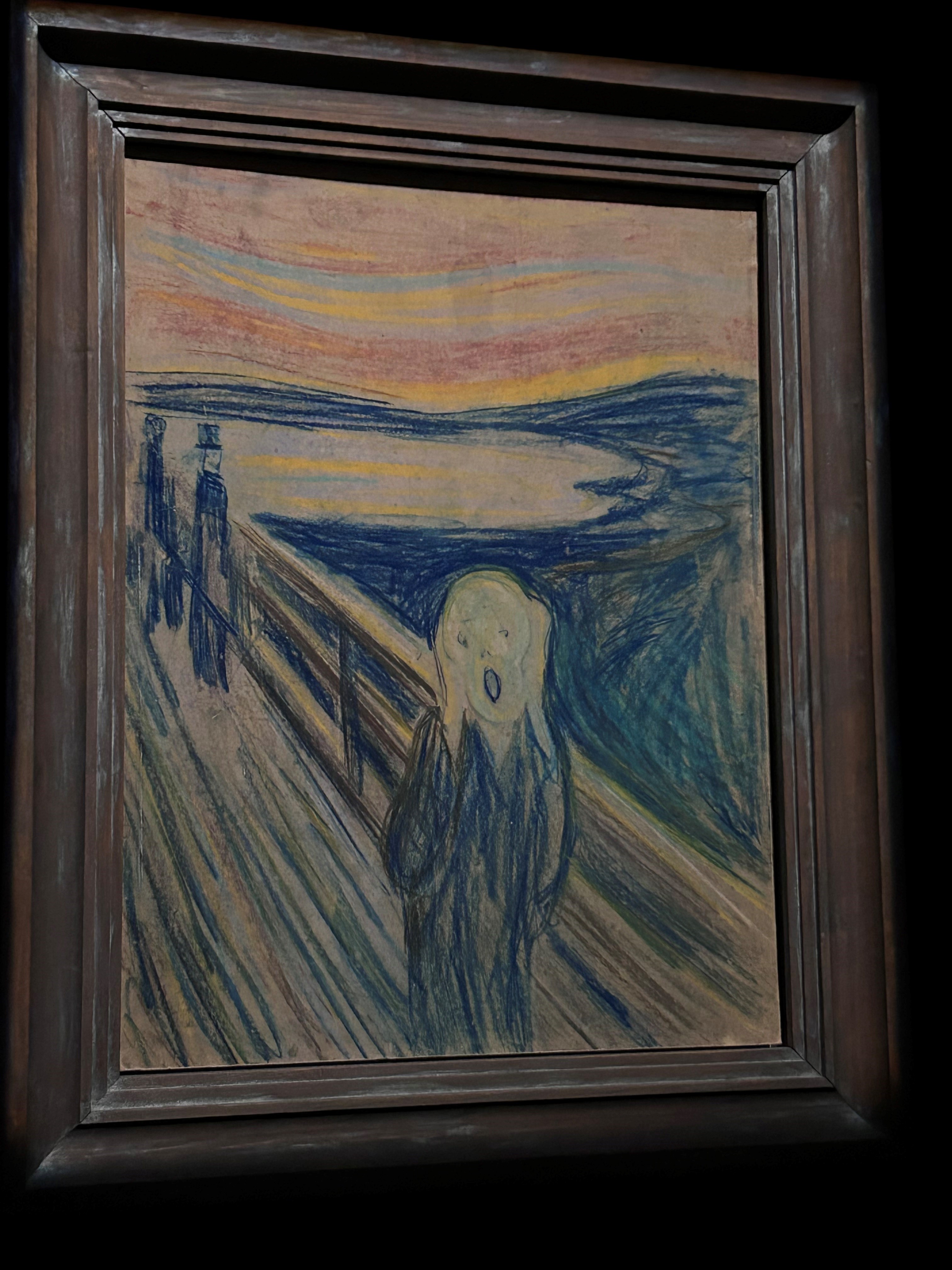
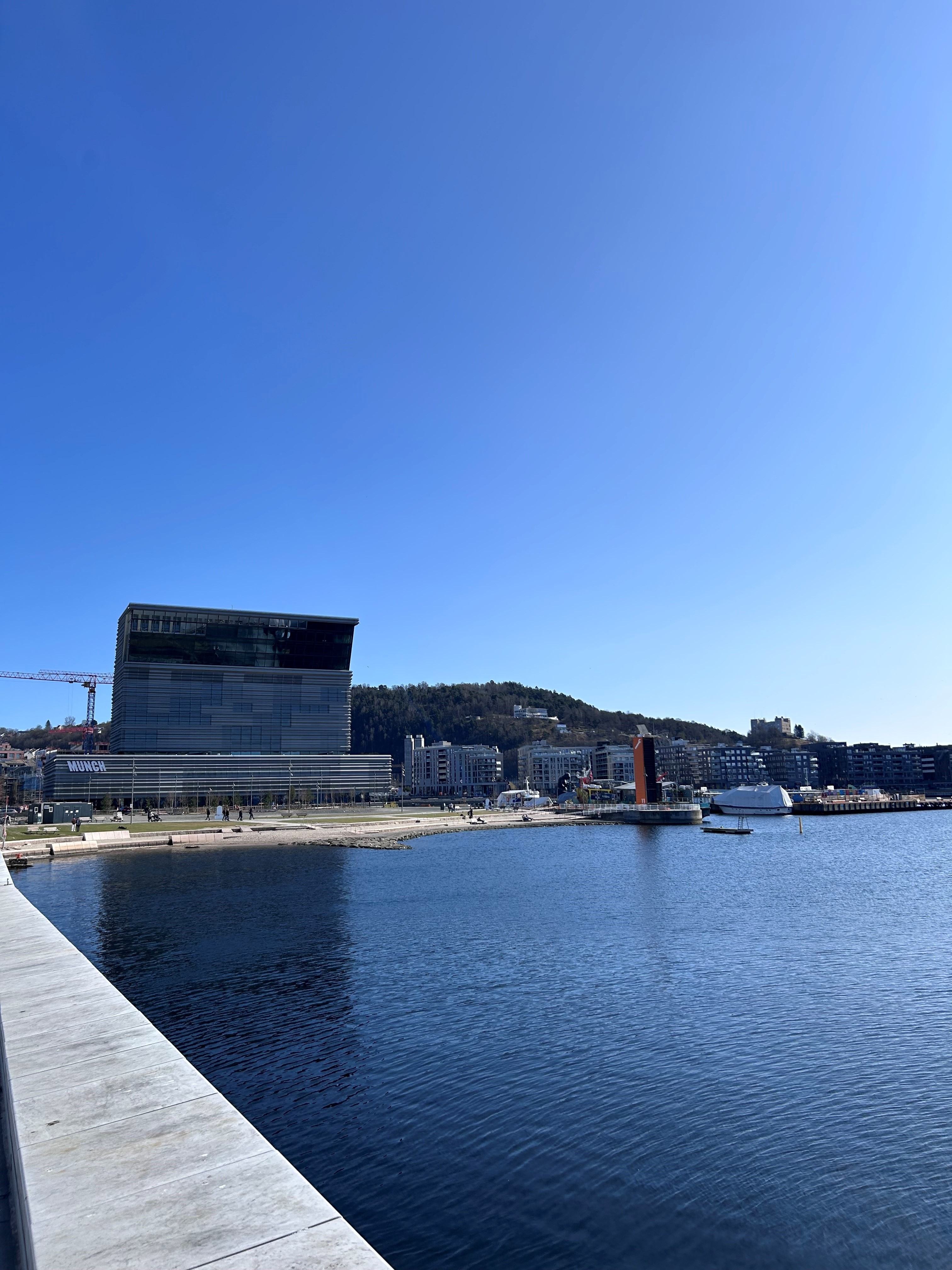
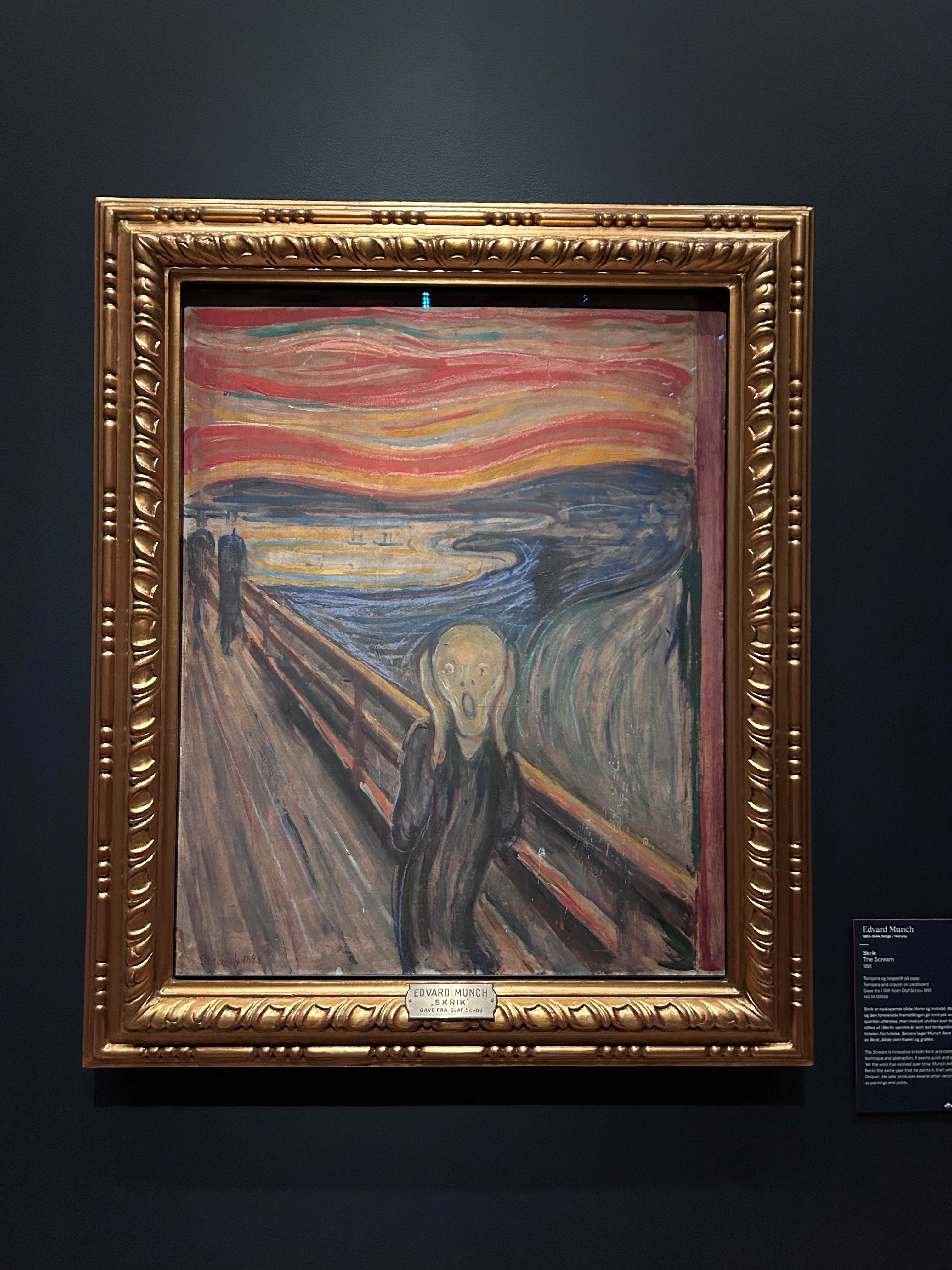
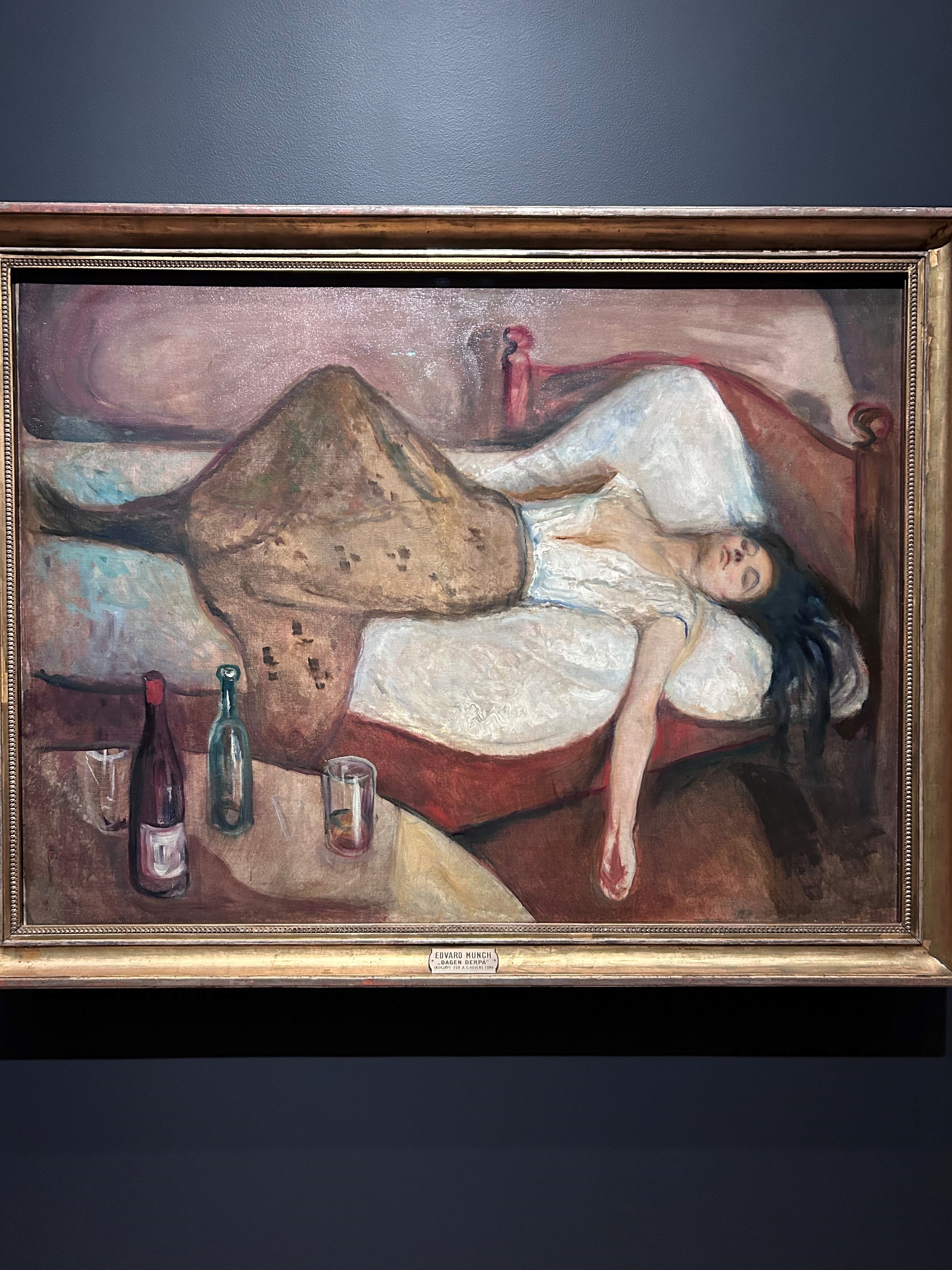
I had an amazing time exploring Oslo, delighting in its museums (I’m a big fan of Munch now!) and shopping malls, all while being warmly welcomed by the friendly Norwegians. I ate less fish than I expected because the locals, who eat fish frequently at home, prefer meat when dining out. I also tried reindeer for the first time. While I didn’t spot any Vikings, I enjoyed plenty of amazing cocktails and danced all night to old-school music! (and hopefully no one recorded my macarena moment !)
 Cocktails in Paris
Leave a comment