
Potato Head Bali‘s new ‘Roots Revived’ menu is a tribute to the island’s soul, blending sustainability with spirituality. Discover how this innovative approach reimagines waste as flavour and honours the Balinese philosophy of Tri Hita Karana.

In Bali, where spirituality is woven into daily life and nature is revered as sacred, Potato Head Bali has created something quite special: a new menu called “Roots Revived” that is as much a tribute to the island’s soul as it is a blueprint for sustainable hospitality.
At the heart of this initiative is a simple but powerful idea: nothing is wasted, and everything has potential. This philosophy, deeply aligned with the Balinese concept of Tri Hita Karana —harmony with the divine (Parahyangan), with people (Pawongan), and with nature (Palemahan)—guides every decision behind the bar, in the kitchen and in all aspects of the organization.

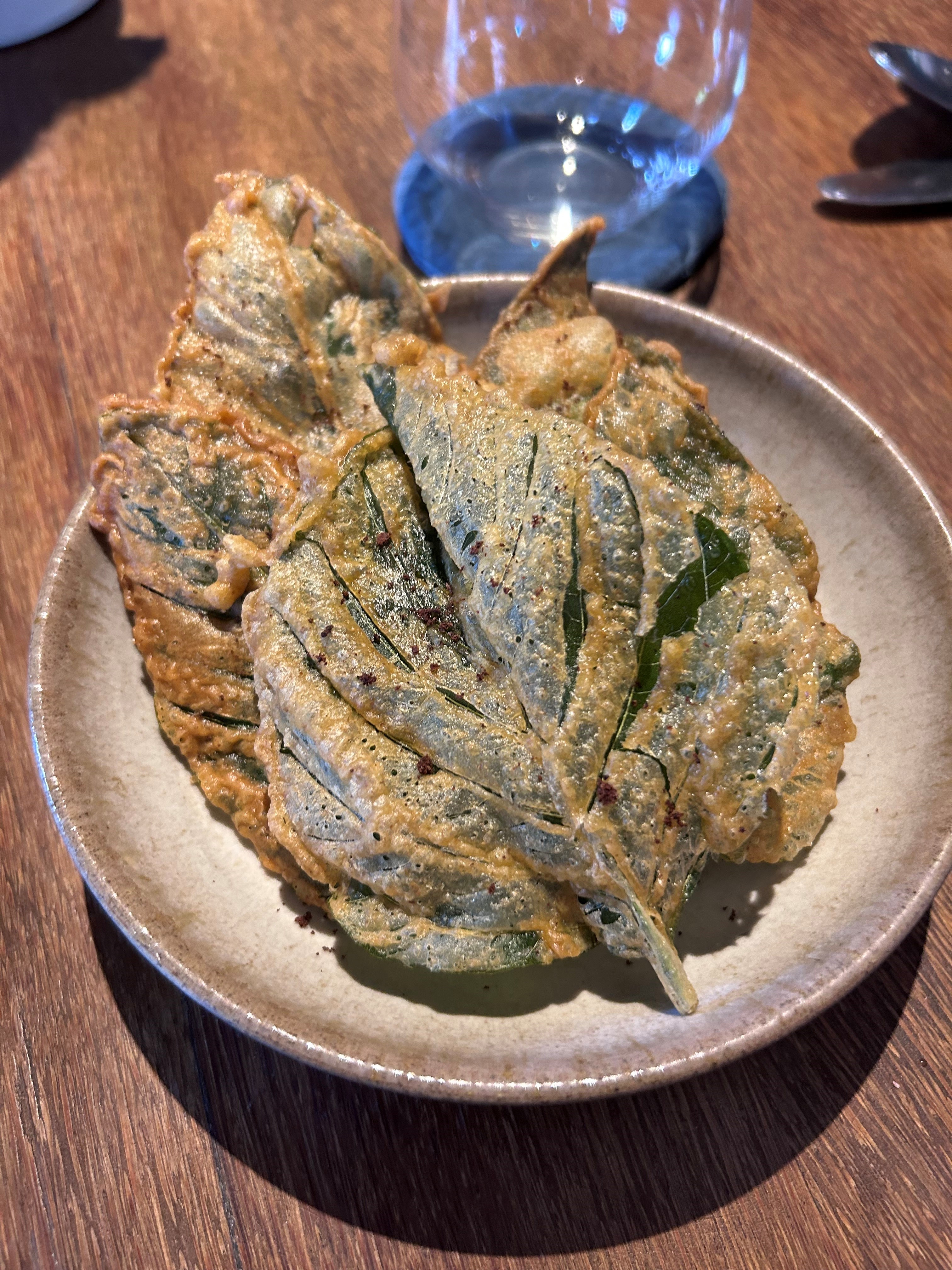
Beyond Hospitality: Building a Creative Ecosystem in Bali
Founded in 2009, Potato Head began as a creative hospitality brand with a vision to blend culture, design, and sustainability. The Bali location opened in 2010 and quickly became a cultural landmark. In 2017, the brand expanded into hospitality with the opening of its hotel and launched a bold zero-waste initiative, banning plastic from all supplier deliveries.
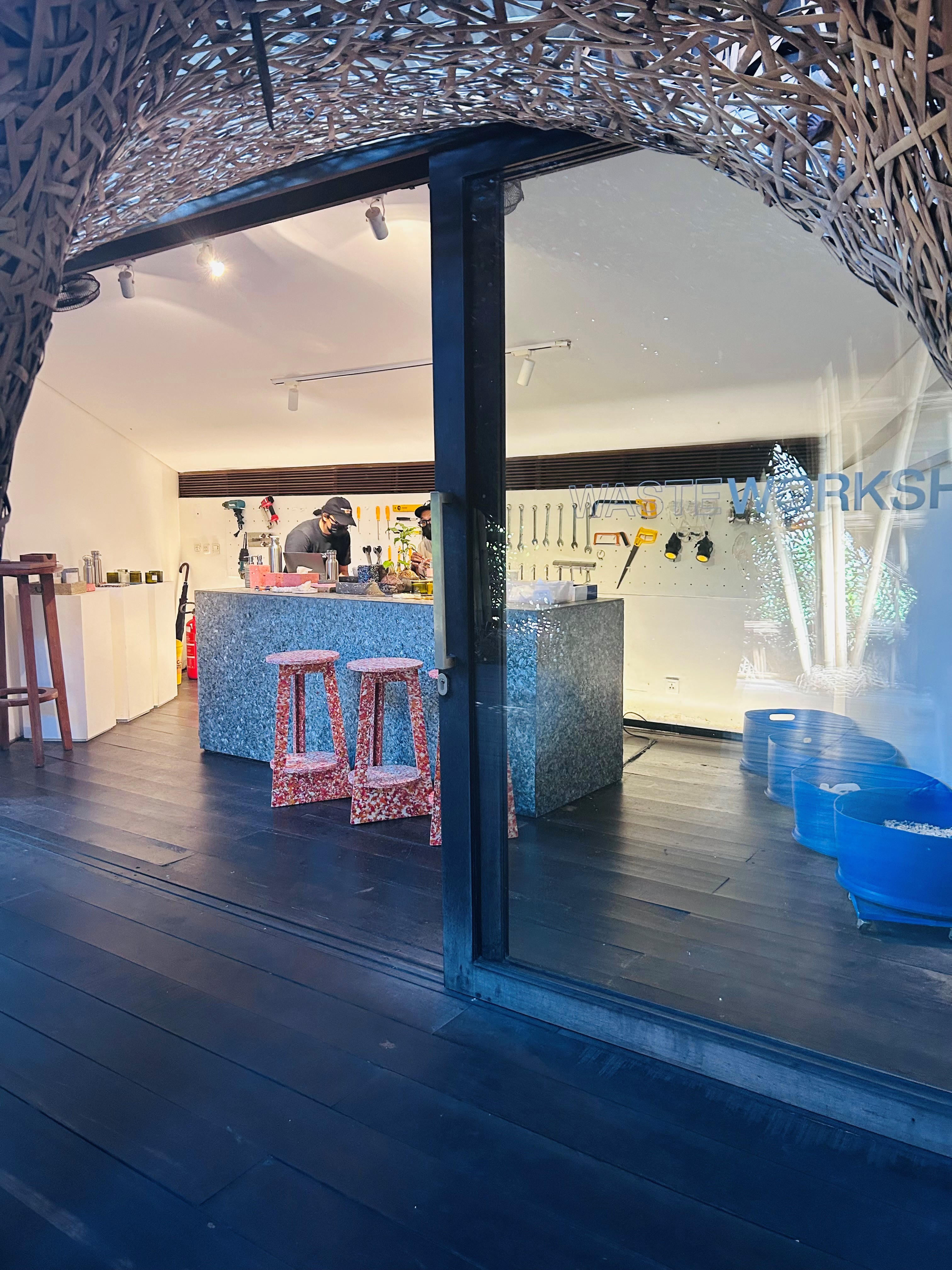
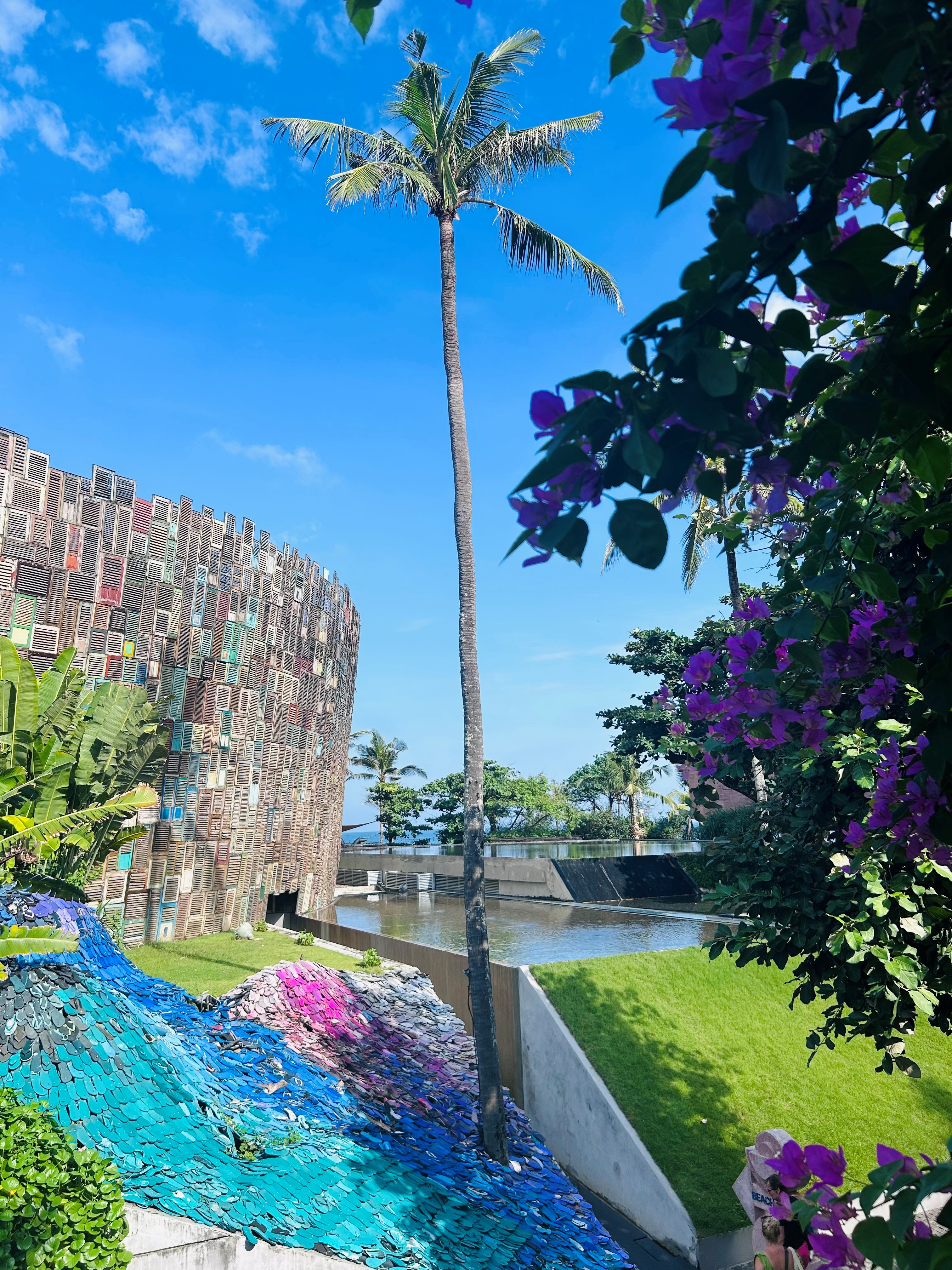
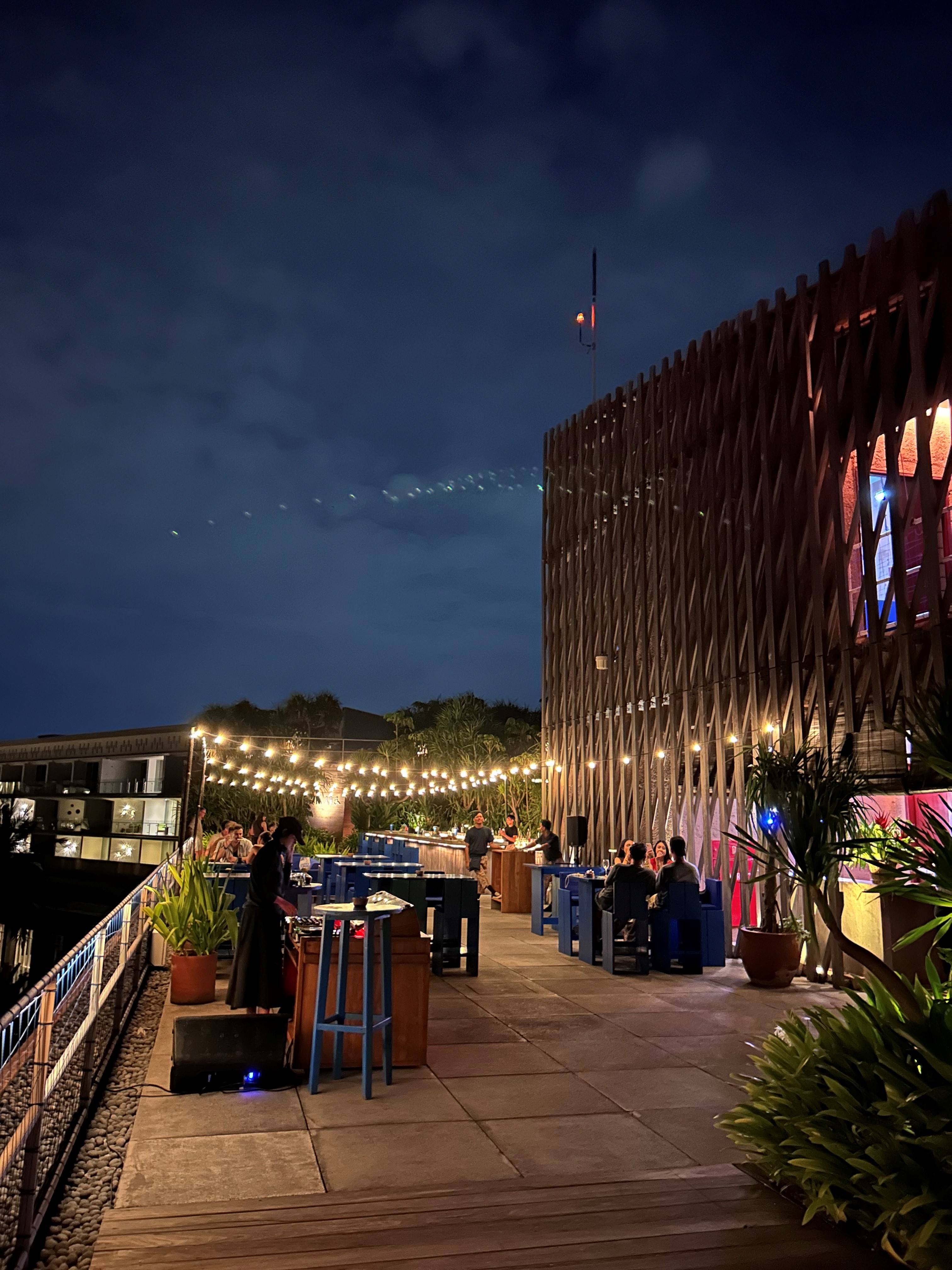
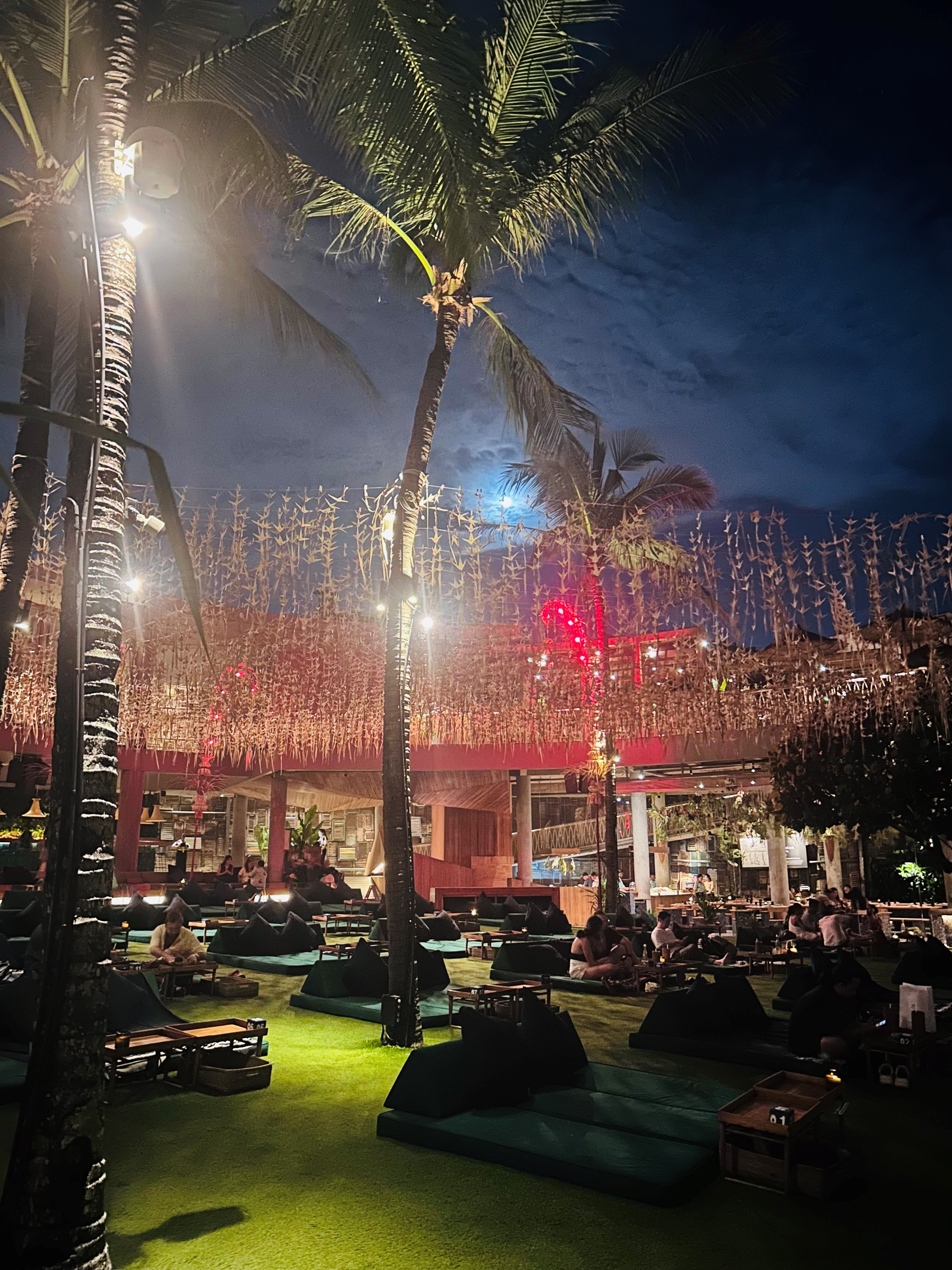
Today, Potato Head runs 14 bar outlets—including its iconic beach club that hosts around 1,500 guests daily—a 225-room hotel, a club, a one-hectare organic farm, and a Waste Lab that turns trash into treasure.
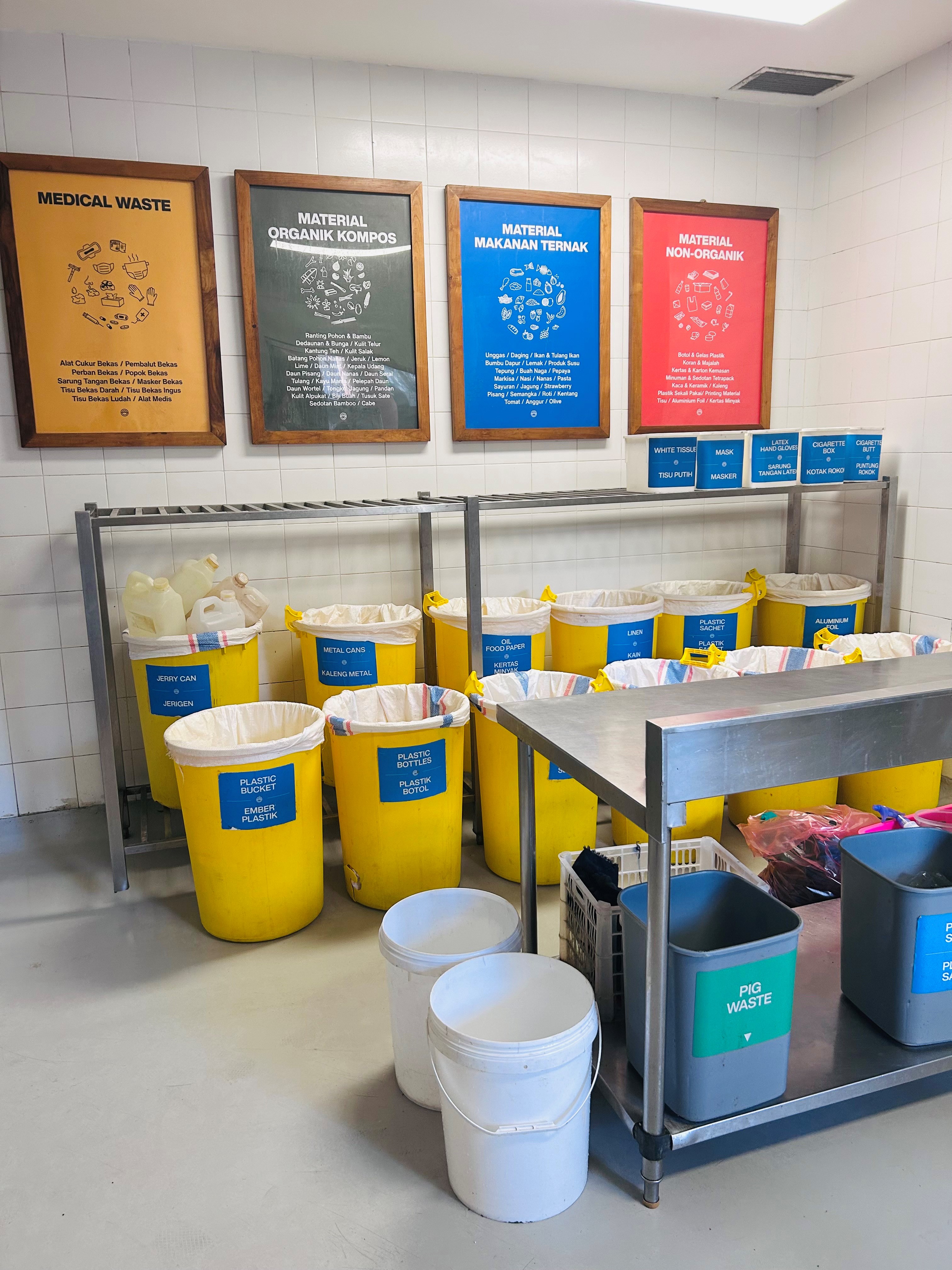
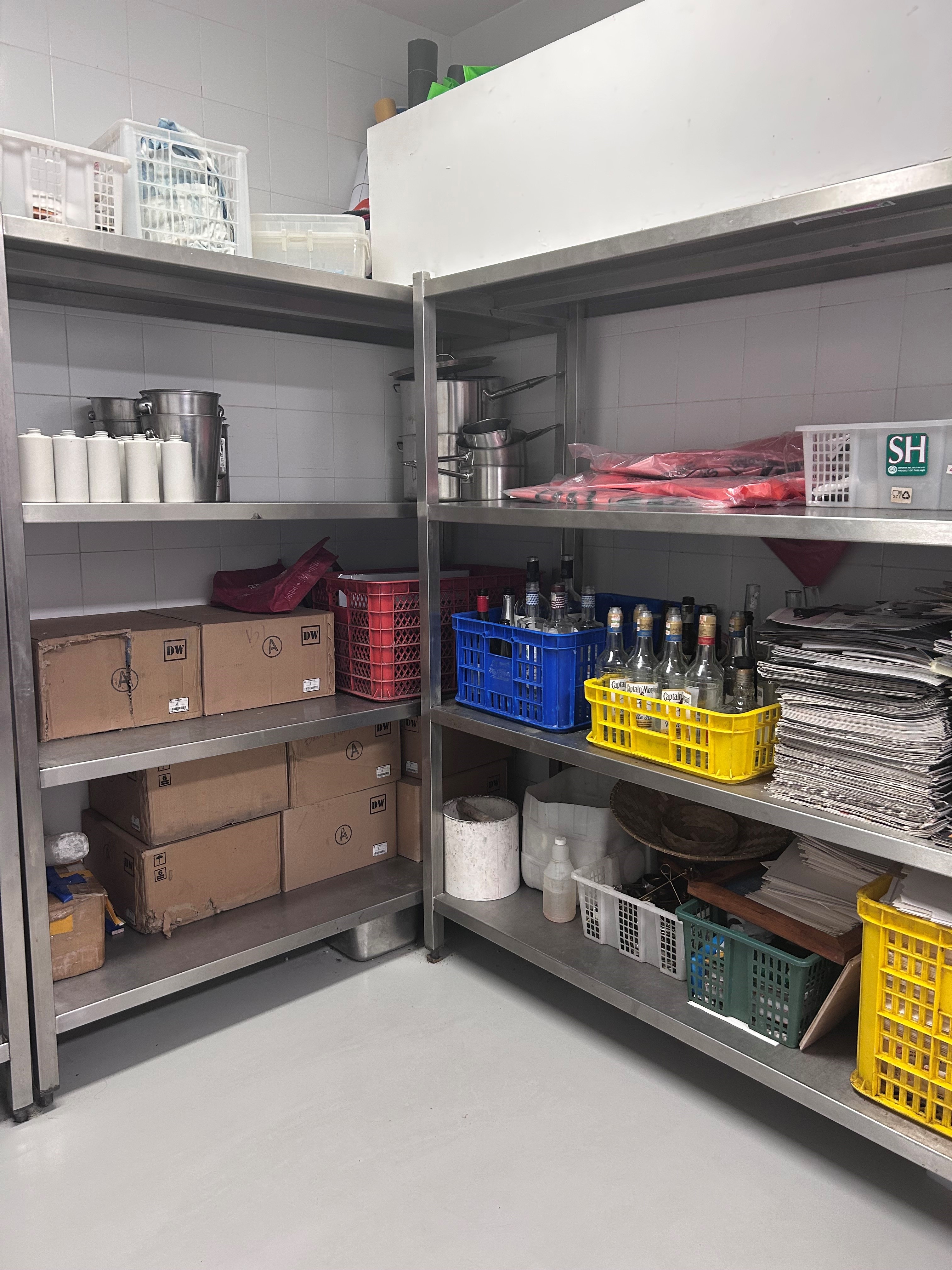
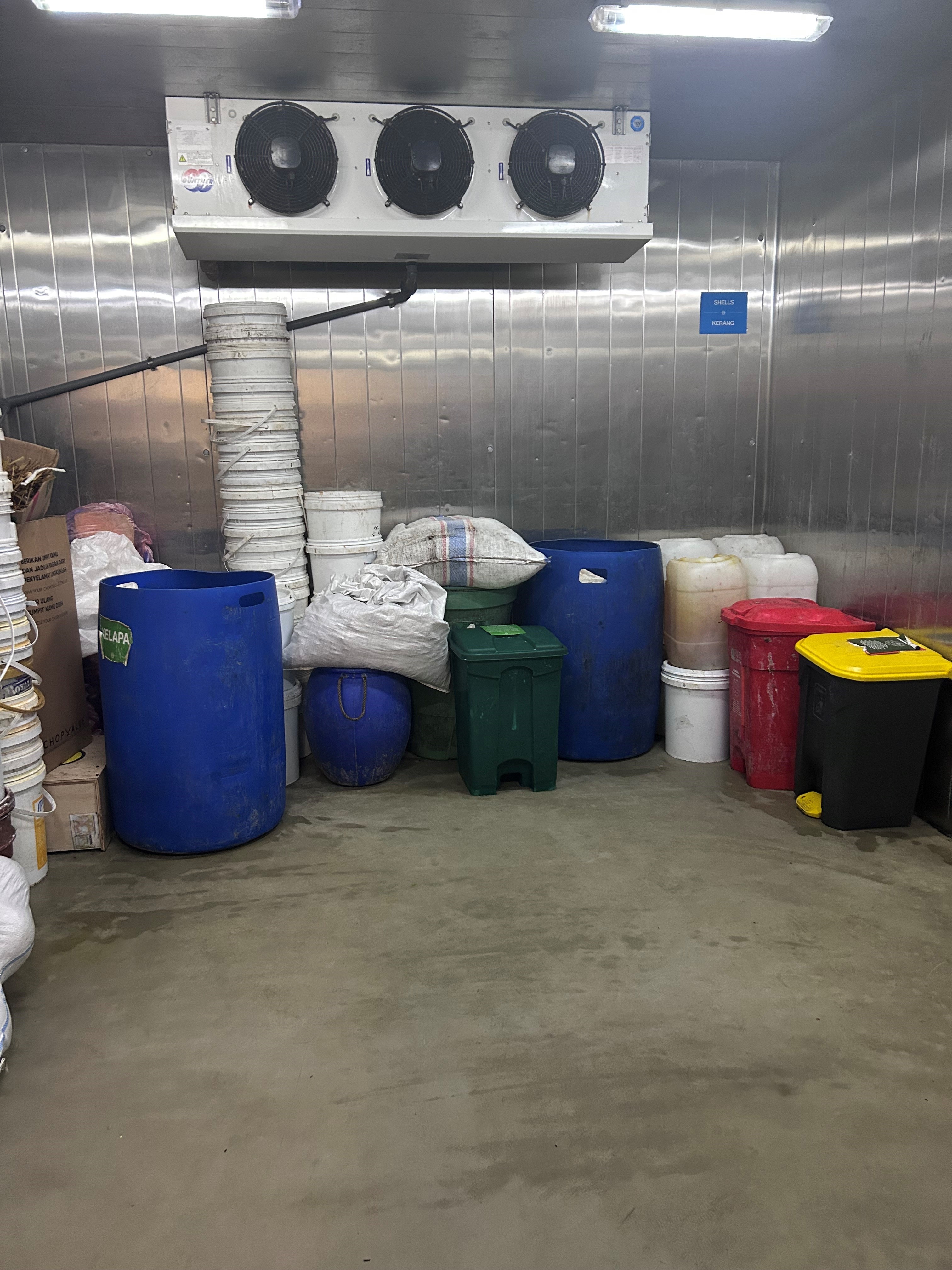
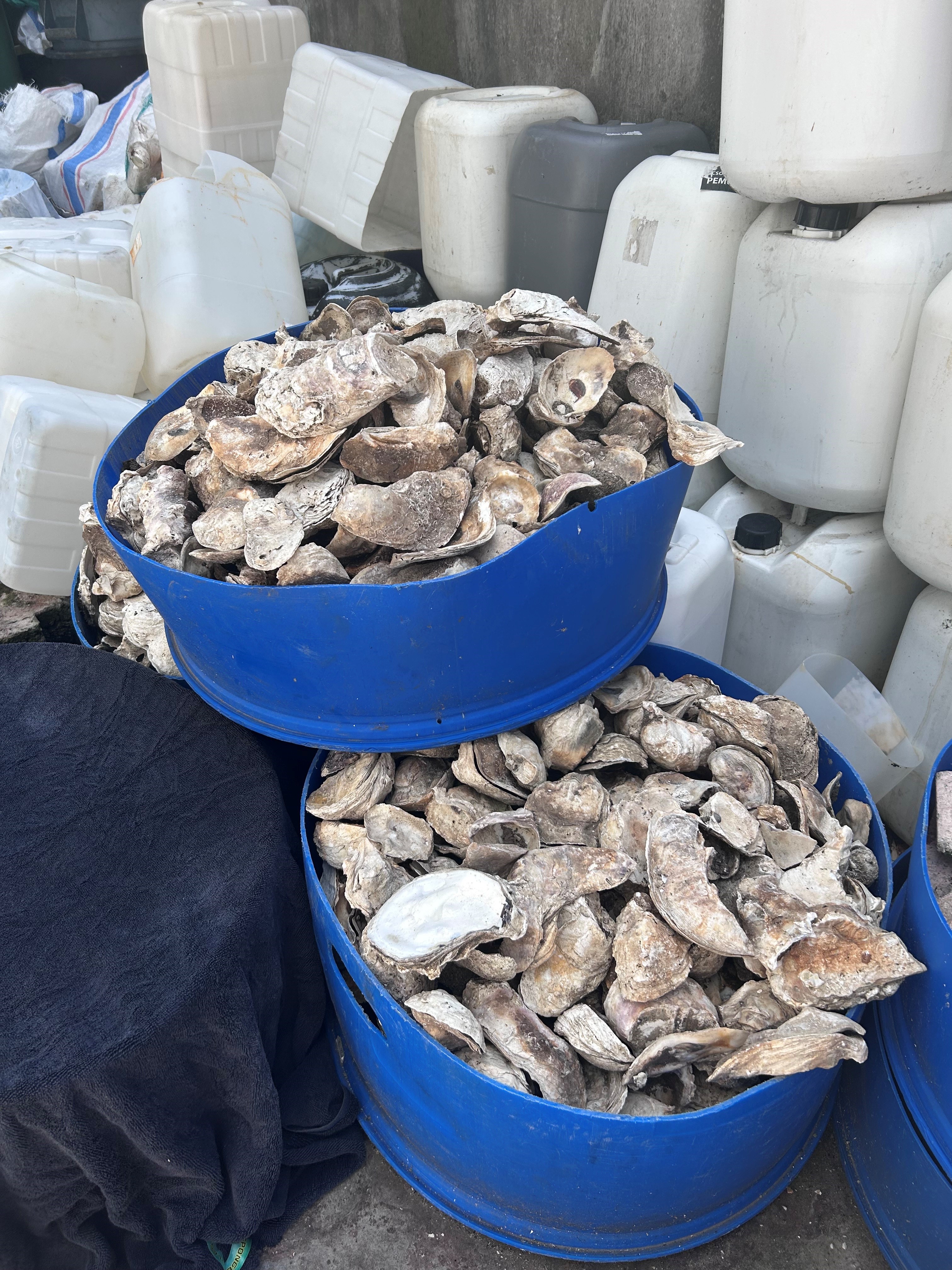
In collaboration with seven other hotels, Potato Head also launched a shared Waste Lab to raise sustainability standards across the island. The staff and their families are encouraged to use the Waste Lab as there is no formal waste separation system provided by the local government in Bali.
More than just a destination, it’s a regenerative ecosystem in action.







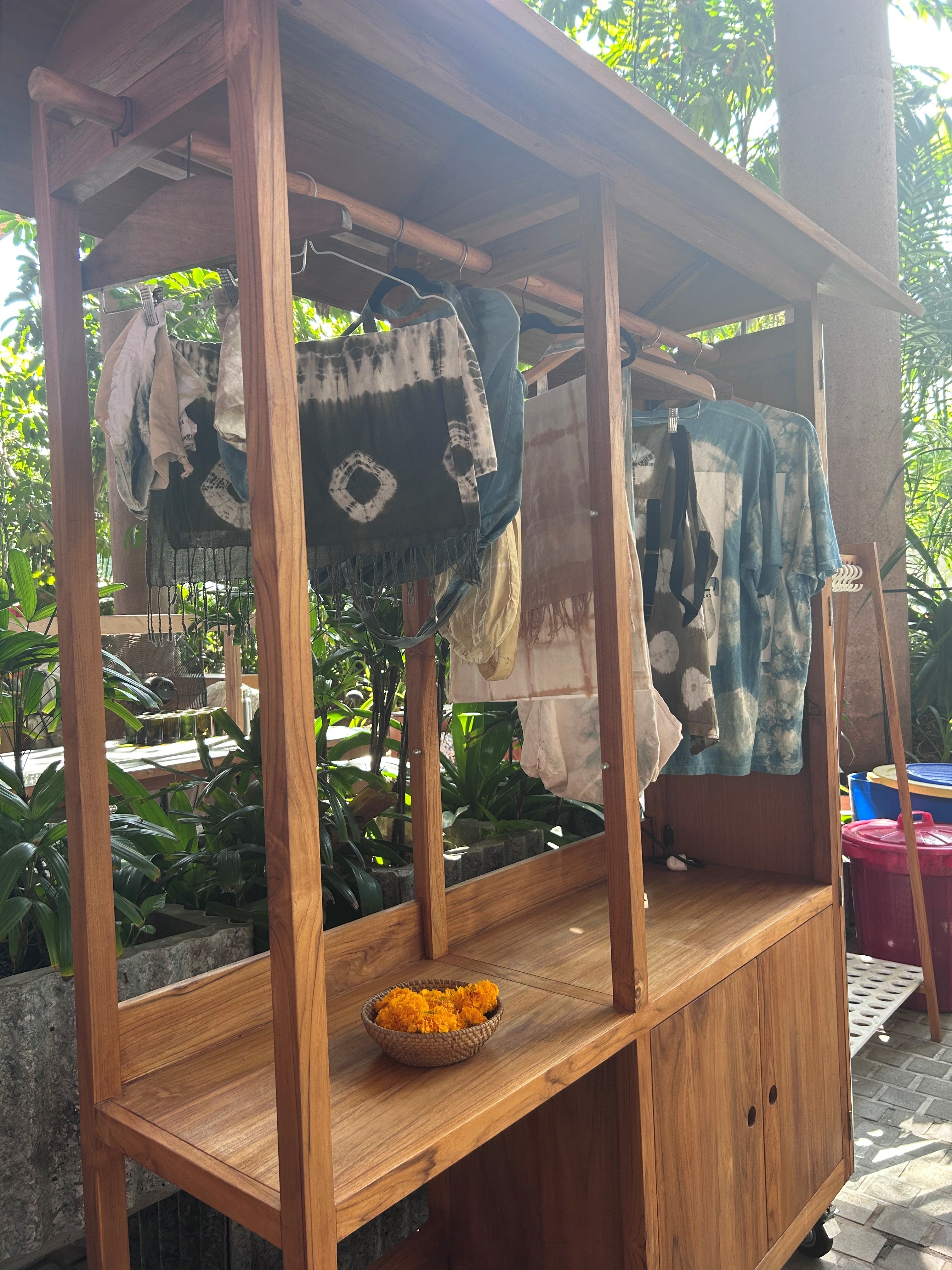
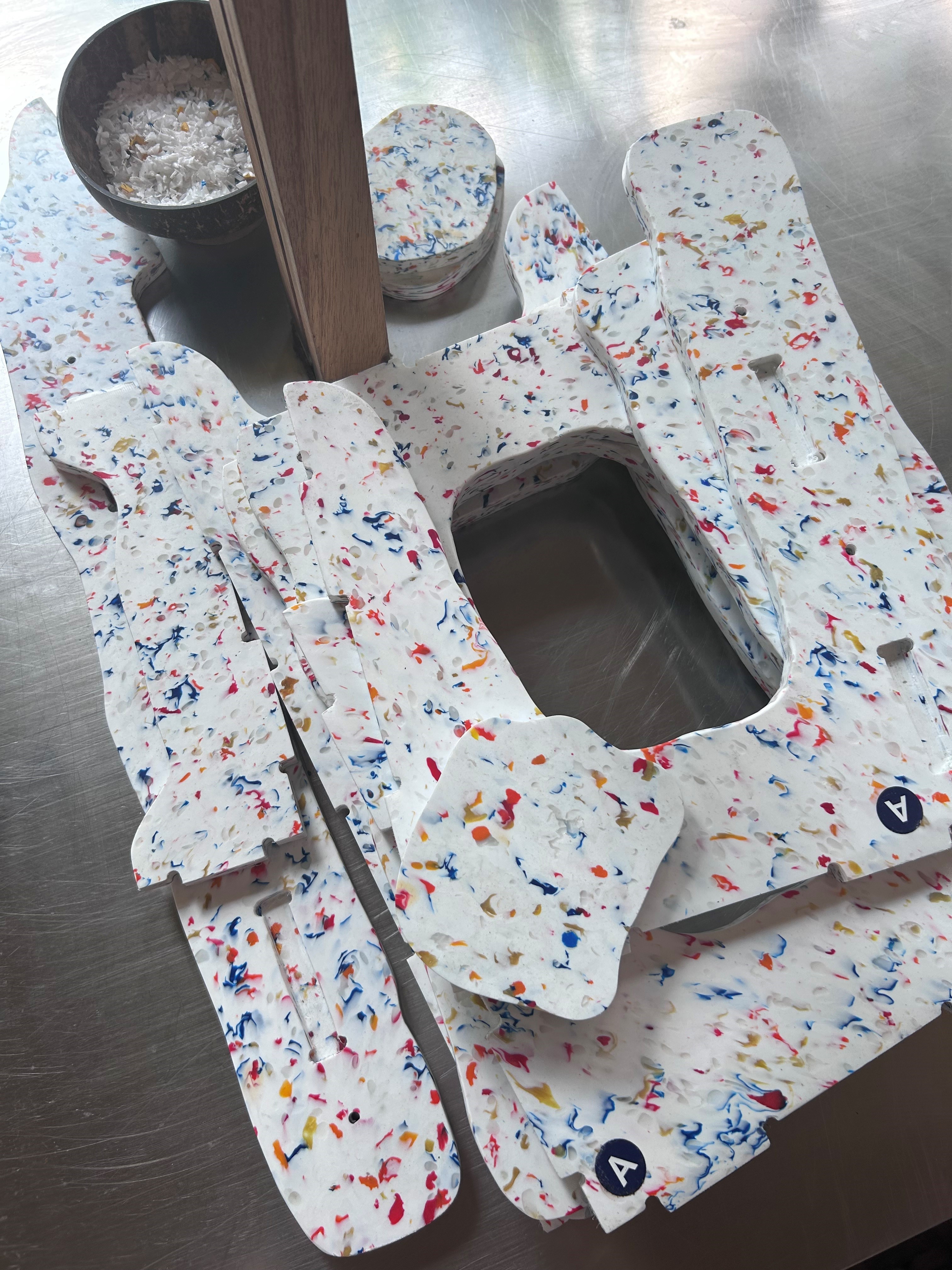
A Menu Rooted in Culture, Revived by Nature
The “Roots Revived” menu launching on the 10th of June for the beach club is a circular beverage program that reimagines waste as flavour. It features:
– 7 non-alcoholic drinks
– 5 house-made sodas
– 8 cocktails
– 4 sharing cocktails for groups
Each drink is crafted with upcycled ingredients, local botanicals, and traditional techniques. For example:
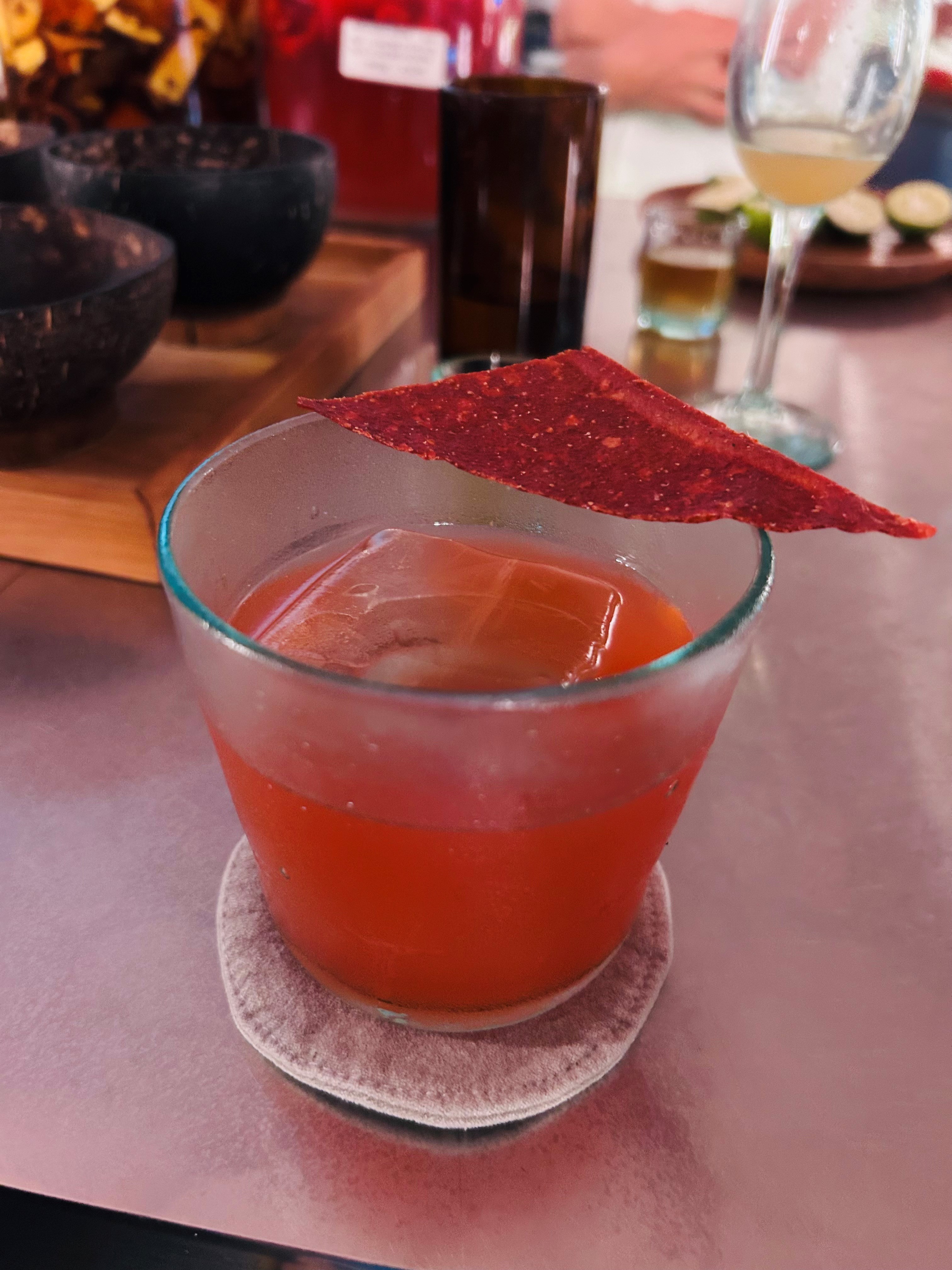
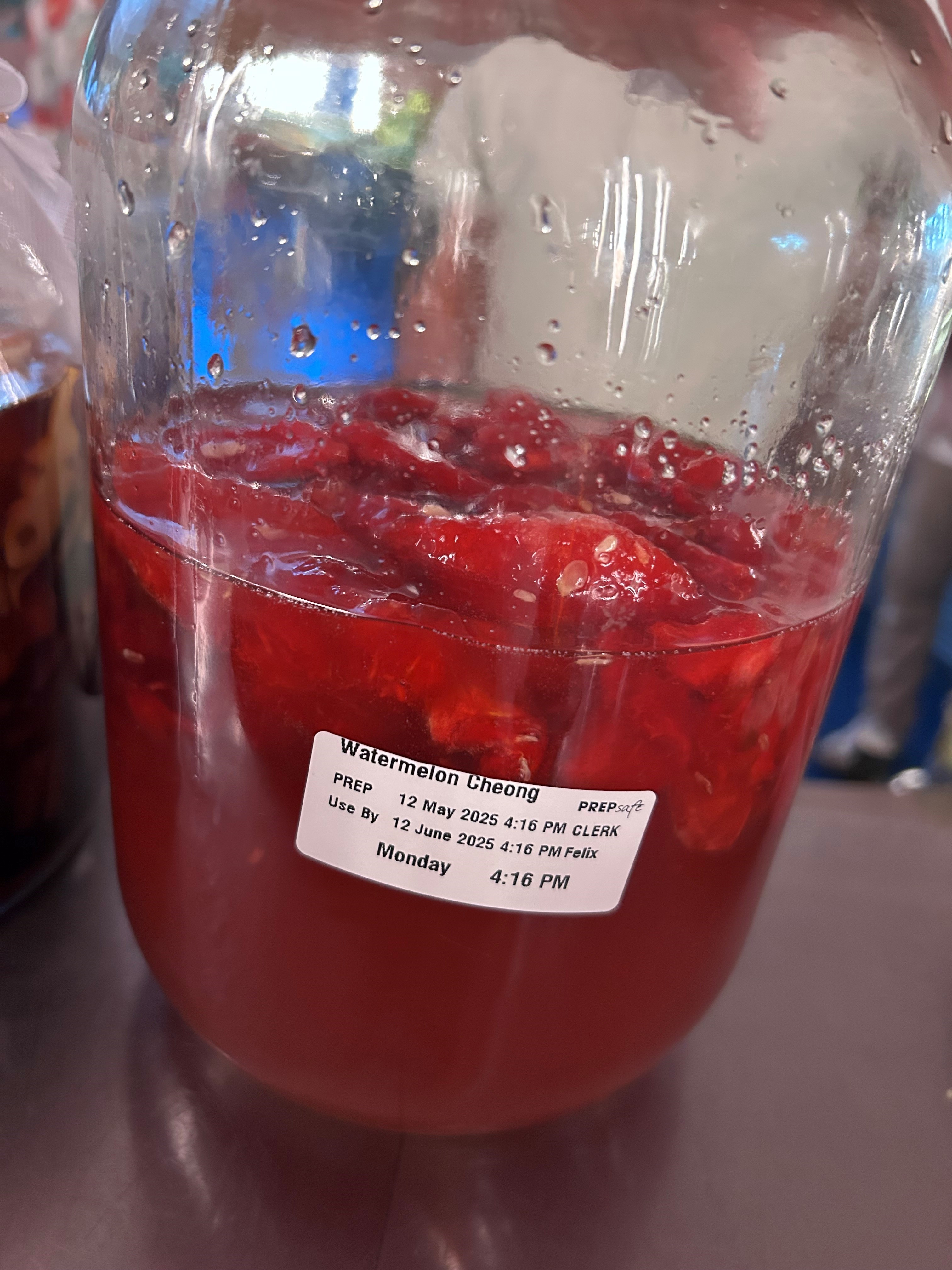
– Watermelon rinds are turned into syrup, Cheong (a Korean-style fruit preserve), and even candies.
– Avocado seeds, usually discarded, are repurposed into cocktail components.
– Citrus peels are used in infusions, reductions, and even in a house-made root cola.
The kitchen and the bars work closely together, and the group hired a German chef, Felix Schoener, who became the R&D Chef at Potato Head Bali in 2024.
He is a culinary innovator with a background in Michelin-starred kitchens around the world. His approach to food is rooted in both technical mastery and sustainability-driven creativity. At Potato Head, he leads the Research & Development (R&D) kitchen, where he transforms food waste into gourmet ingredients and experiences.
Felix doesn’t see food waste as a problem—it’s a playground for discovery. He uses traditional techniques like fermentation, curing, and drying to unlock new flavours from ingredients that would typically be discarded. His work is part of Potato Head ’s broader mission to become a zero-waste hospitality brand.
His signature Innovations are burnt bread kombucha, shoyu sauces made from egg whites and fish scales, cocktail ingredients from ginger pulp and stale bread, zero-waste cocktail components that align with the group’s sustainability ethos.
Felix’s work is about more than just reducing waste—it’s about redefining luxury dining. He believes that sustainability and flavour can coexist, and that the future of food lies in rethinking what we value in ingredients and preparation.
It’s an entirely new way of understanding what nature creates and how we can use it.
Felix is supervising the food program and is working closely with Bina Nuragga for the beverage program, a Balinese native, who began his career in the kitchen before discovering his passion behind the bar. Since joining Potato Head in 2014, he has become a key figure in the brand’s sustainability journey.
“I never imagined I’d end up behind the bar,” Bina says. “But once I started interacting with guests, I knew this was where I belonged.”
Today, he leads R&D and bar training, helping over 160 bartenders across the property understand not just how to mix drinks, but how to tell stories through ingredients.

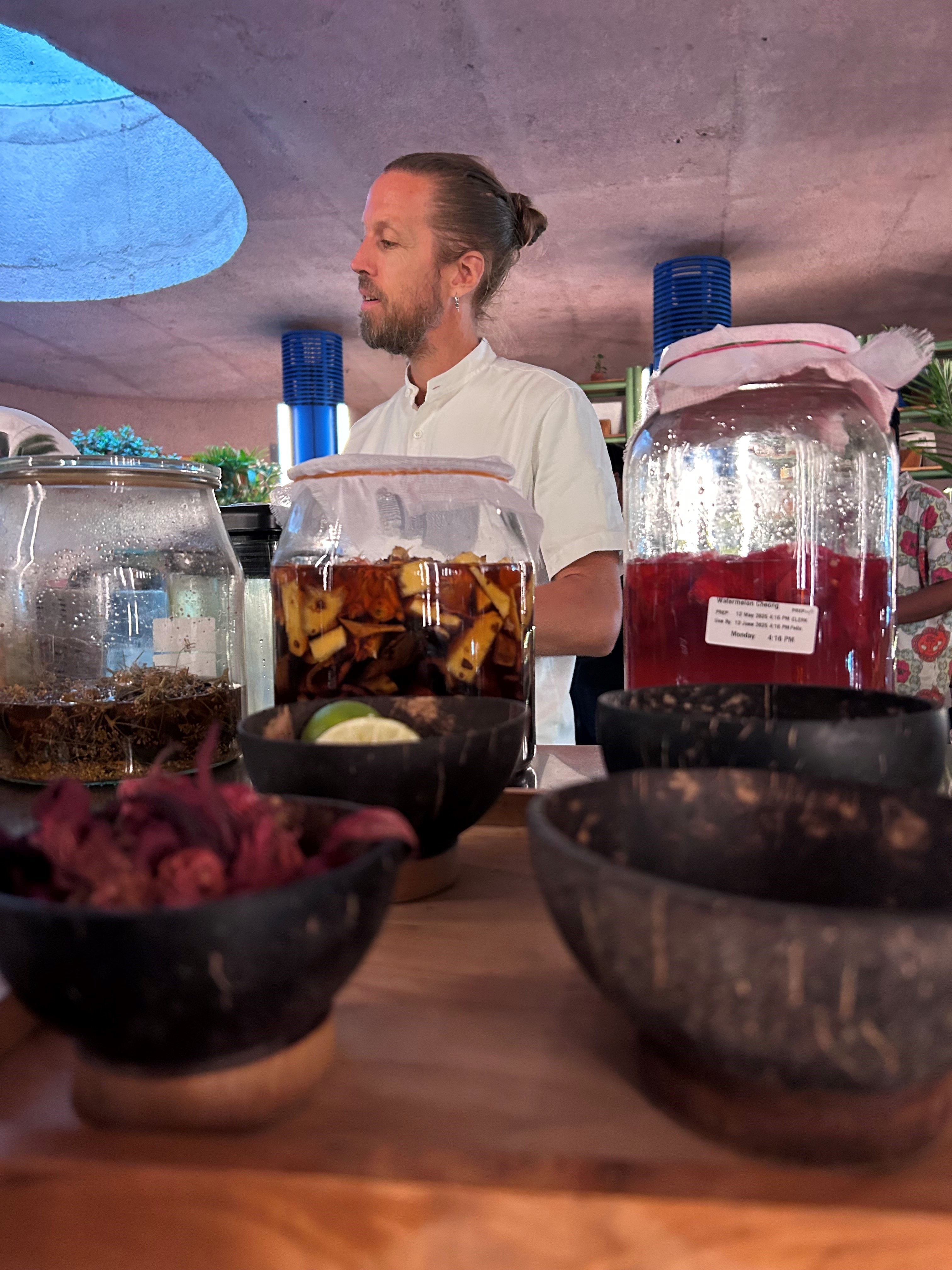

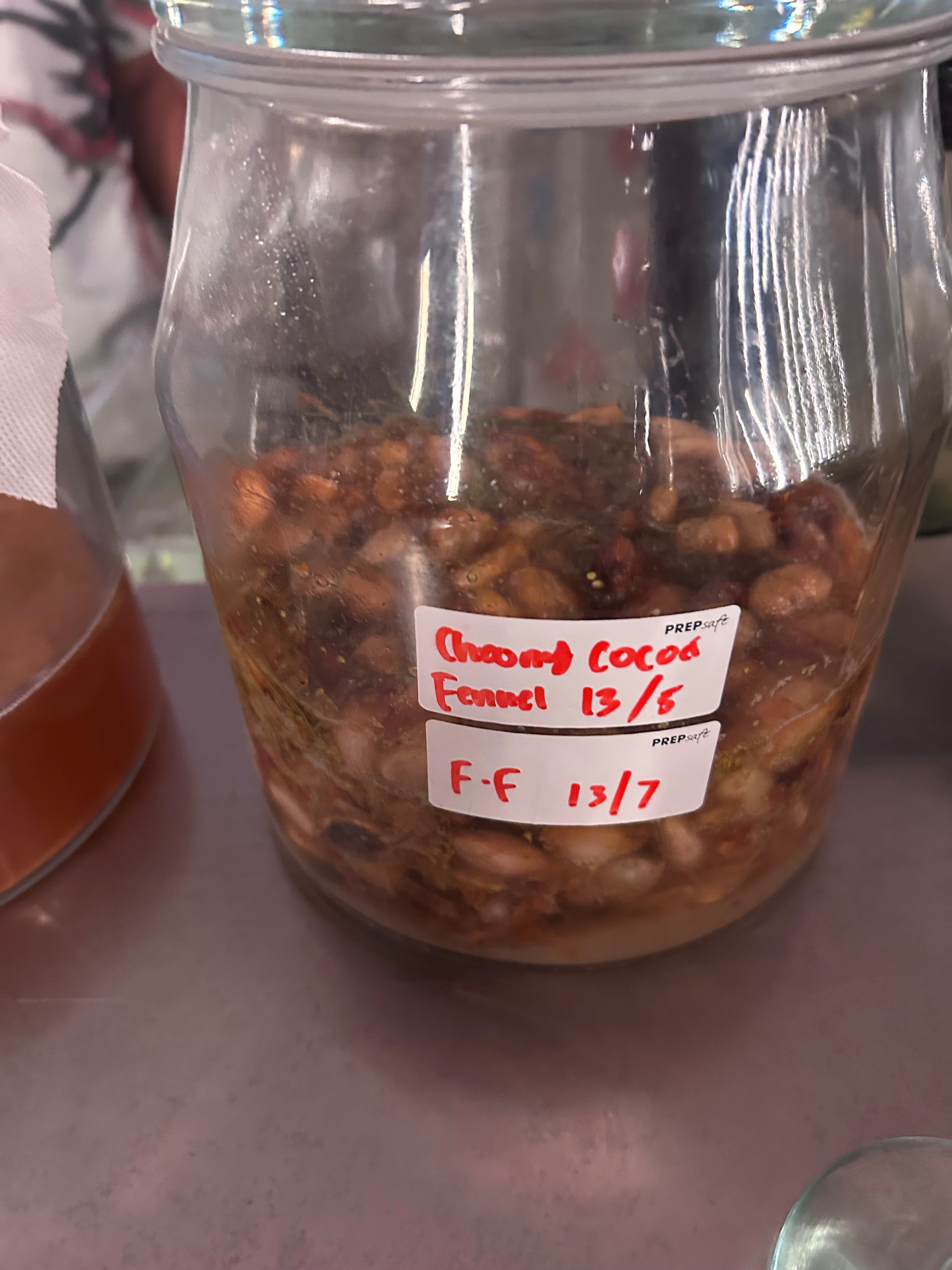
All the menus at Potato Head celebrate Indonesian ingredients and traditional wellness practices:
– Arak: A once-underground Balinese spirit, now legalized and standardized, used in 60–80% of cocktails. They also buy as much as local spirits and natural wine as possible.
– Chili rawit and big chili: used in spicy margaritas for a local twist.
– Rosella, cinnamon, nutmeg, and star anise: featured in the house-made root cola.
– Jamu: You could think it’s just a morning herbal tonic or mocktail made with turmeric, ginger, galangal, and lemongrass, and it’s a centuries-old herbal tradition from Java created and used by village healers as a prayer for good health, that you can enjoy every morning on the breakfast menu at Potato Head. Since 2019, it has been recognized by UNESCO as part of the Intangible Cultural Heritage of Humanity.
Jamu: here is the list of Jamus, freshly made at the desa (desa means village in Bahasa Indonesia)
Balance: ginger, turmeric, galangal, lemongrass, pandan leaves, black pepper, cinnamon, cloves, lime, coconut palm sugar detoxifies and contains anti-ageing properties
Energy: ginger, turmeric, lemongrass, pandan leaves, black pepper, cinnamon, cloves, lime detoxifies and boosts energy
Beras Kencur: kaempferia galangal, brown rice, ginger, turmeric, cinnamon, black pepper, coconut palm sugar soothes, revitalizes and aids weight loss
And for the techniques:
– Fermentation: used to create kombuchas, tepache, and vinegars from fruit scraps like pineapple skins and mango peels. These fermented bases add depth and complexity to drinks.
– Cheong (청): a Korean preservation method where fruits are mixed with sugar in equal parts (or 1.2:1 for high-sugar fruits) to create a syrup without cooking. This technique is used for watermelon rind Cheong, which becomes a base for sodas and cocktails.
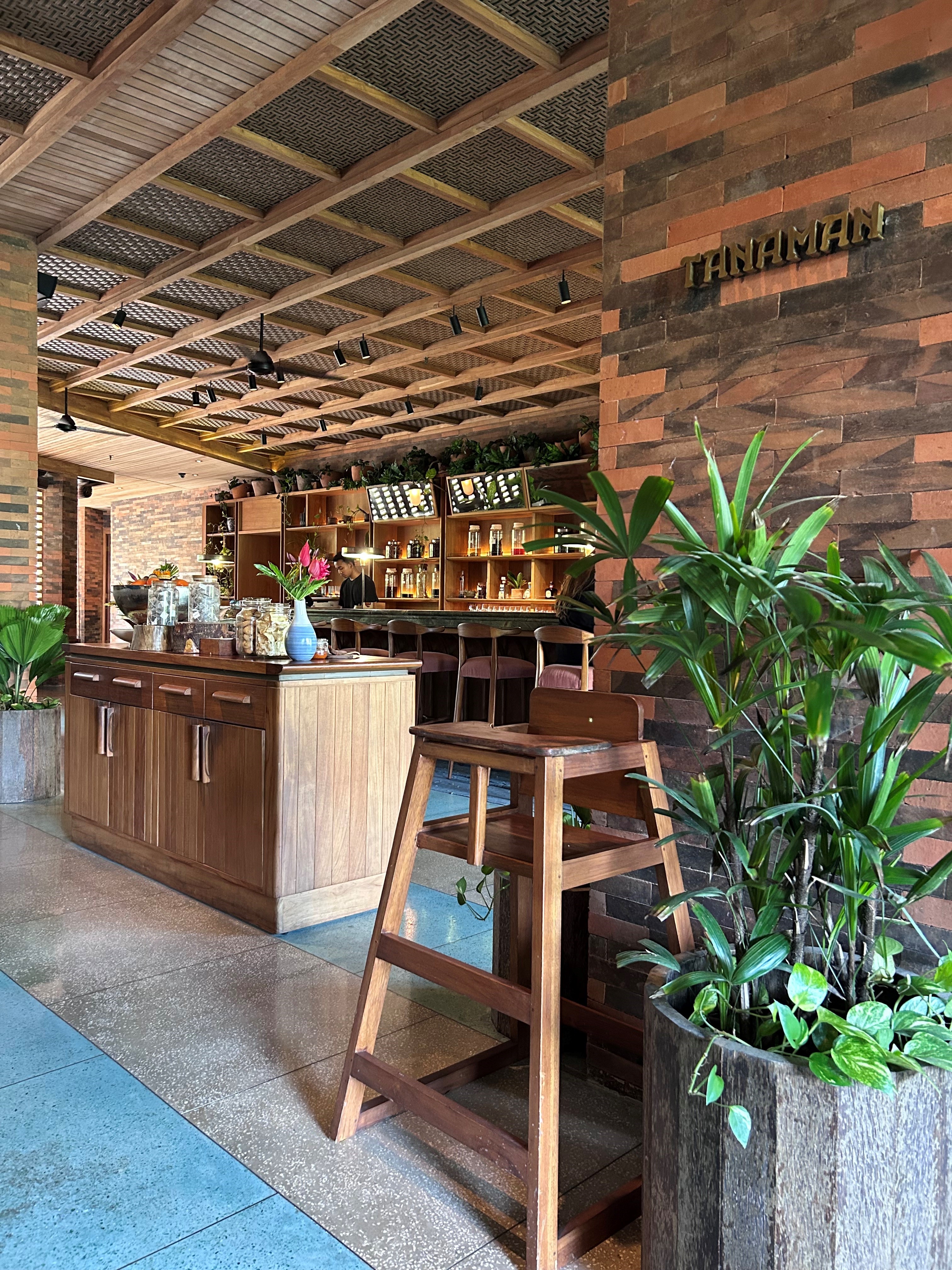
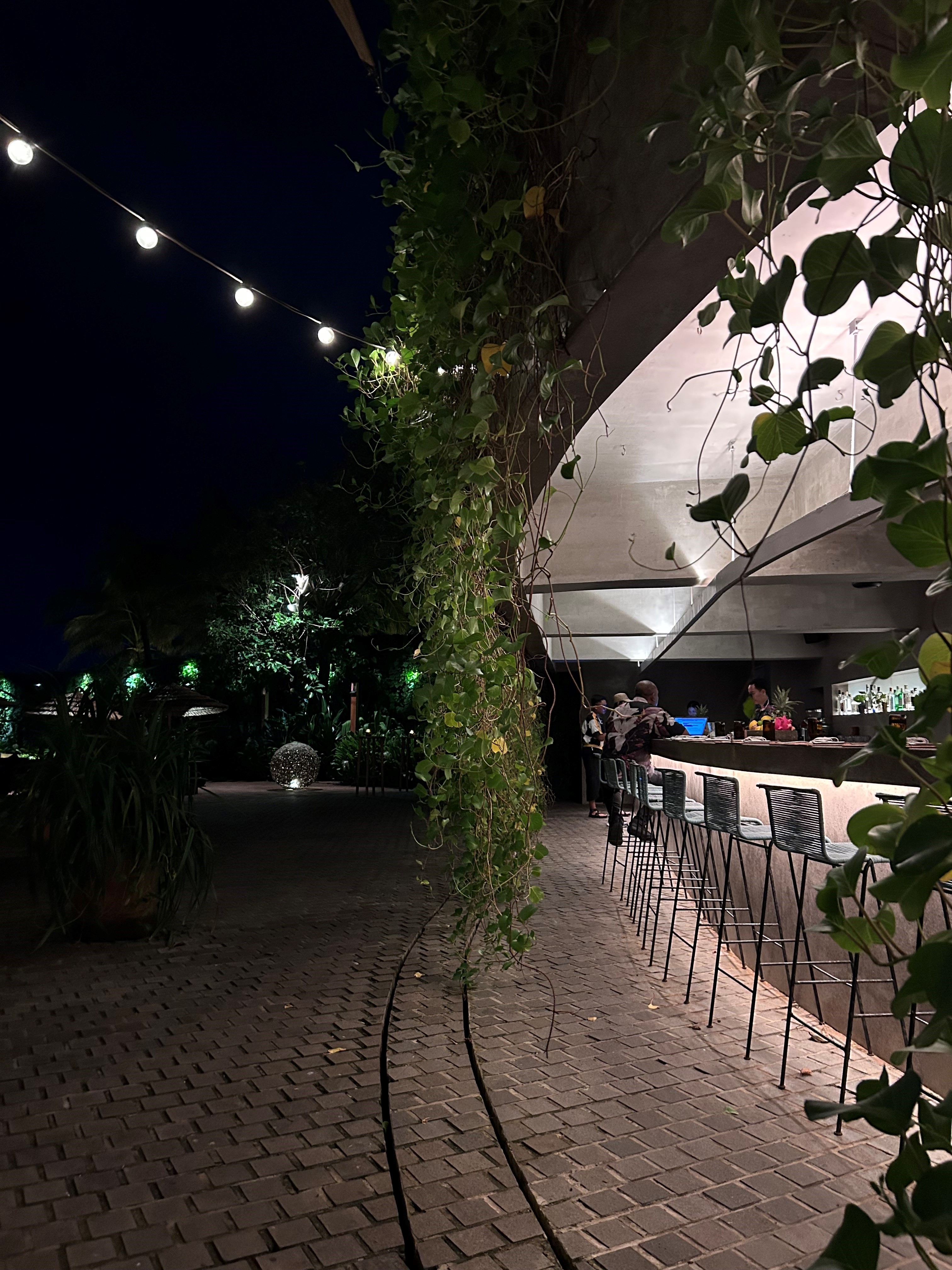
– Clarification: applied to juices and infusions to improve clarity and shelf life. This technique is used in bars like Tanaman, Sunset Park, and Dome.
– Fat-Washing: used to infuse spirits with rich flavours from ingredients like coconut or spices, while maintaining a smooth texture.
– Infusions and Reductions: herbs, spices, and peels are infused into spirits or reduced into syrups. For example, citrus peel, lemongrass, and pandan leaves are used in both cocktails and Jamu.
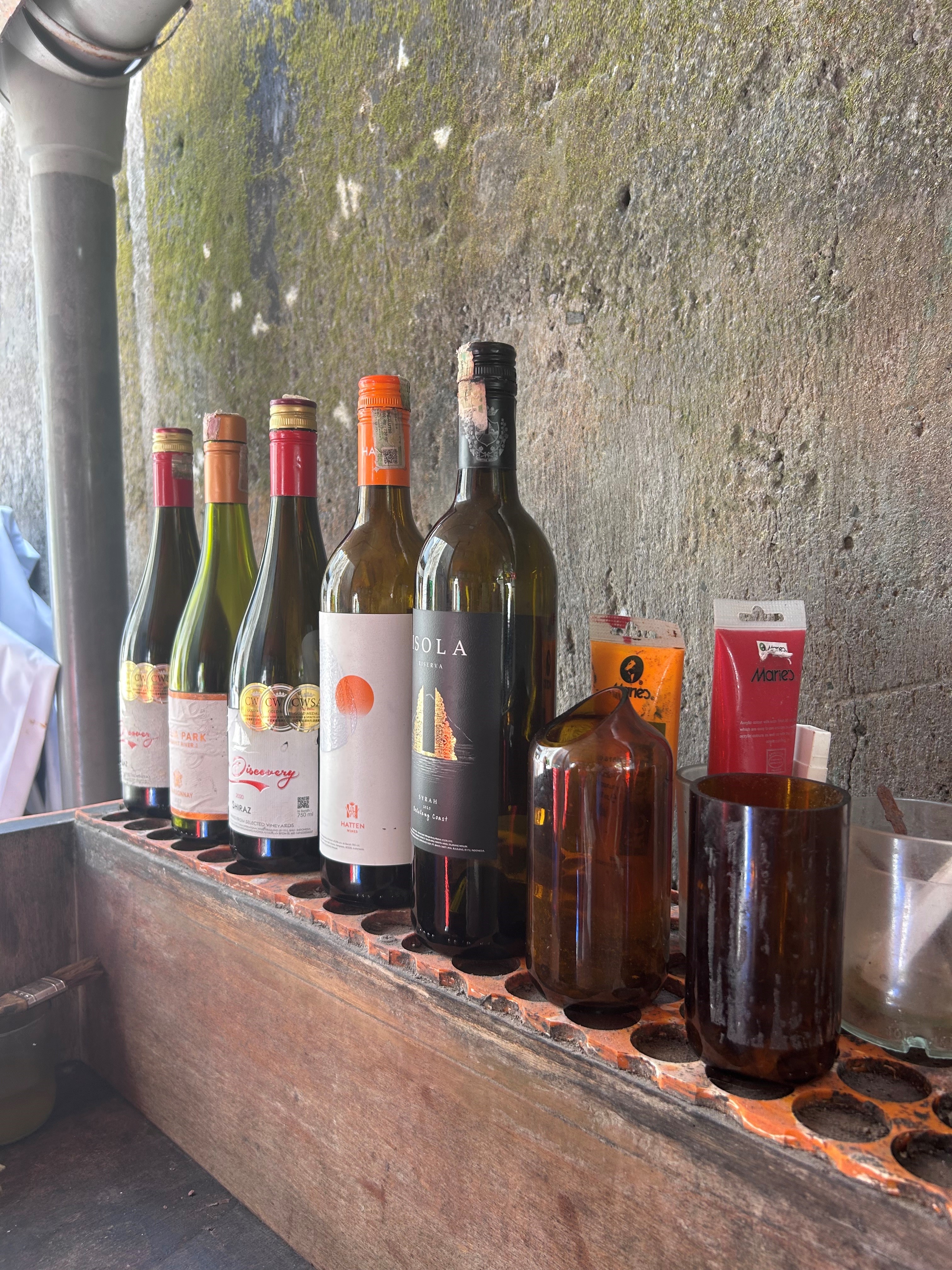
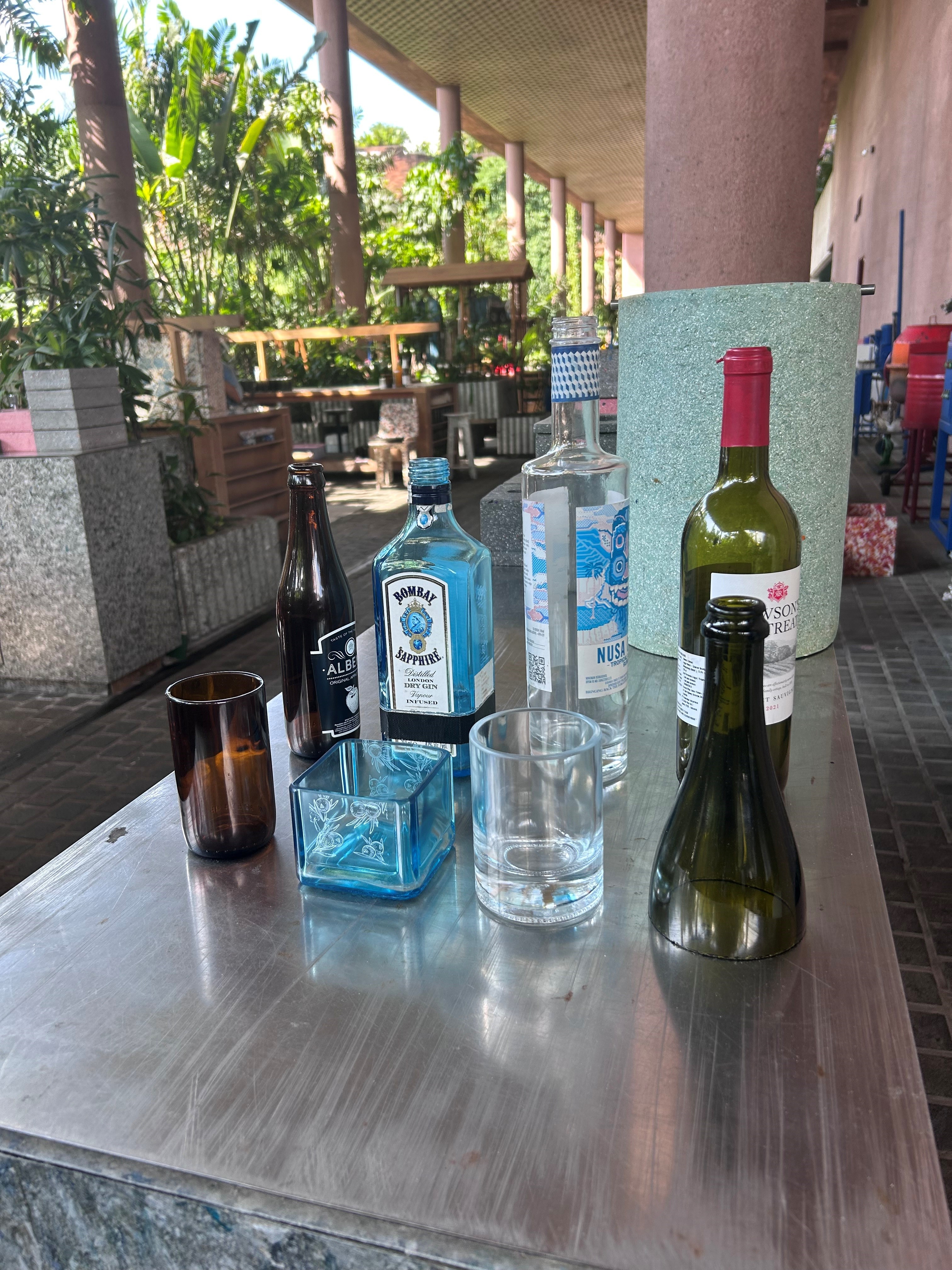
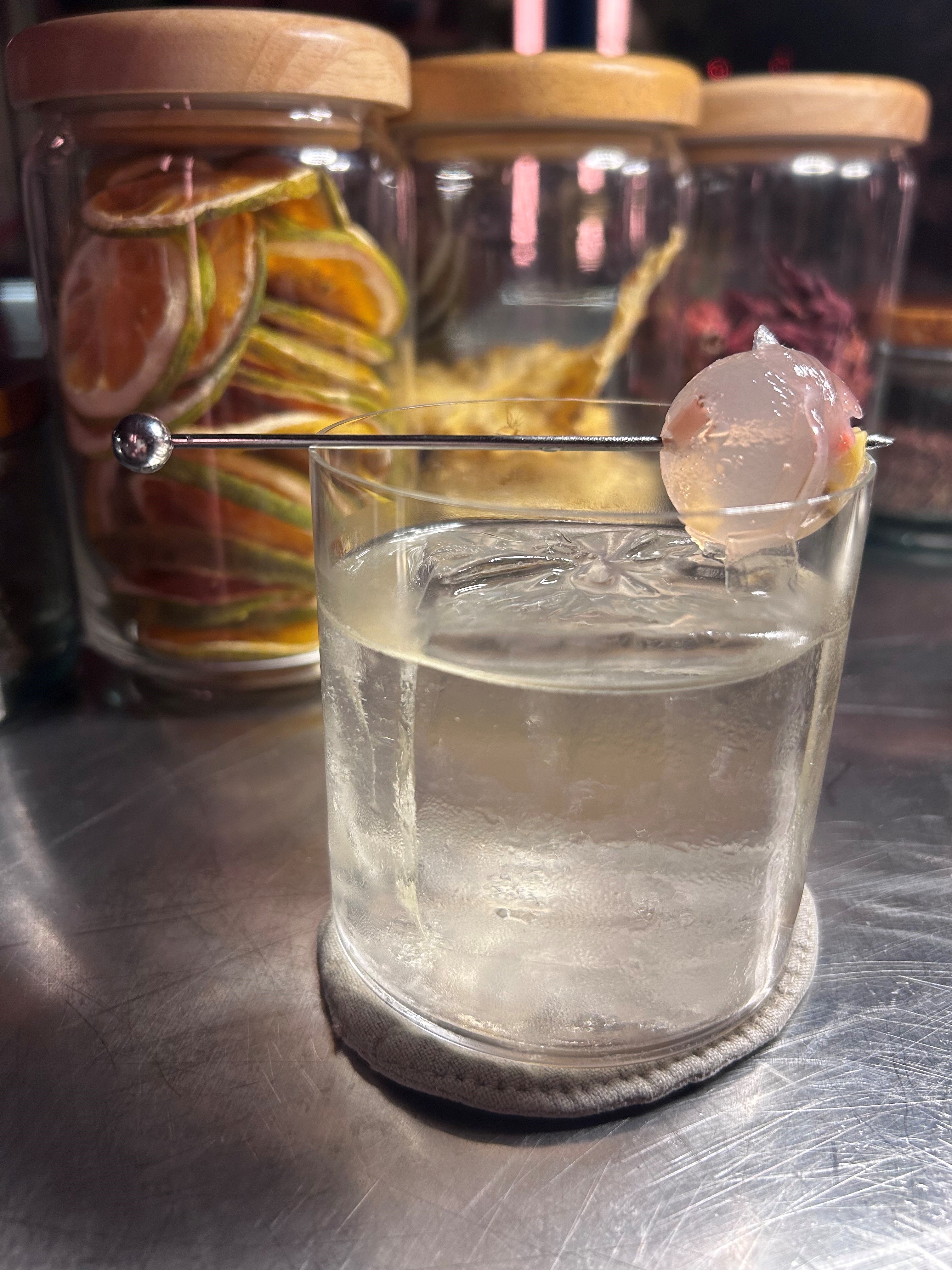
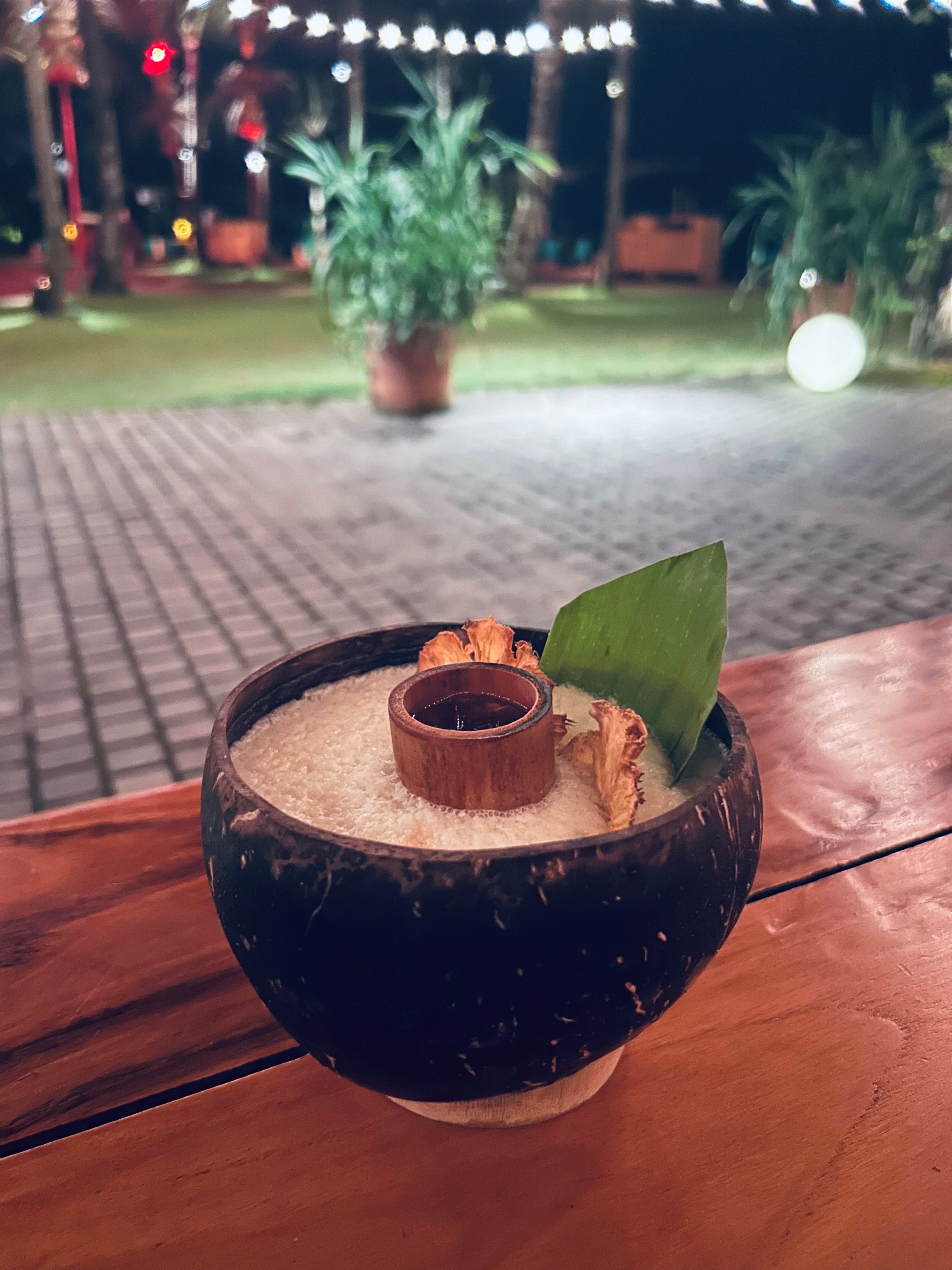
+ Recycled Glassware: drinks are served in coconut shells, repurposed spirit bottles, and Seki glassware —a Japanese technique using recycled materials.

The Beach Club menu is divided into 3 sections:
- Nol as in no alcohol
jamu elixir: jamu kunyit asam, coconut water, palm nectar, lime
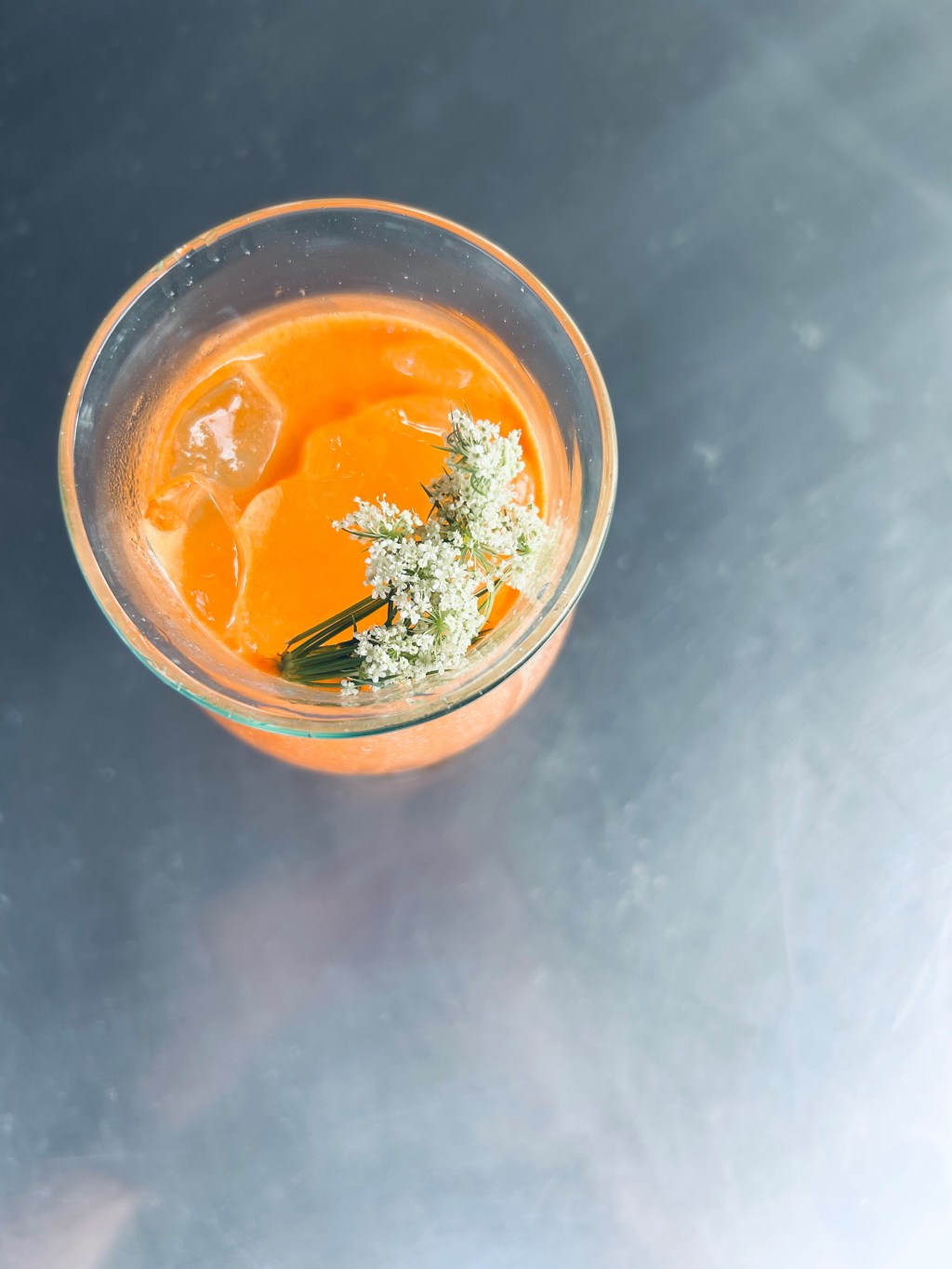
vitamin sea: carrot, mesoyi bark, kintamani orange
- The homemade soda and low alcohol (you can add a shot of liqueur for a low abv cocktail)
Bali roots cola: homemade roots cola mix, coconut water, palm sugar + add nusa caña spiced island rum
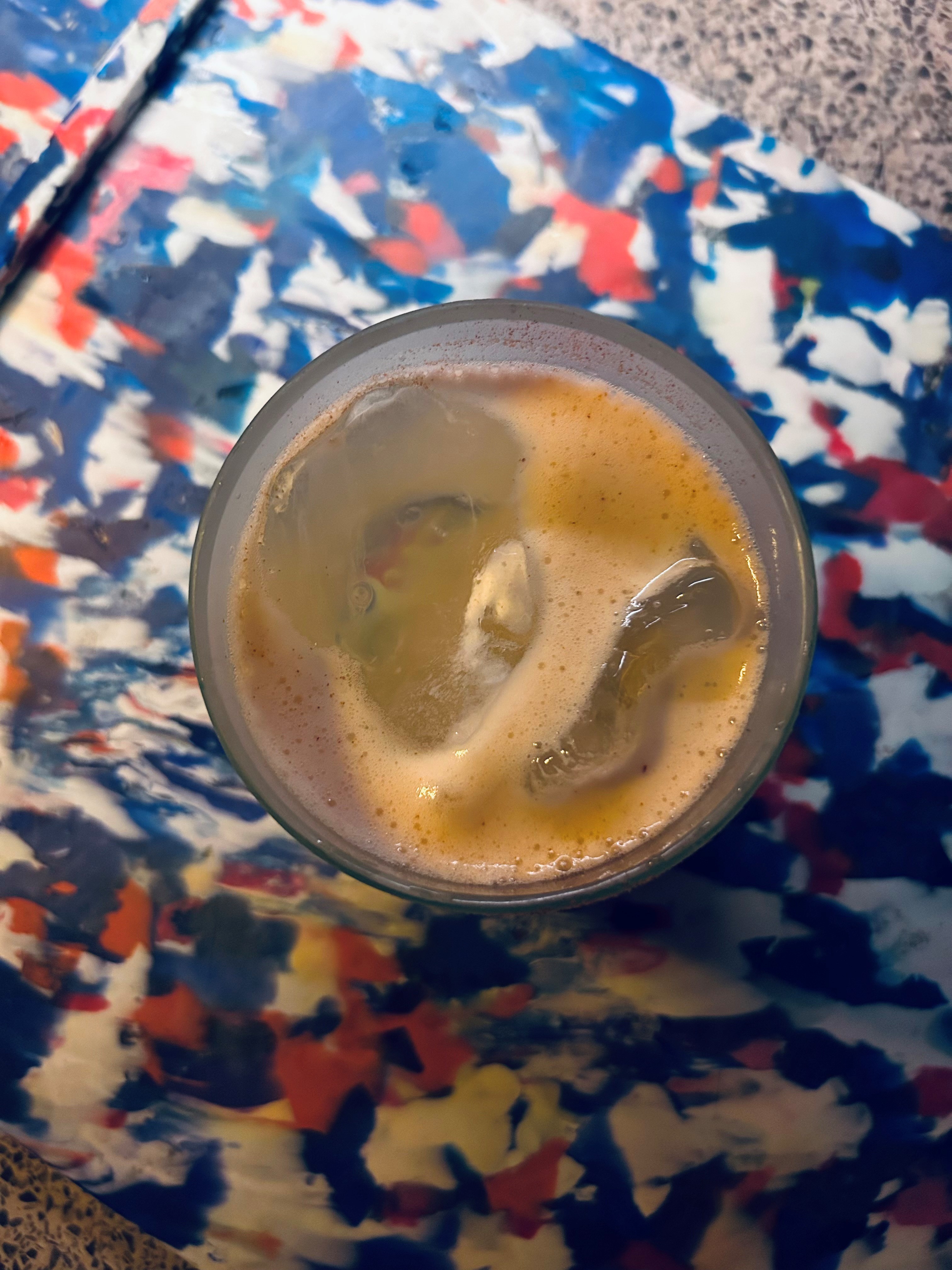
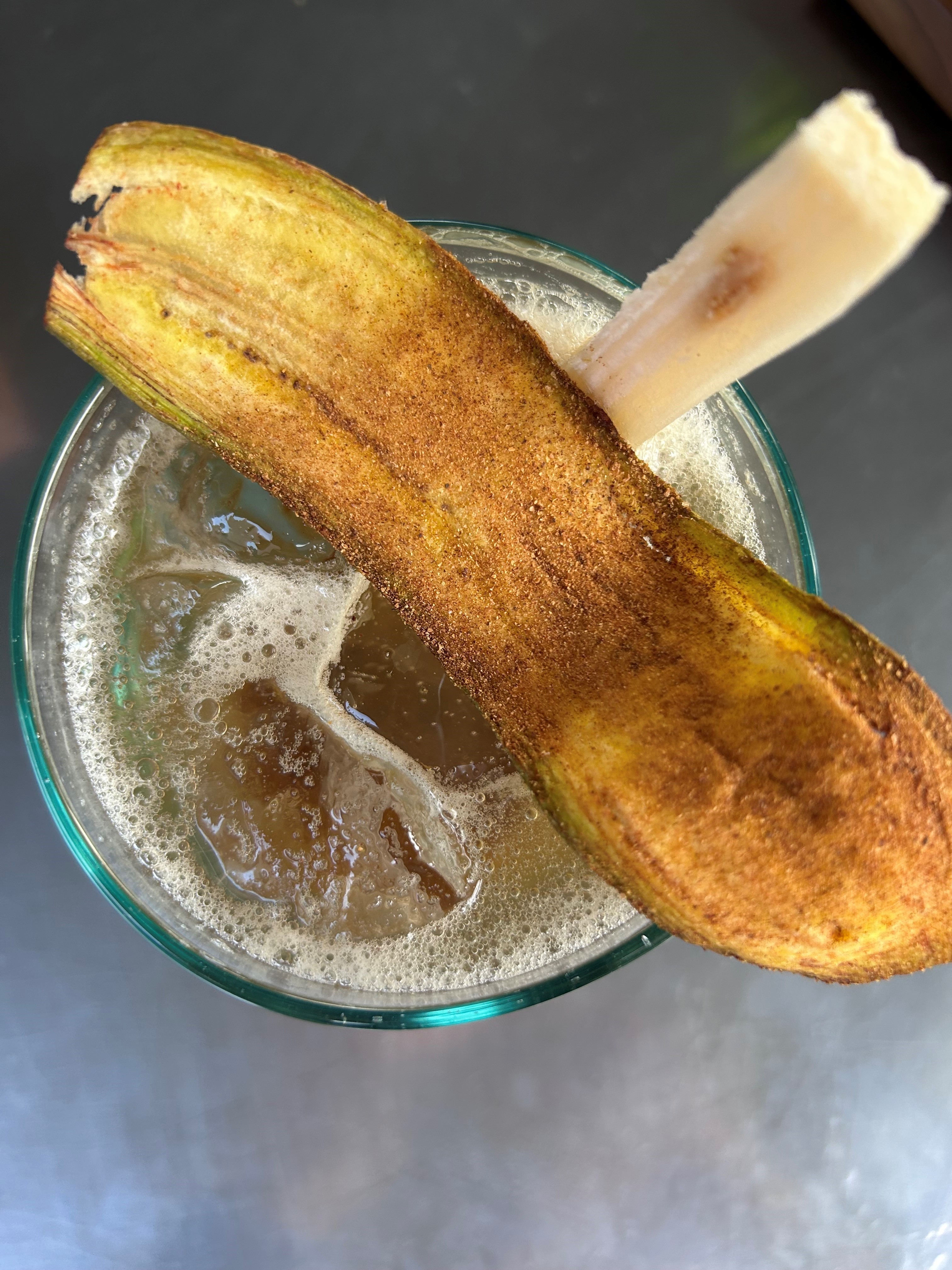
Banana coffee tonic: banana peel and coffee ground saccharum, homemade tonic water + add palapa nutmeg liqueur
- And cocktails made in-house with mostly local ingredients
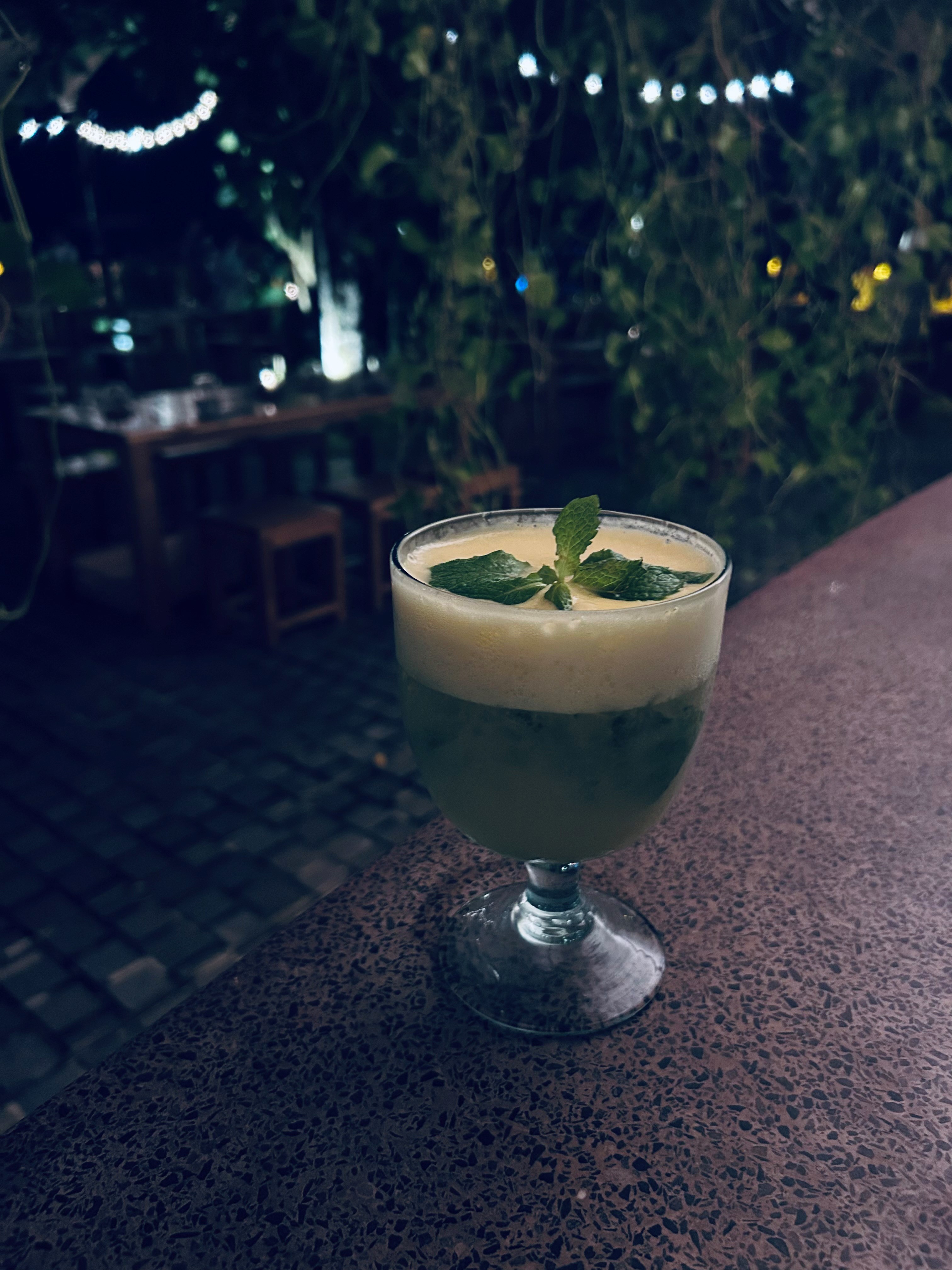
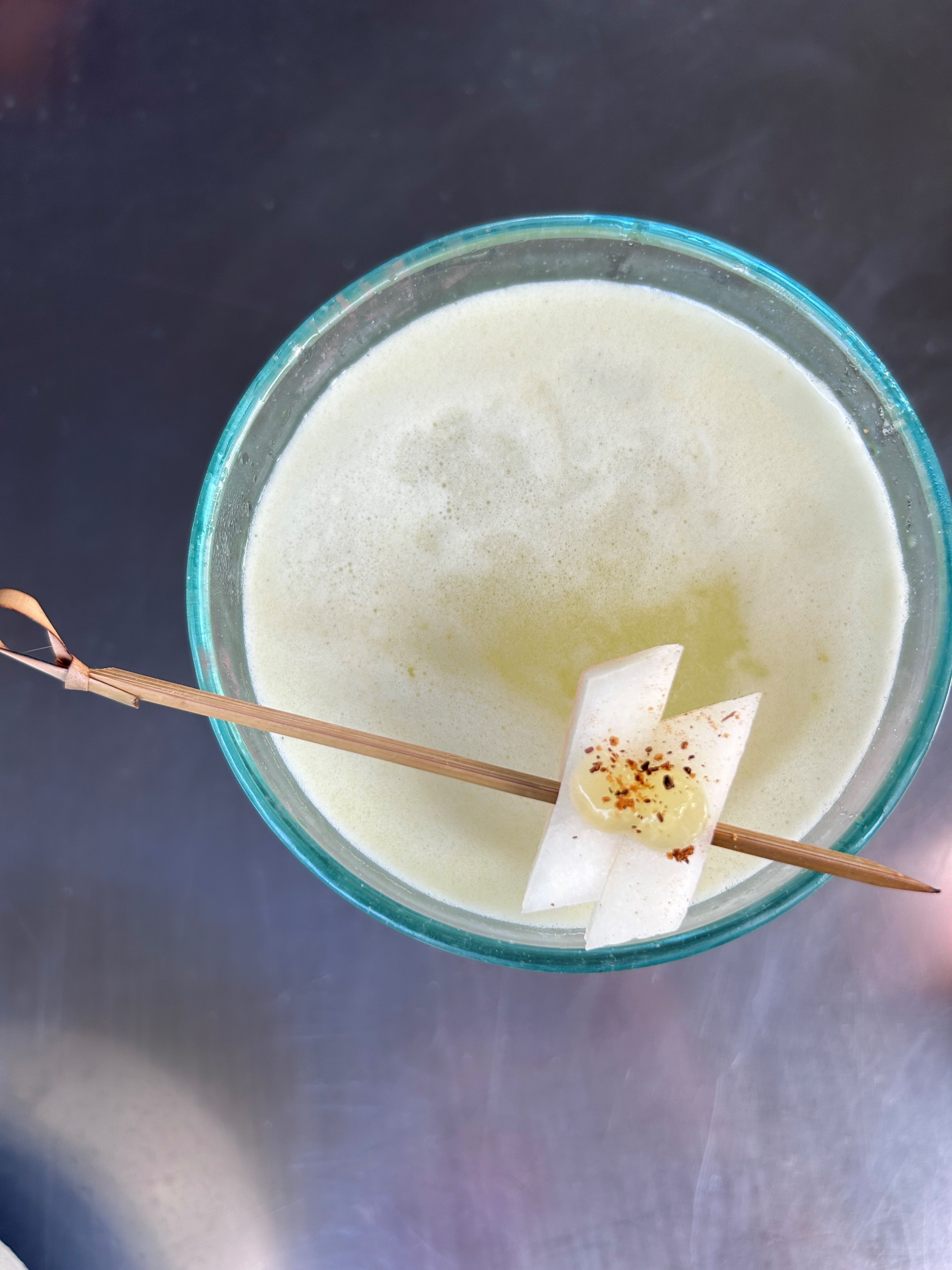
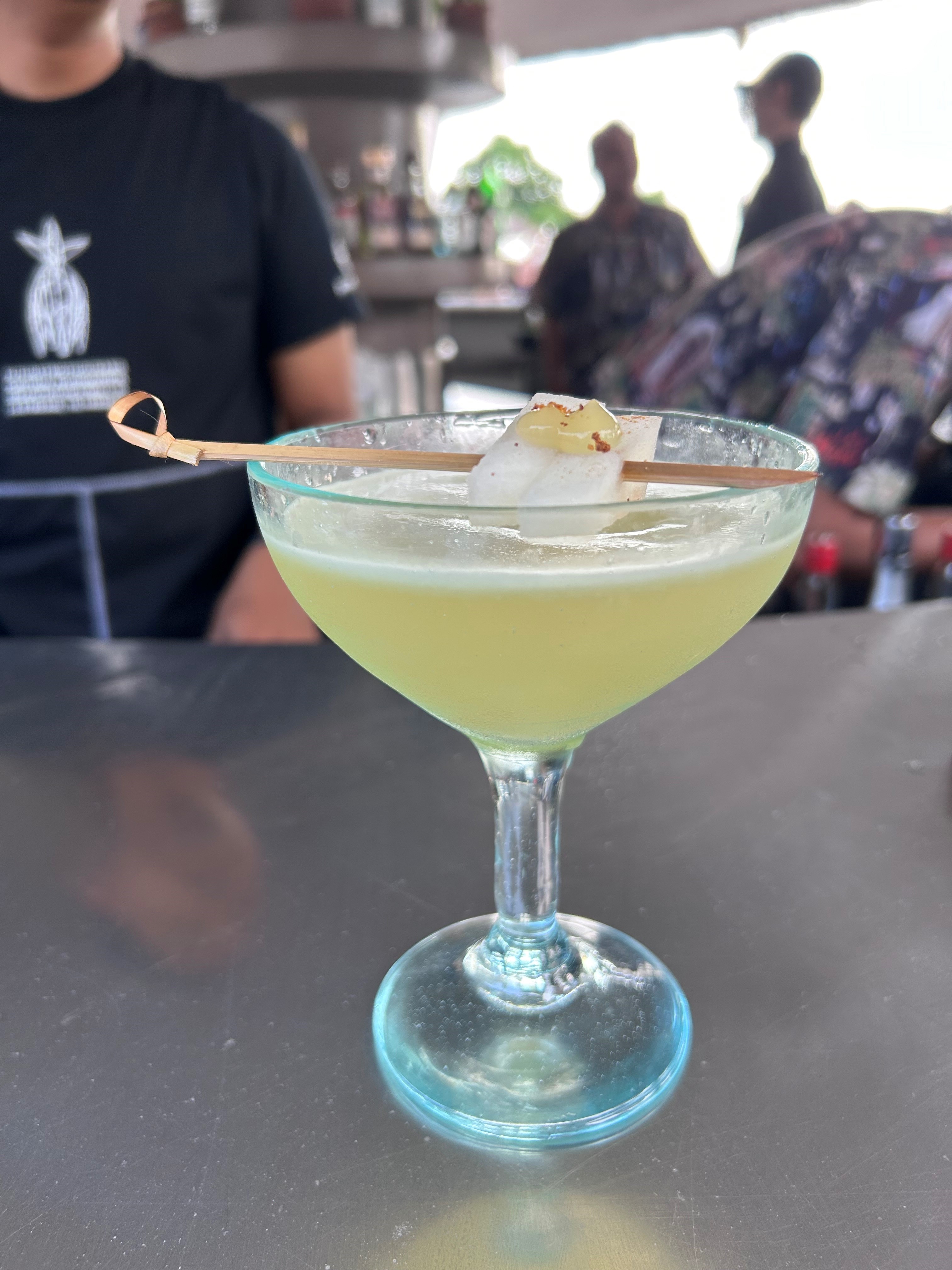
Tropical island martini: local cardamom-infused vodka, pineapple-infused arak, homemade spiced pineapple jam
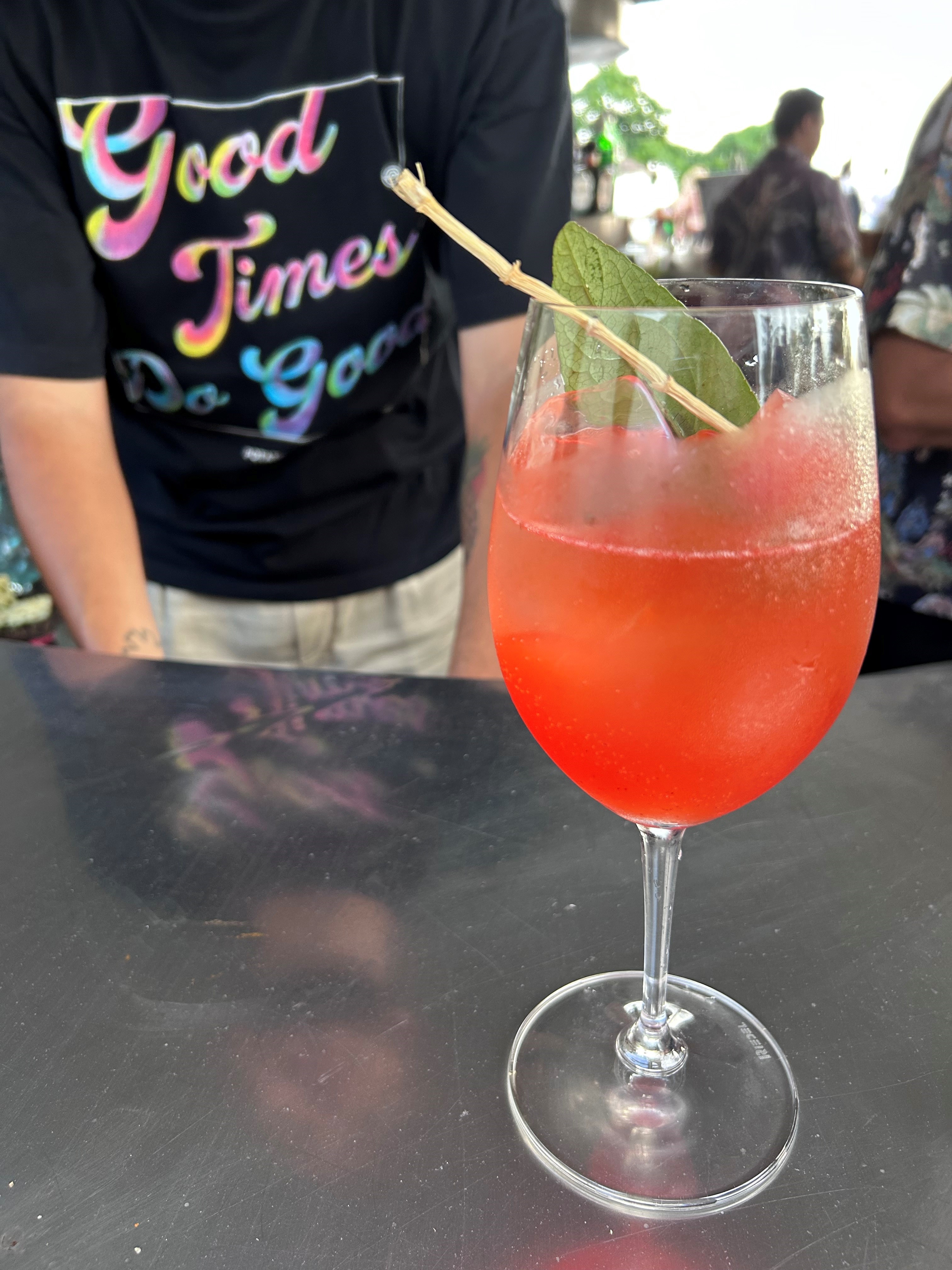
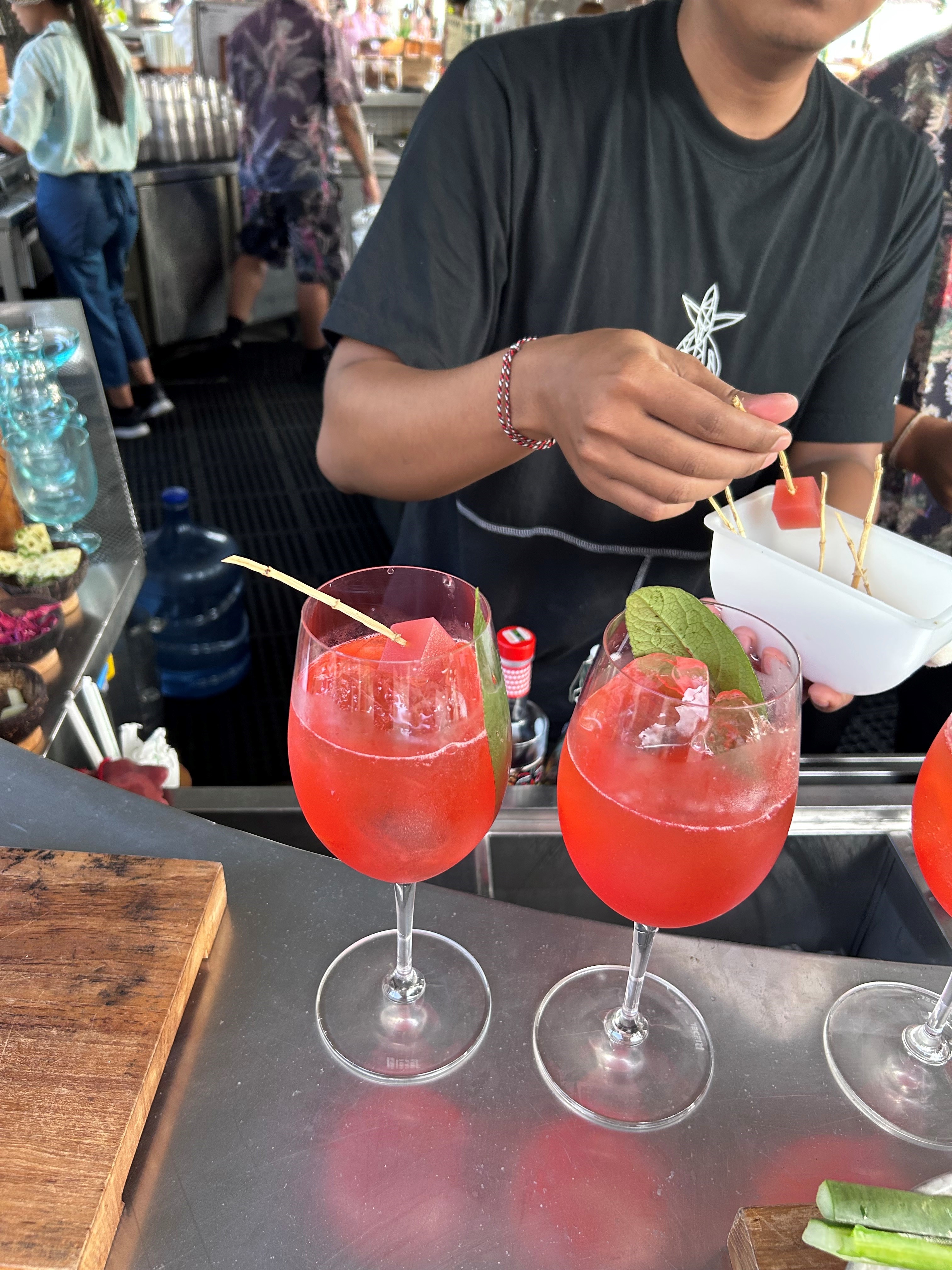
Bedugul spritz: citrus husk-infused vodka, strawberry nectar, pink citrus, guava kombucha, sparkling wine
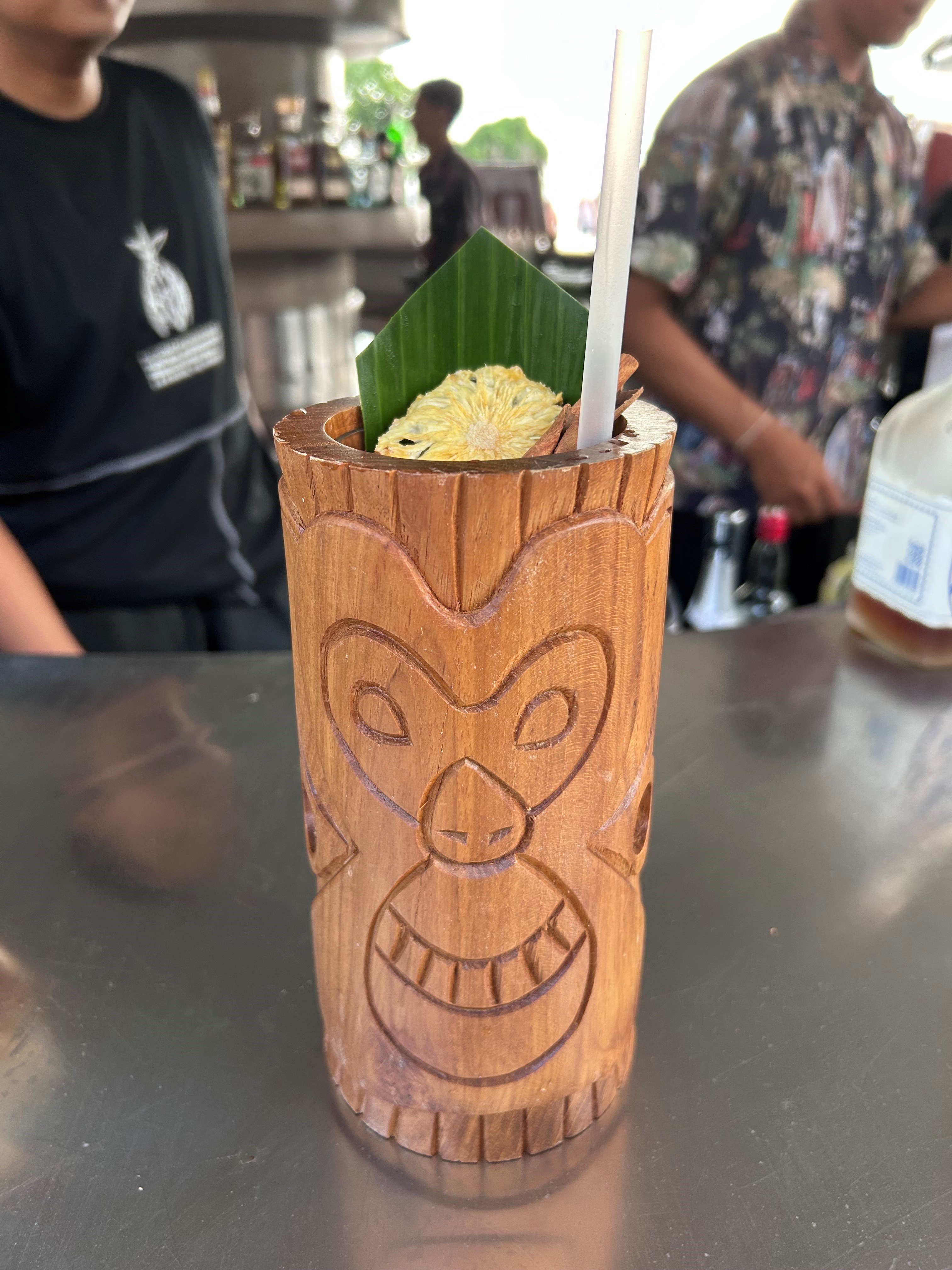
Barong zombie: pineapple-infused arak, homemade Bali absinthe, nusa caña island spiced rum, palapa nutmeg liqueur, avocado stone orgeat, pineapple, sugar cane juice, pink citrus, jackfruit, tangerine, falernum

A Model for the Future of Hospitality
In a region where tourists generate 3.5 times more waste than locals, and with Bali aiming to be waste-free by 2027, Potato Head ’s approach is both timely and transformative. The “Roots Revived” menu is a living example of how hospitality can be luxurious, local, and low-impact —all at once.
By blending spiritual values, cultural heritage, and circular design, Potato Head Bali is not just serving drinks while playing good music —it’s serving a vision for a better future.
They recognize their role within a larger system and understand the influence they can wield. By supporting the transition of 20 farms to organic practices with the Sweet Potato Project and co-founding the Waste Lab alongside other hotels, they’re helping to spark a broader shift across the island. Changing mindsets is never easy—especially in a culture where abundance often equates to disposability—making their efforts all the more remarkable.
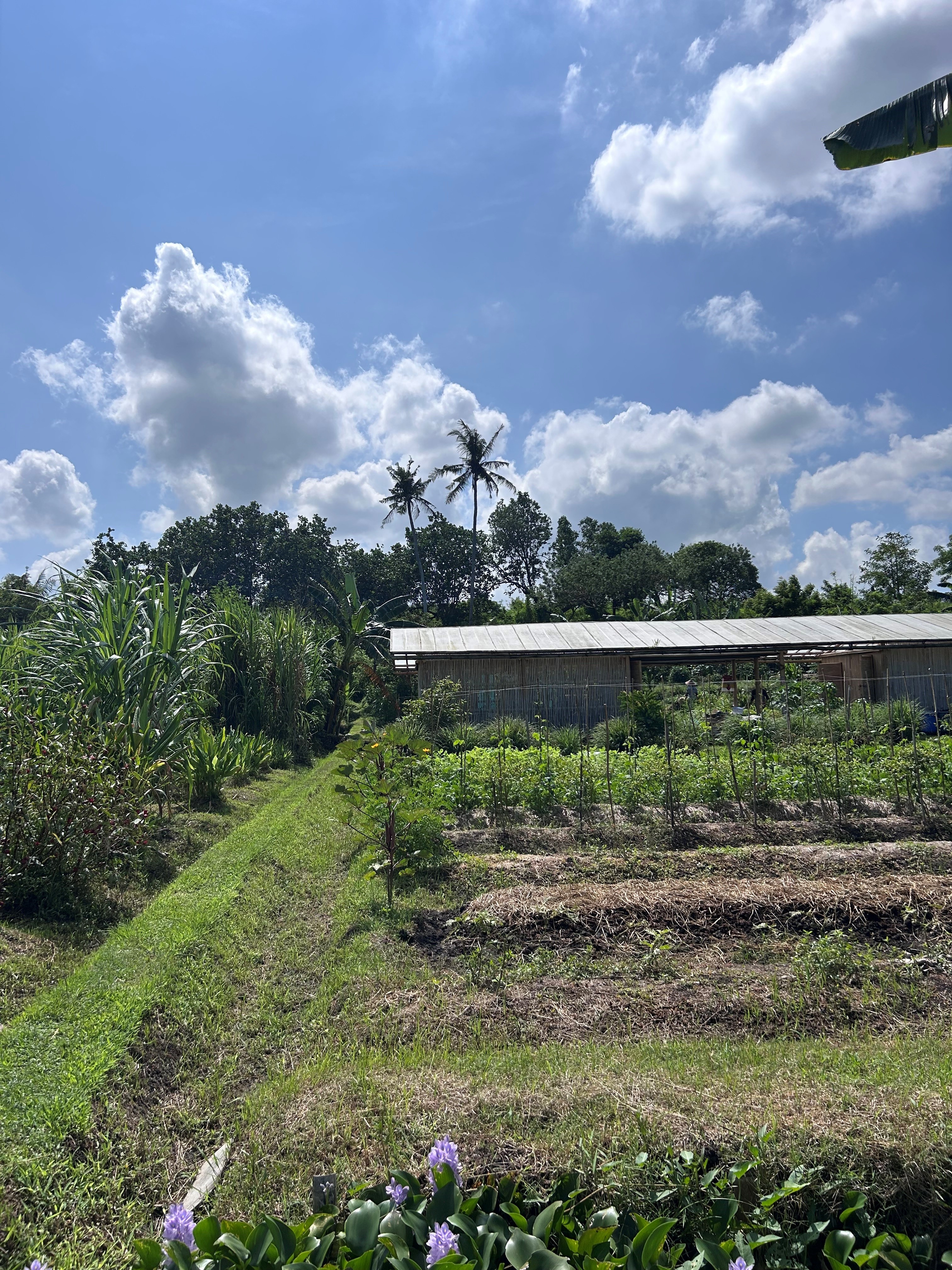
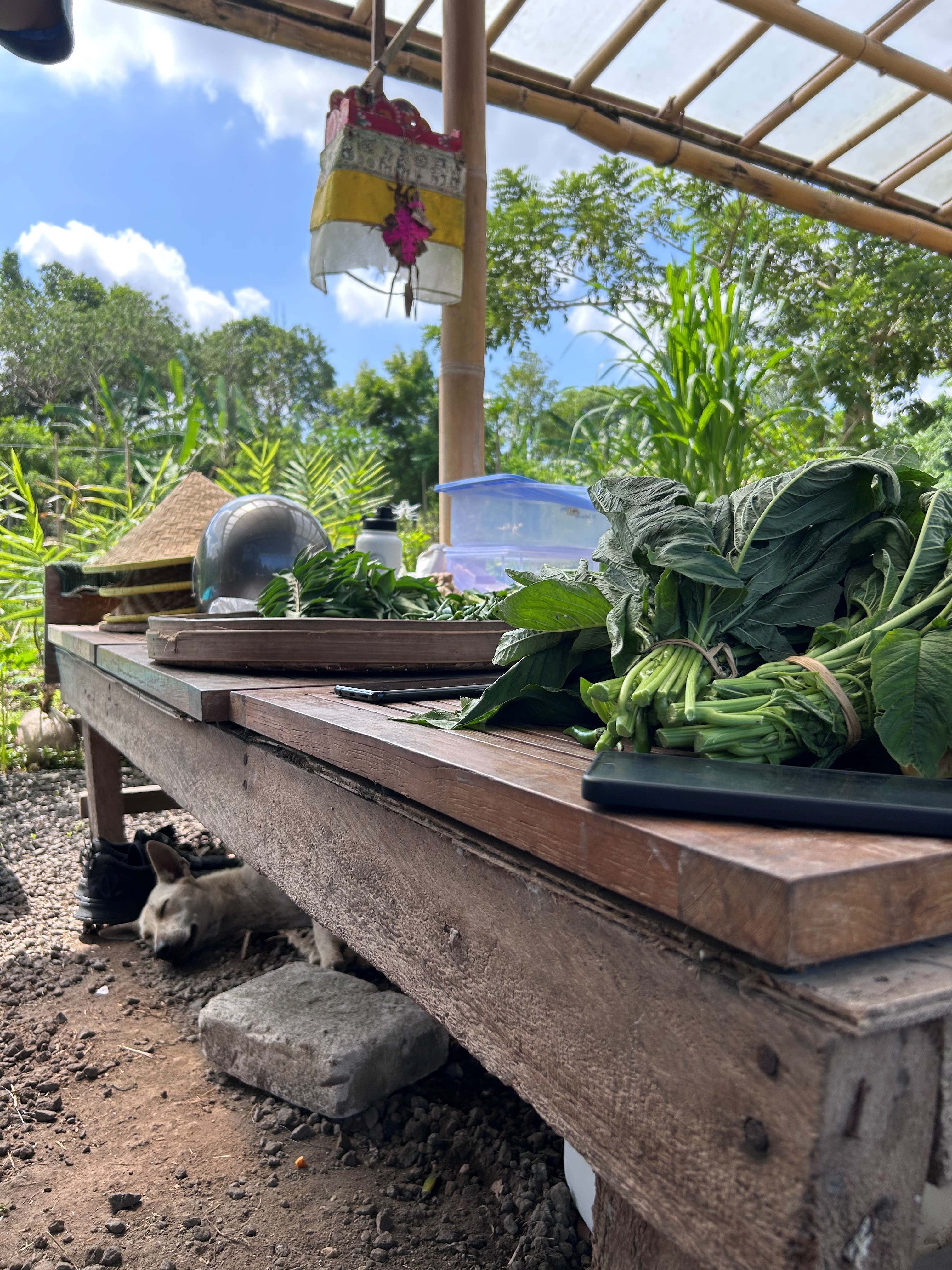
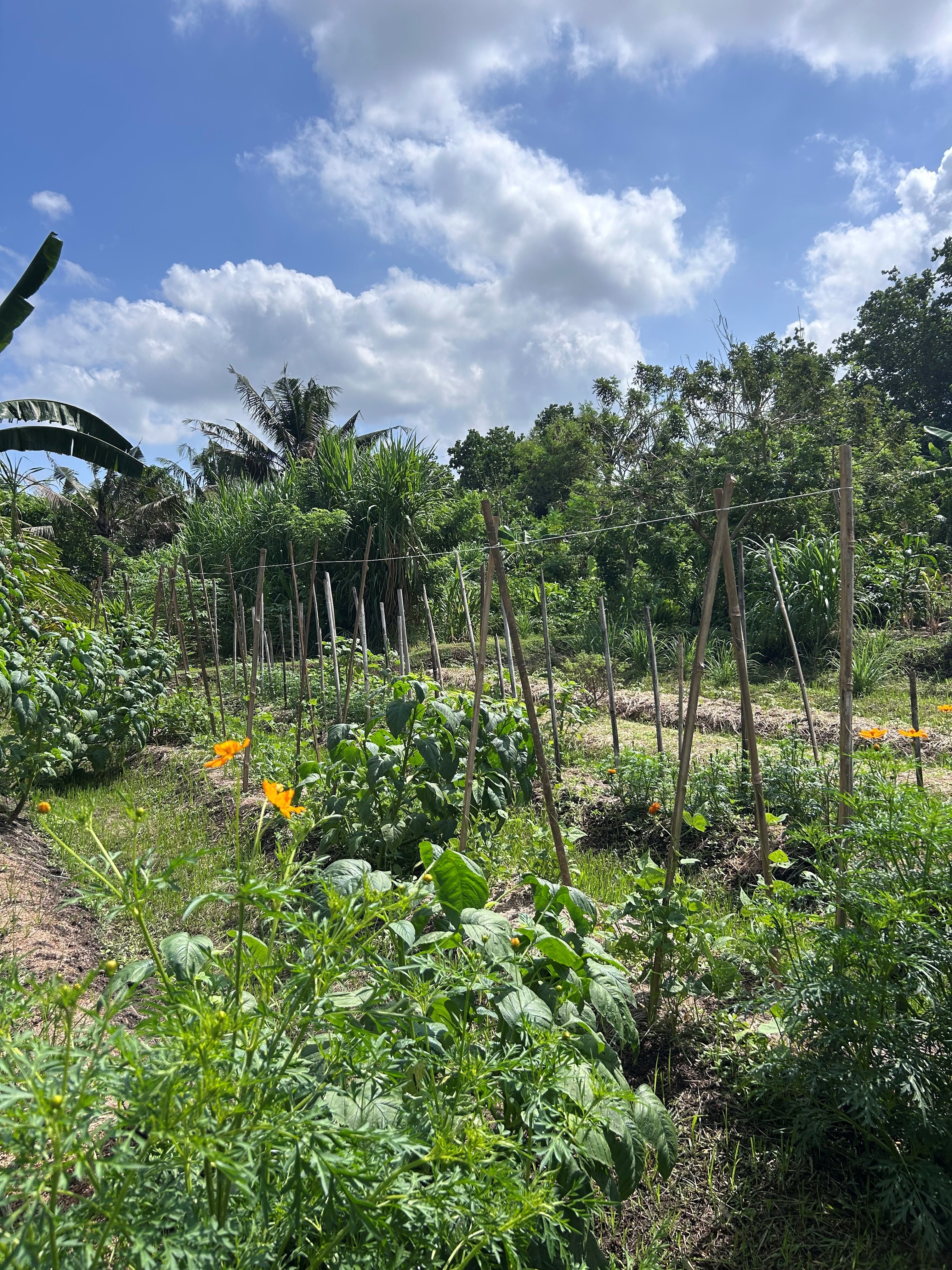

Desa Potato Head Bali offers a diverse culinary journey through its six distinctive restaurants: Dome, a retro-futurist all-day dining space blending global flavours and natural wines; Ijen, Bali’s first zero-waste seafood restaurant focused on sustainable catch and circular design; Kaum, a tribute to authentic Indonesian cuisine rooted in indigenous traditions; Tanaman, a plant-powered fine dining experience celebrating root-to-fruit creativity; Pizza Garden, a casual open-air pizzeria serving wood-fired classics with local ingredients; and the Beachfront Restaurant, offering international comfort food in a relaxed oceanfront setting. With the drink offerings now on par with the culinary excellence, the experience is more complete than ever.
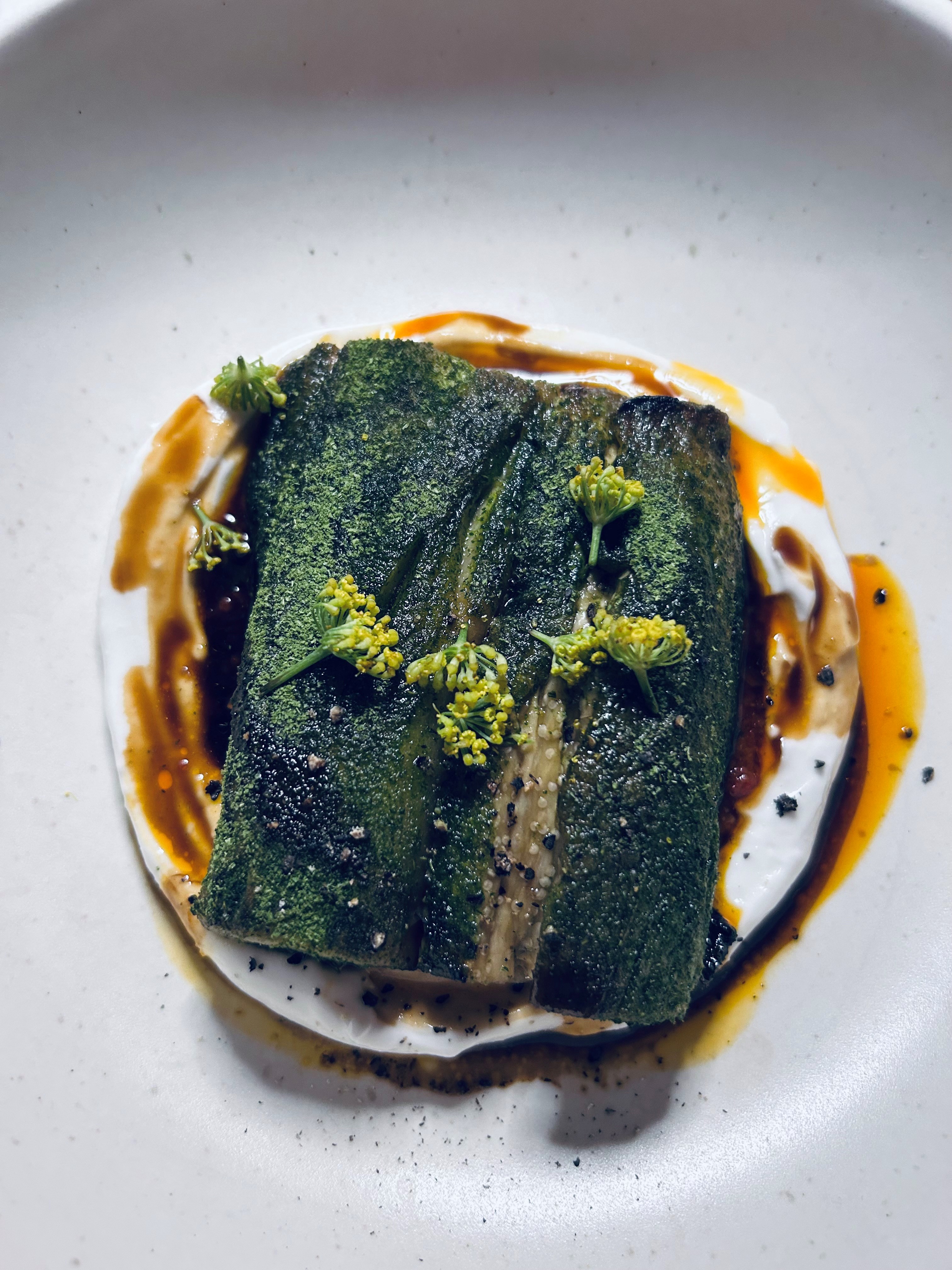
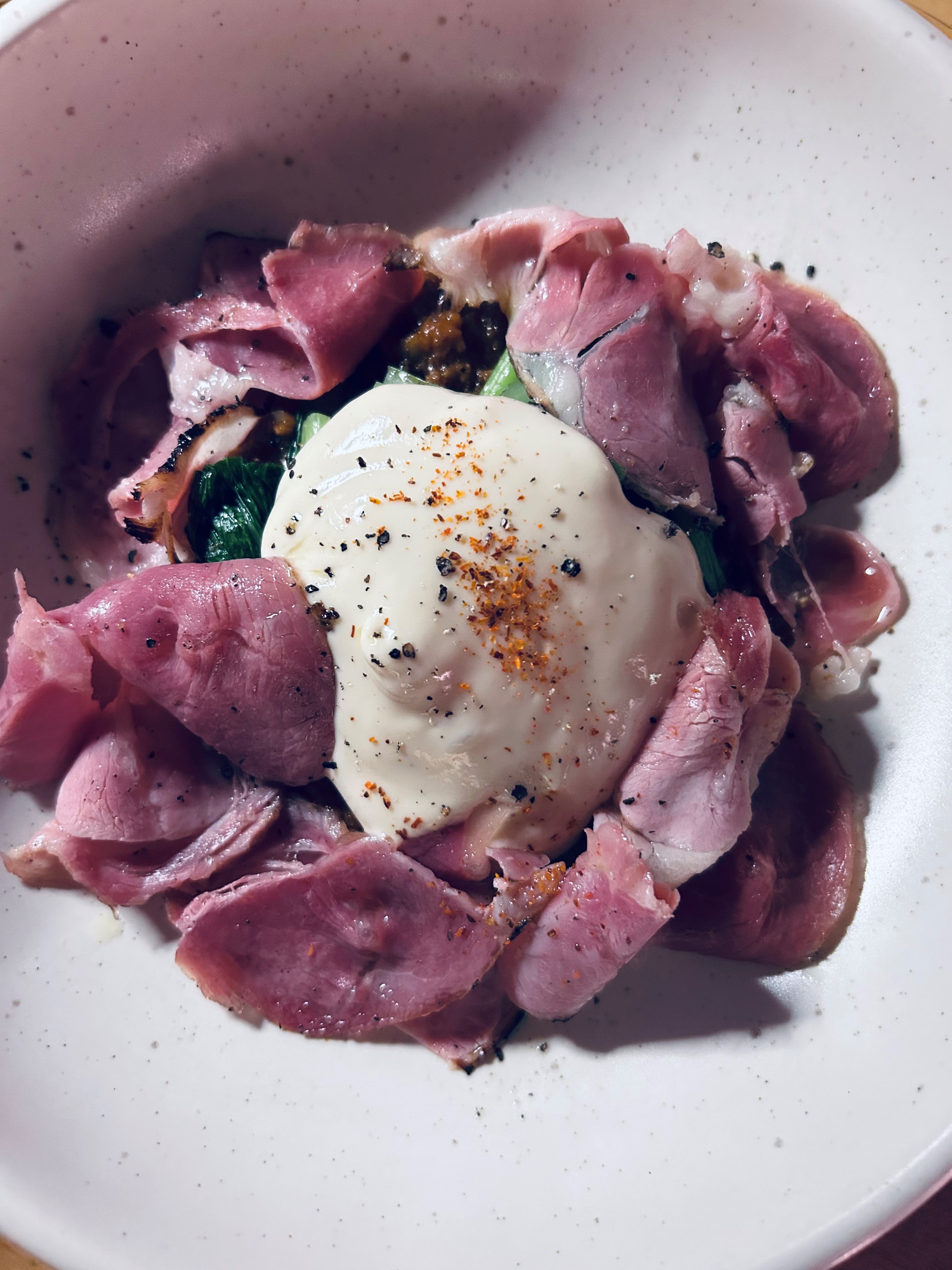





In reimagining what hospitality can be, Potato Head Bali proves that luxury and responsibility are not opposites—they’re partners in progress. It’s not just a place to stay, but a place that stays with you, long after you’ve left.
#goodtimesdogood



 Cocktails in Paris
Leave a comment