
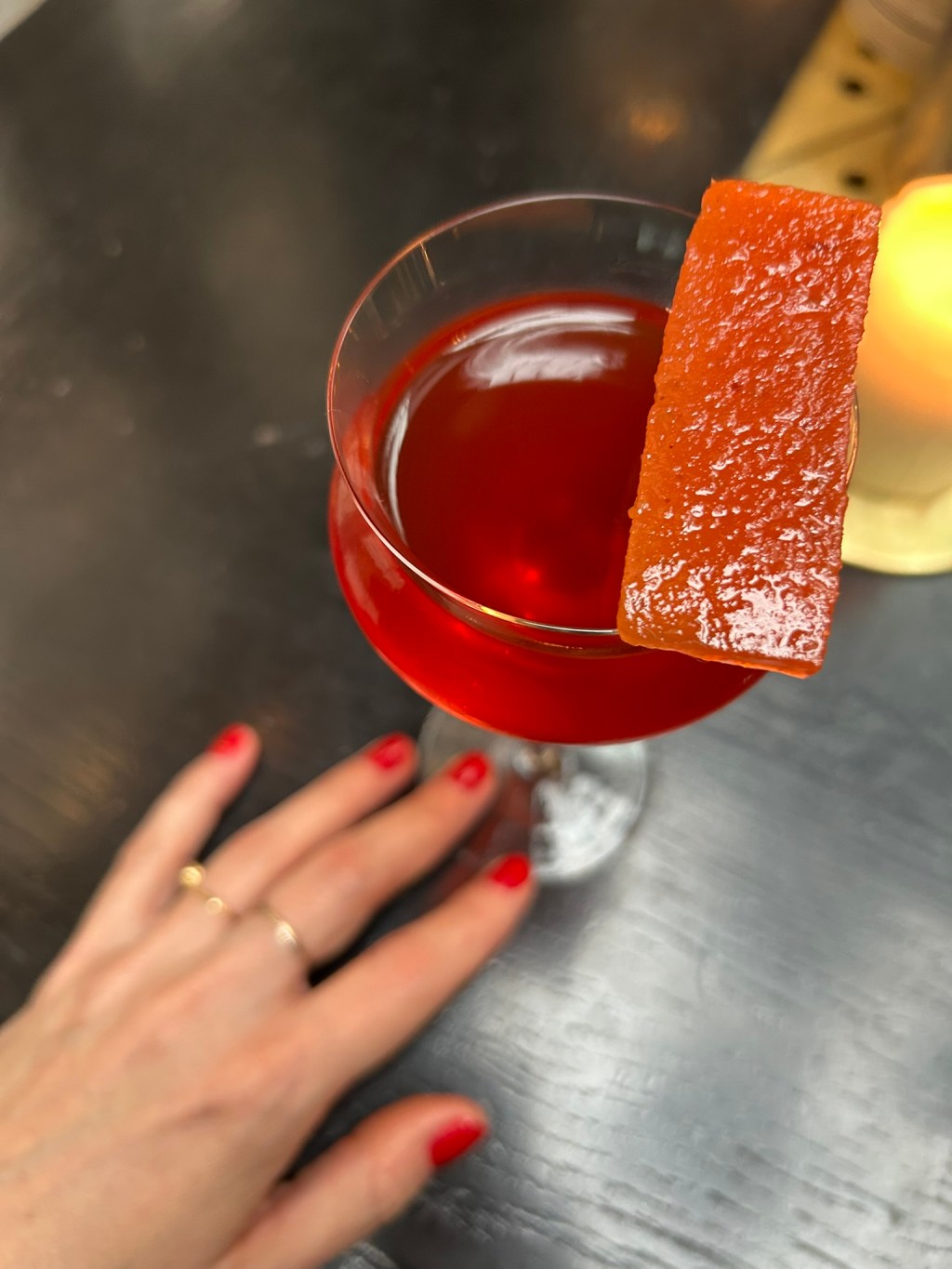
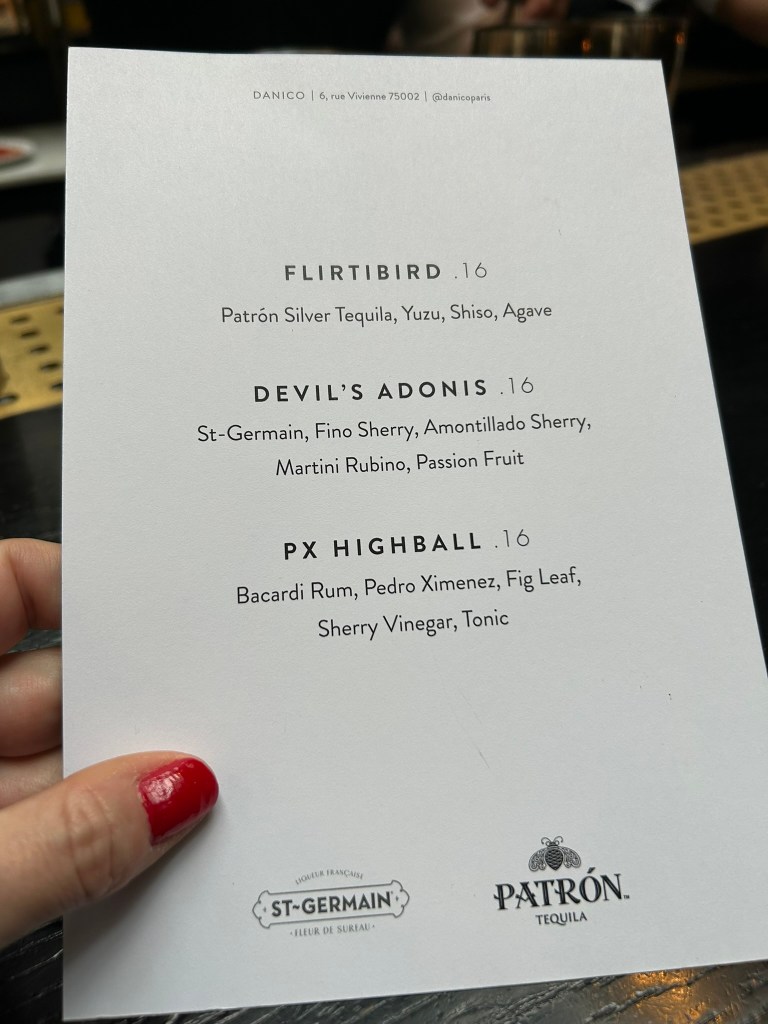
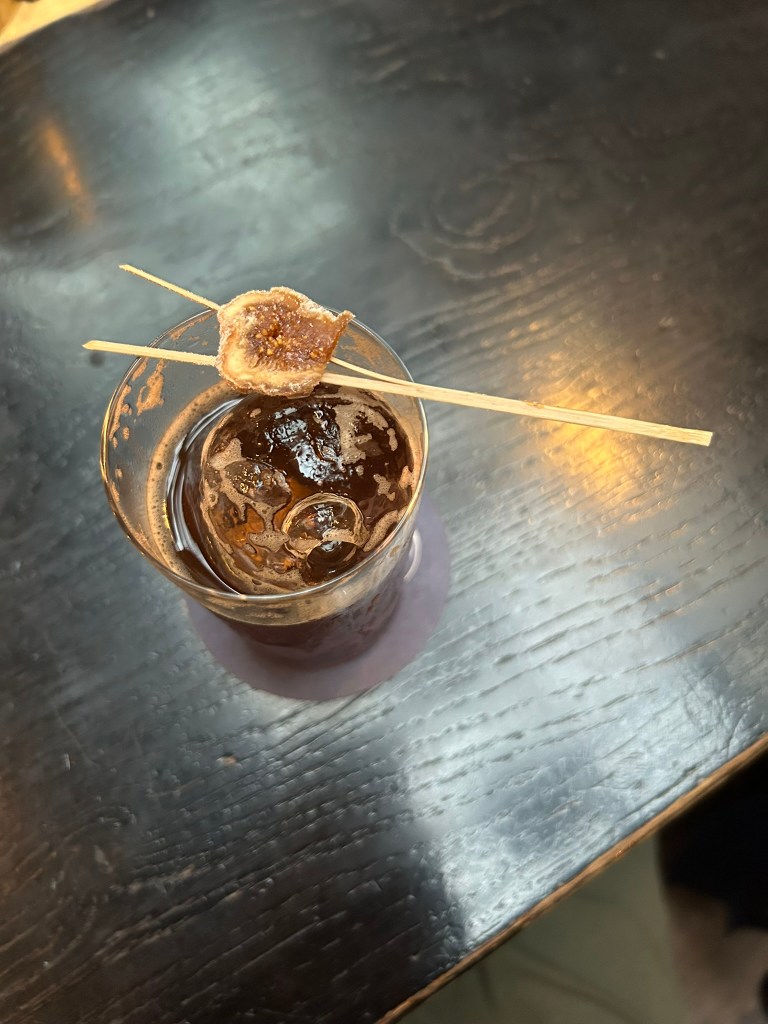
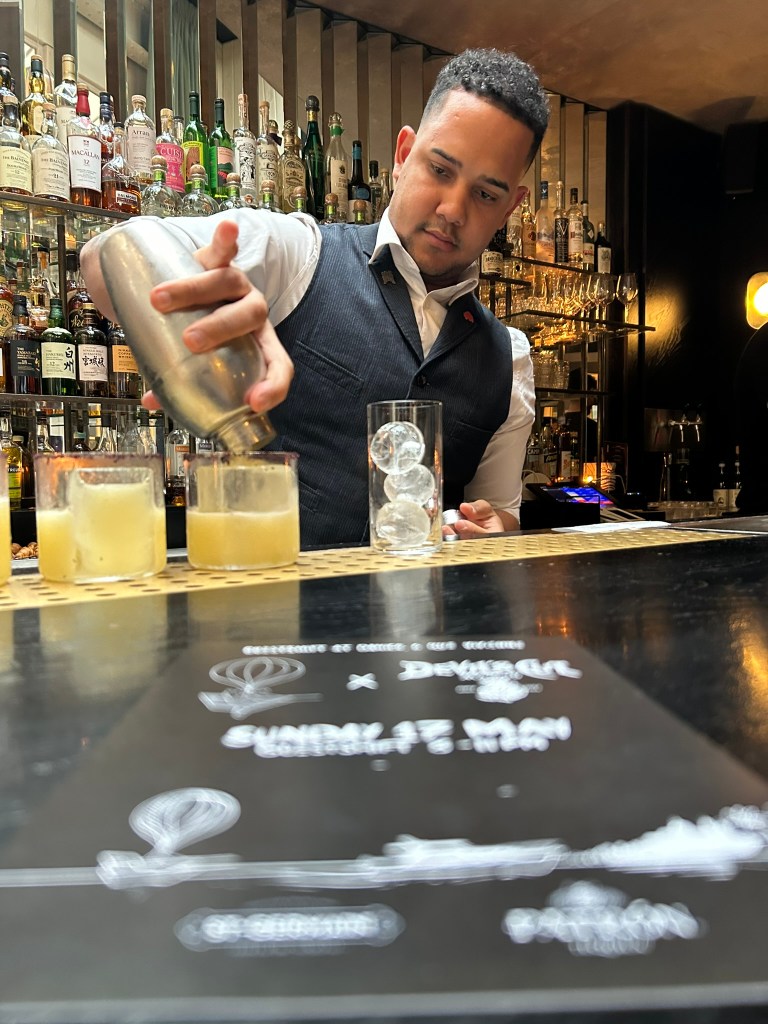
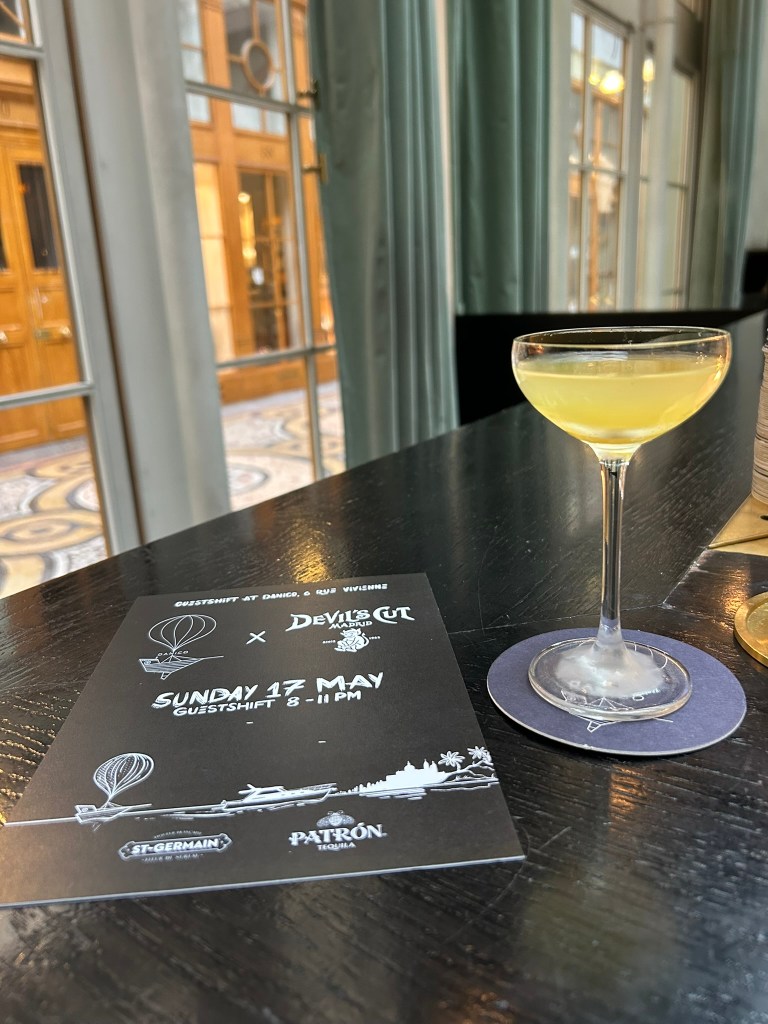
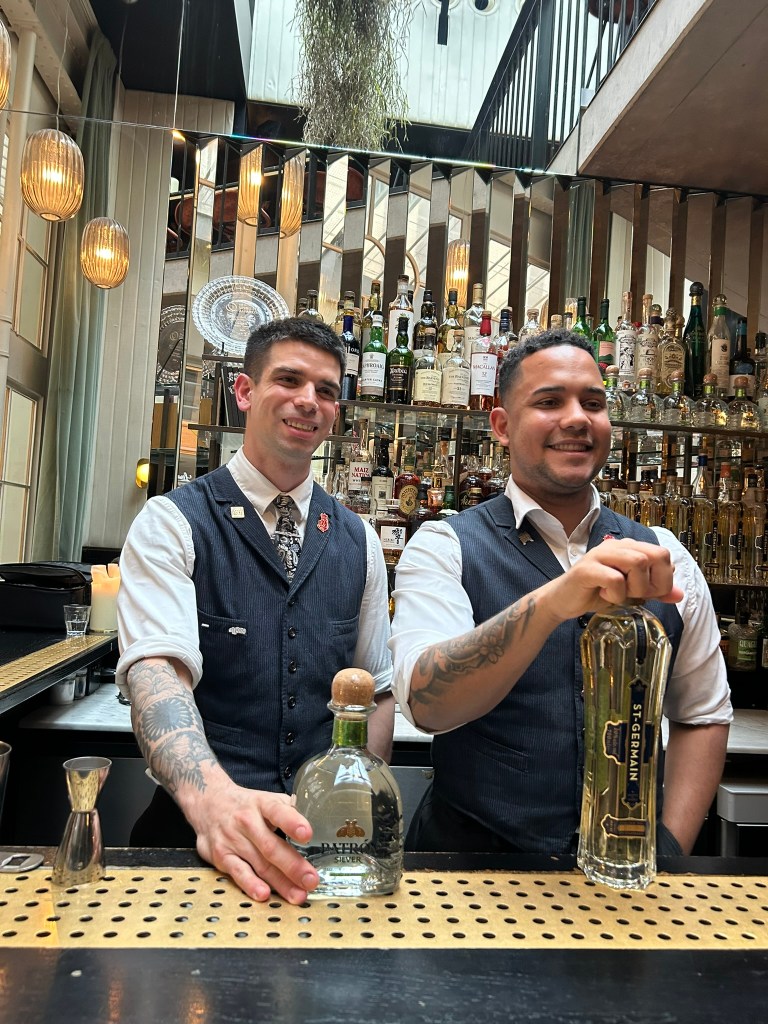
I took the opportunity to speak with Devil’s Cut Madrid’s Bar Manager and Head Bartender during a guest shift at Danico last Sunday. Although I didn’t have the chance to visit the bar in Madrid — as it was too busy during my last trip — I had been following Shingo Gokan’s work for some time, and I was confident it would be a success.
Shingo has long had a strong connection with Spain, particularly with sherry wine, so opening a bar there feels like a natural step. While he has developed projects all around the world, this marks his first venture in Europe. Today, Shingo Gokan is considered one of the few “GOATs” of the industry, known for his refined Japanese technique, meticulous attention to detail, and internationally acclaimed venues such as Speak Low, The SG Club, Sip & Guzzle to name only a few. He has built his reputation on blending cultures through cocktails.
Trained in Japan before rising to prominence in New York — where he became head bartender at the iconic Angel’s Share — Gokan developed a style defined by precision, elegance, and storytelling. One of the most recognizable elements of his craft is his distinctive hard shake — a highly controlled, almost choreographed movement that aerates and chills cocktails with exceptional finesse. More than a technical gesture, it embodies his philosophy: every action behind the bar must have intention.
With Devil’s Cut, his first European bar, Gokan translates this philosophy into a new context, merging Japanese discipline, Spanish identity, and the convivial spirit of a speakeasy. To understand how this vision is interpreted on the ground, I spoke with Nestor Matos, Bar Manager, and Javier Castellón Villafaña, Head Bartender, who are responsible for bringing this ambitious concept to life in Madrid. Through this exchange, I discovered two individuals with strong personal stories, fully committed to following in the footsteps of their mentor.
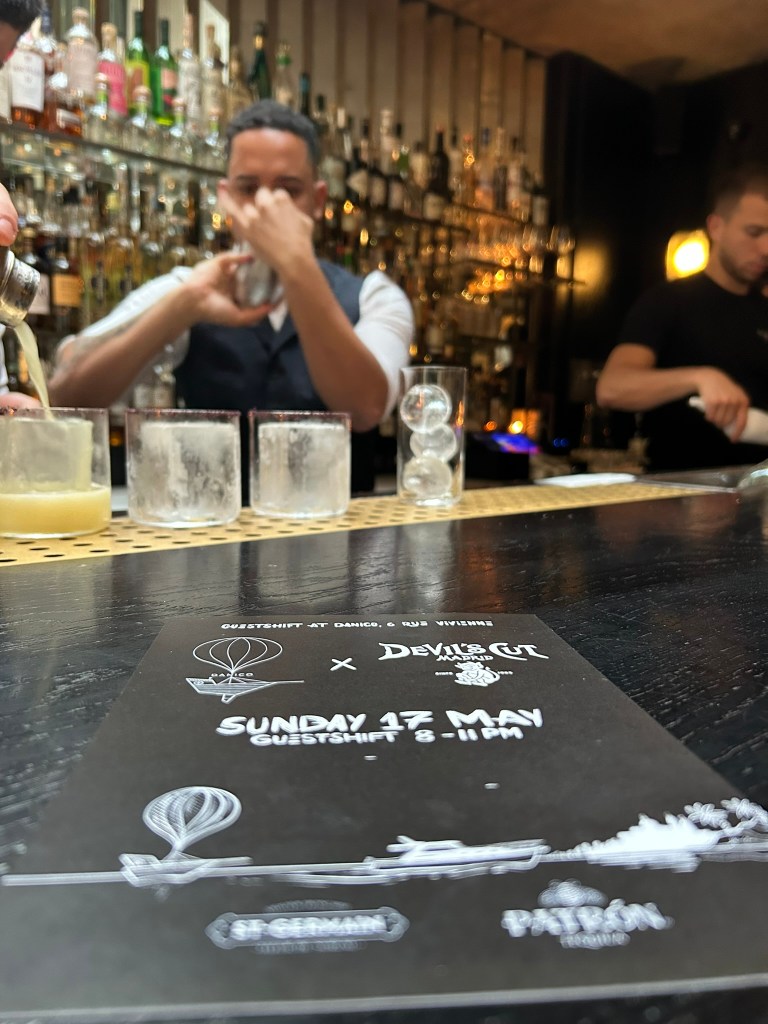
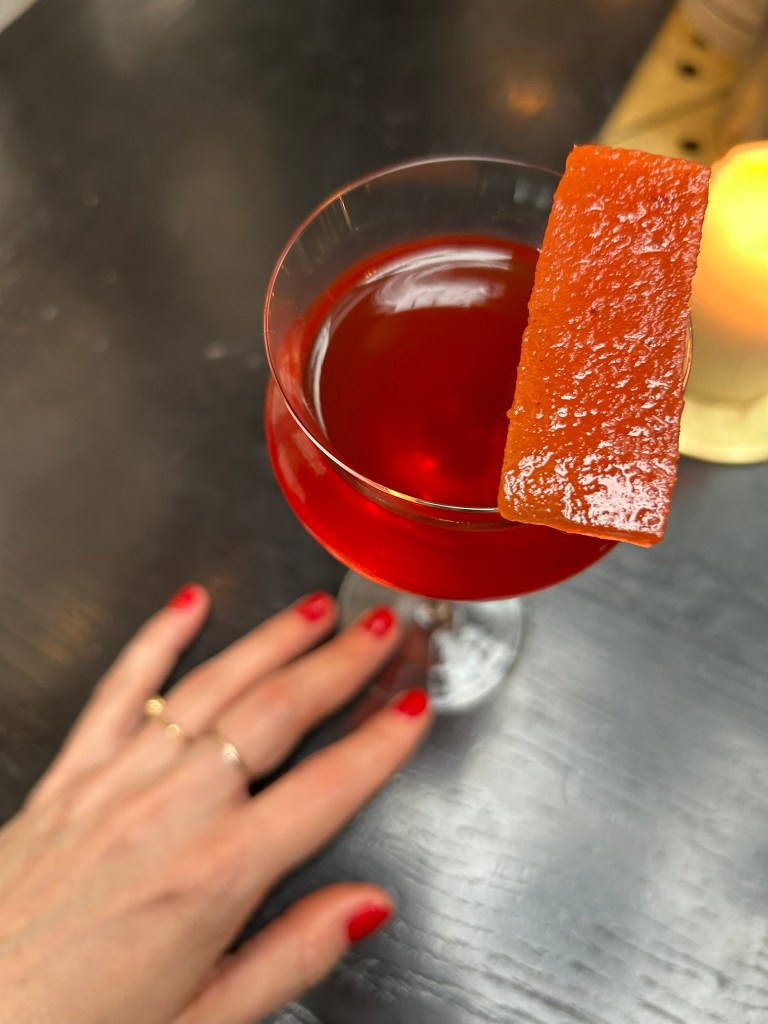
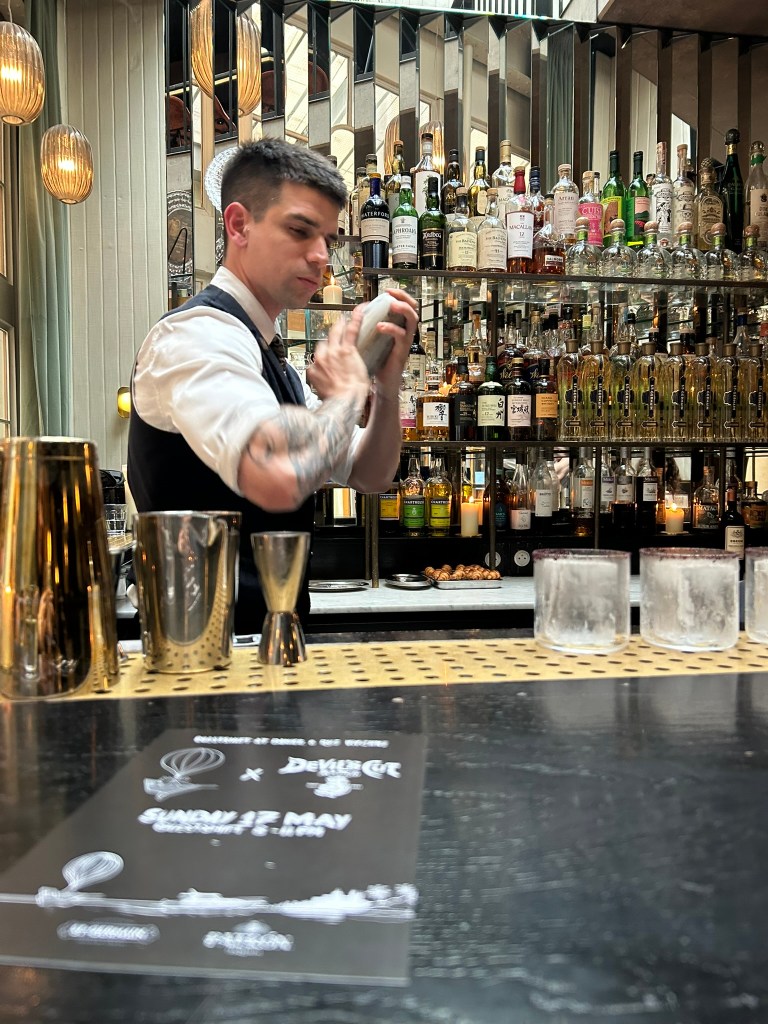
What convinced you to join the Devil’s Cut project? Did you immediately understand Shingo Gokan’s vision?
Head Bartender, Javier Castellón Villafaña:
Shingo Gokan is a very famous bartender — everyone in the industry knows his work. As bartenders, we’re always looking to work in places where we can build a real connection with guests, and this project offered exactly that.
At first, it felt like a big risk because it was something completely new — there was nothing like this in Spain. The idea of combining Japanese bartending techniques with Spanish sherry culture was very ambitious. But after reflecting on it, we realized that with Shingo behind the project, it had real potential.
How much of Devil’s Cut is Japanese at its core, even though it looks very Spanish on the surface?
Nestor Matos:
We like to say that Devil’s Cut represents three continents. The speakeasy concept comes from American prohibition history, the products are Spanish, and the technique behind the bar is deeply Japanese.
The Japanese influence is probably the strongest when you watch us work. We were trained directly by Shingo, and every movement has a purpose. We spent a full month training before opening, focusing on precision, discipline, and techniques like the venencia service — which he adapted into our service ritual.
The Japanese side is also the most challenging, because it requires consistency and attention to detail at every moment.
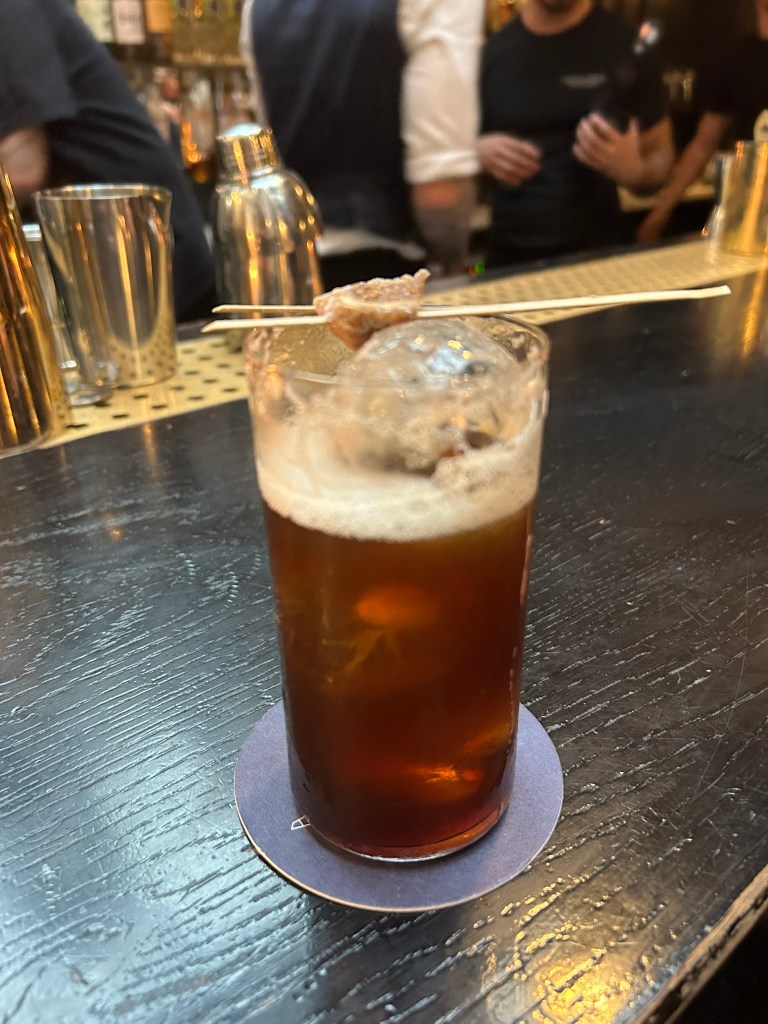
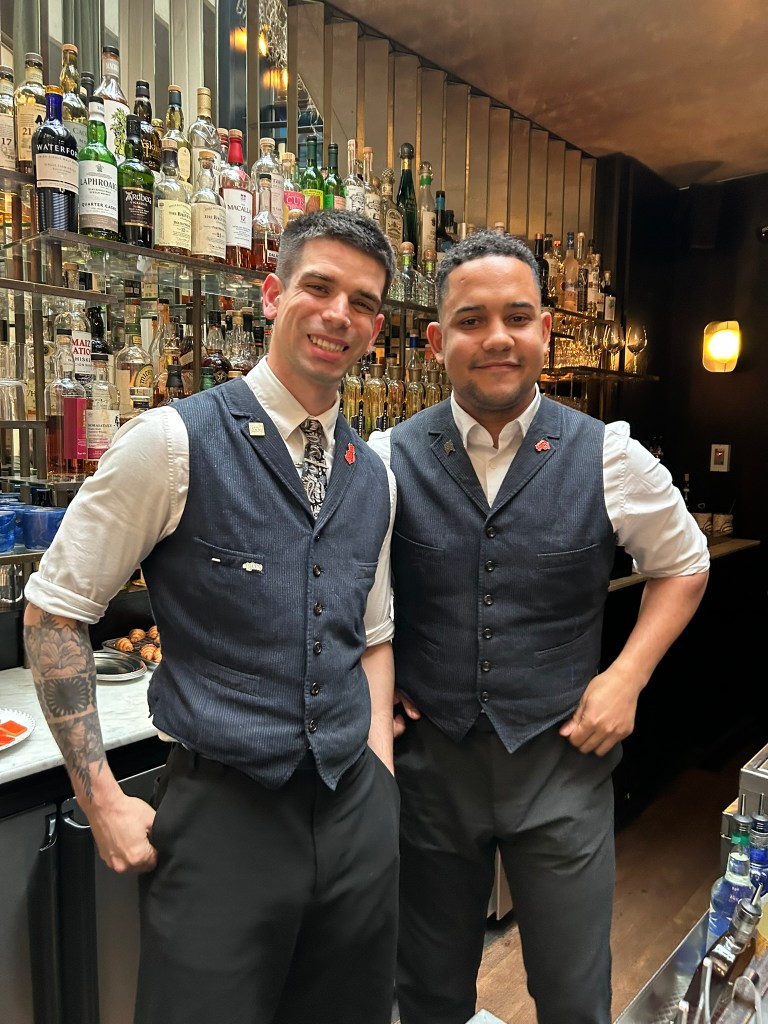
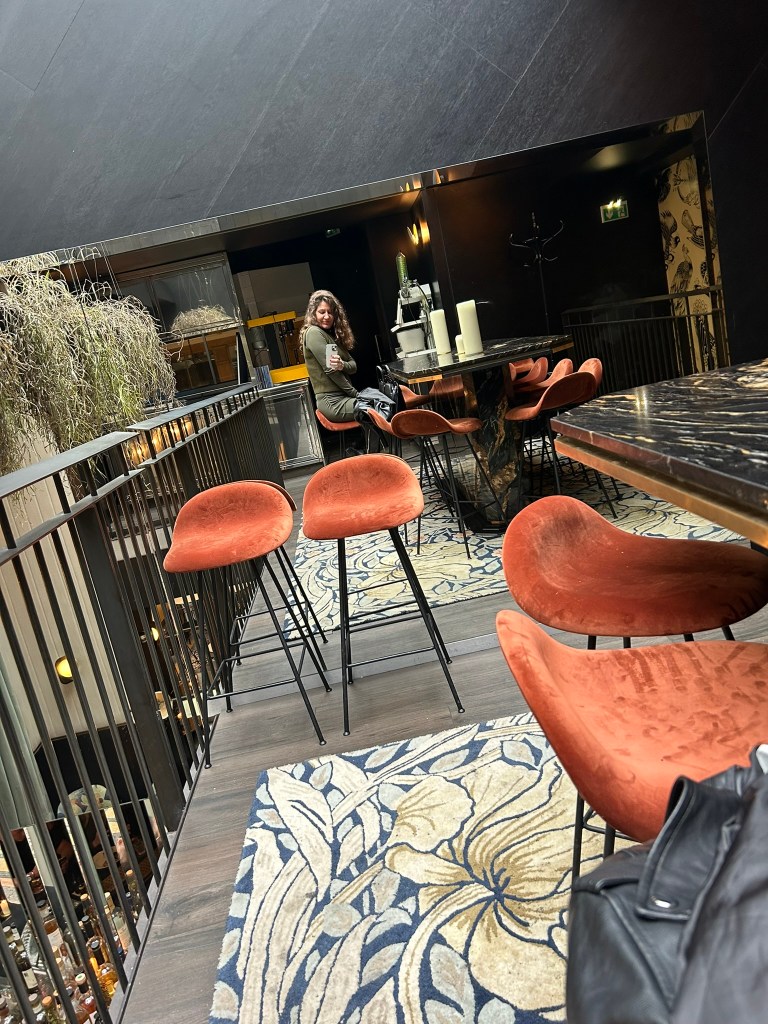
As someone leading the bar locally, how do you approach representing Spanish traditions through an international perspective?
Nestor Matos:
Our concept is really about representing Spain. The menu is centered on sherry wine — how to serve it, how to enjoy it, and how to explain it to guests.
Sometimes locals are surprised to see sherry used in cocktails, because traditionally it’s consumed neat. Our role is to introduce a new perspective without losing respect for the product.
We also create moments that reflect Spanish culture, like serving a welcome drink using the venencia technique — the traditional tool used in Jerez to extract wine from barrels. When we do it, we often celebrate it with an “olé,” which adds a sense of theatre and identity.
Before Devil’s Cut, were you already working in international-level bars, or was this a completely new scale for you?
Javier Castellón Villafaña:
For me, it was a completely new experience. I’m from Cuba, where bartending exists in a very different context. Even though I had experience, working here exposed me to a completely new level of technique and philosophy.
I’ve been a bartender for seven years, but I arrived in Europe only three years ago. In many ways, I feel like my real learning journey started recently. Coming from Cuba, it sometimes feels like we were in a bubble — when you discover the global bar scene, you realize how much more there is to learn.
Working with Shingo has been incredible, because he has bars all over the world and a huge reputation in the industry. However, many guests don’t necessarily know him, so part of our job is also to explain the concept and share that story.
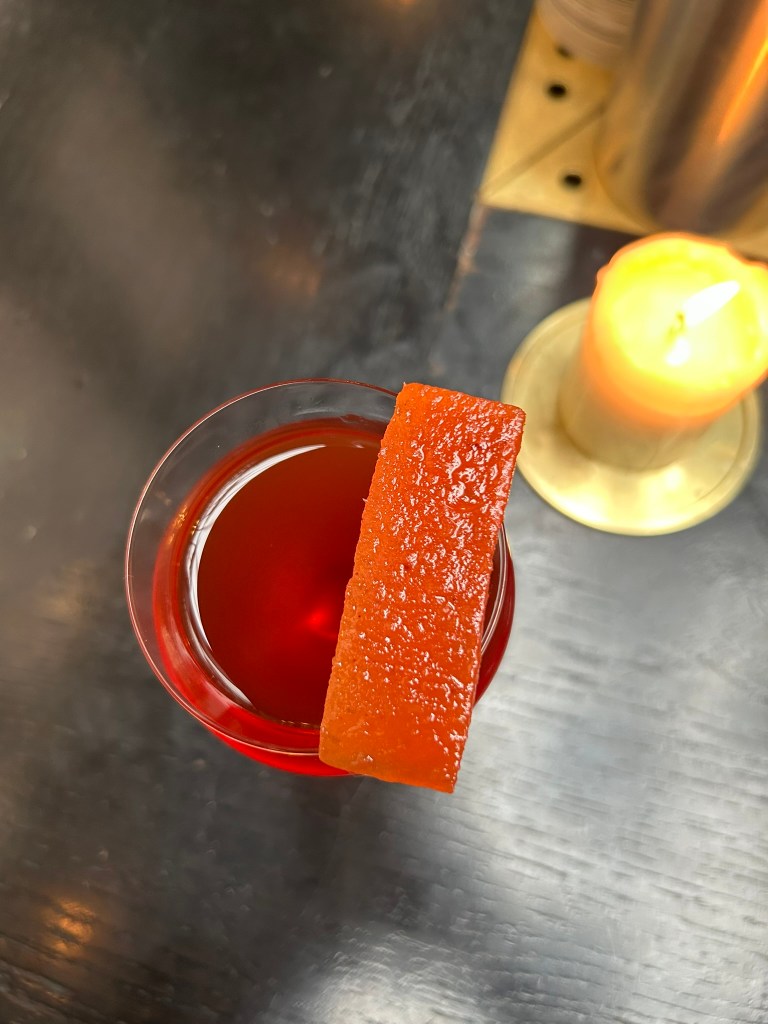
How do you make sure Devil’s Cut doesn’t become just a destination bar for visitors, but also a place for locals?
Nestor Matos:
We treat every guest the same way. Before Devil’s Cut, this space was a traditional Spanish bar, so we already had some regulars — and we’ve worked to keep that connection.
In Spain, people might come in just wanting a beer or a gin and tonic, and we respect that. Even if our concept is sophisticated, hospitality means giving guests what they want.
At the same time, we encourage locals to explore our cocktails, especially those featuring sherry. Some are sceptical at first, but once they try them, they often come back.
What is your motto?
Nestor Matos:
Devil’s Cut is not just about cocktails — it’s about hospitality. Our goal is to give guests exactly what they need so they leave with great memories.
What makes Devil’s Cut truly distinctive is not only its technical excellence or international pedigree, but the way it reinterprets Spanish culture through a contemporary lens. At the heart of this approach lies sherry — a product deeply rooted in Andalusian tradition — reimagined through cocktails and modern service.
One of the most striking expressions of this is the use of the venencia, a traditional tool used in Jerez to extract wine directly from barrels. Historically associated with bodegas and professional wine service, this gesture is transformed at Devil’s Cut into a performative and celebratory ritual. Accompanied by an enthusiastic “olé,” it becomes both a tribute and a reinvention of Spanish heritage.
What is particularly fascinating is how this reinterpretation resonates with an international audience. Foreign guests are captivated by the precision and theatricality of the venencia service — something that may once have been perceived as traditional or even old-fashioned is now experienced as unique, elegant, and undeniably modern. In this way, Devil’s Cut succeeds in making Spanish culture “cool” again, not by changing it, but by reframing it through a global perspective.
Ultimately, however, beyond concepts, techniques, and design, everything comes down to people. The success of Devil’s Cut relies on the ability to recruit, train, and retain a team capable of embodying this complex vision every day. Through strong leadership, shared values, and a deep commitment to hospitality, the team translates Shingo Gokan’s philosophy into genuine guest experiences. In the end, it is this human element — more than any concept — that ensures the bar’s identity remains alive, consistent, and meaningful.
Okay so who wants to travel to Madrid now? I certainly do!
Gracias a los dos!
 Cocktails in Paris
Leave a comment