
For years, Europe was the undisputed centre of the cocktail world. London, Barcelona, Paris and, more recently, Athens produced many of the bars that defined modern hospitality and regularly occupied the upper reaches of The World’s 50 Best Bars list. In recent editions, however, the spotlight has gradually shifted. Bars from Asia, North America, Latin America and the Middle East have increasingly dominated the global conversation, leaving fewer European venues among the world’s elite.
The launch of Europe’s 50 Best Bars therefore arrives at an interesting moment. Less a regional spin-off than a much-needed snapshot of a rapidly evolving continent, the inaugural ranking offers a chance to examine the ideas, people and cities currently shaping European drinking culture.
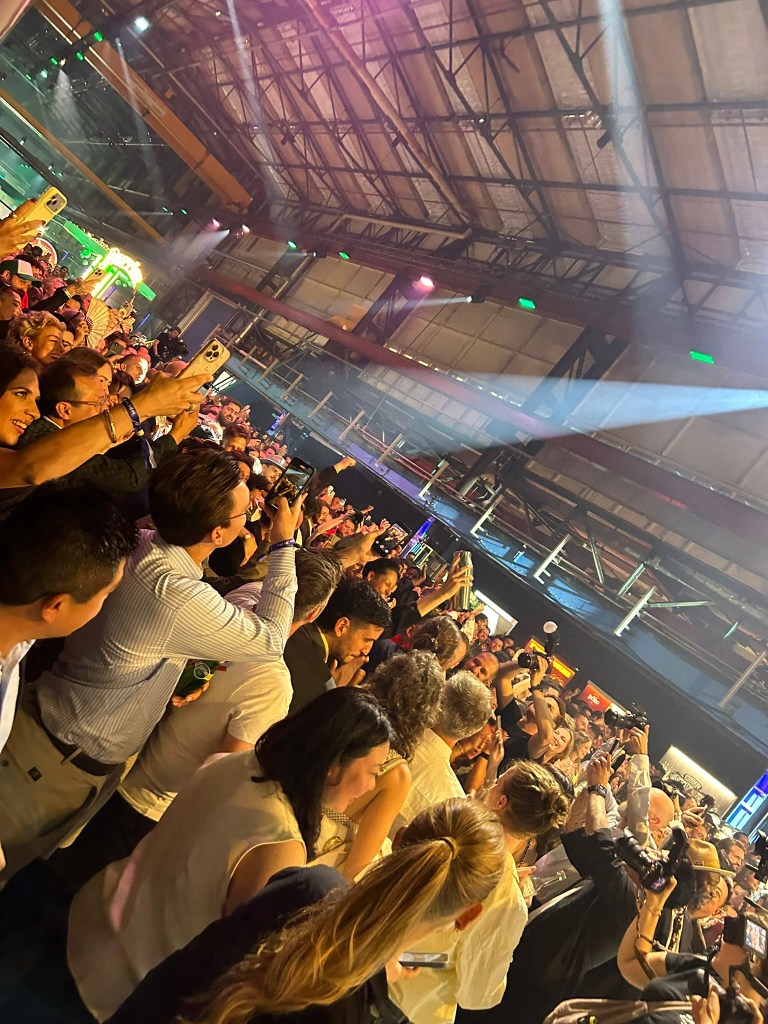
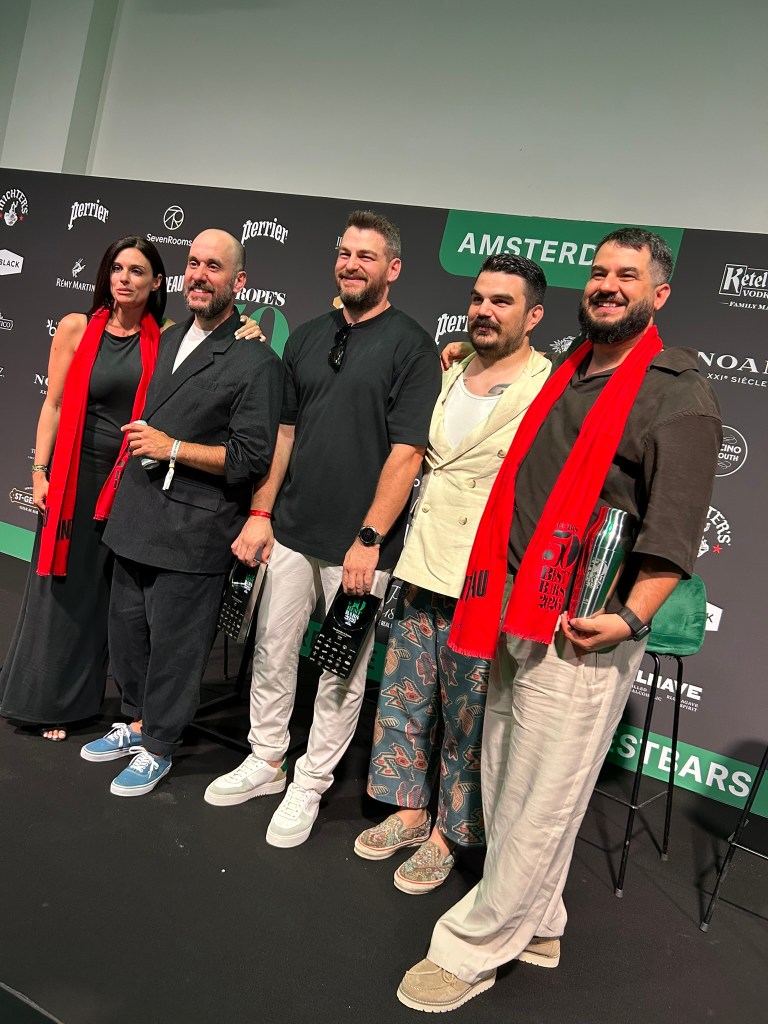
The ranking was revealed on the 30th of June in Amsterdam where many europeans (and non EU!) gathered to celebrate the industry!
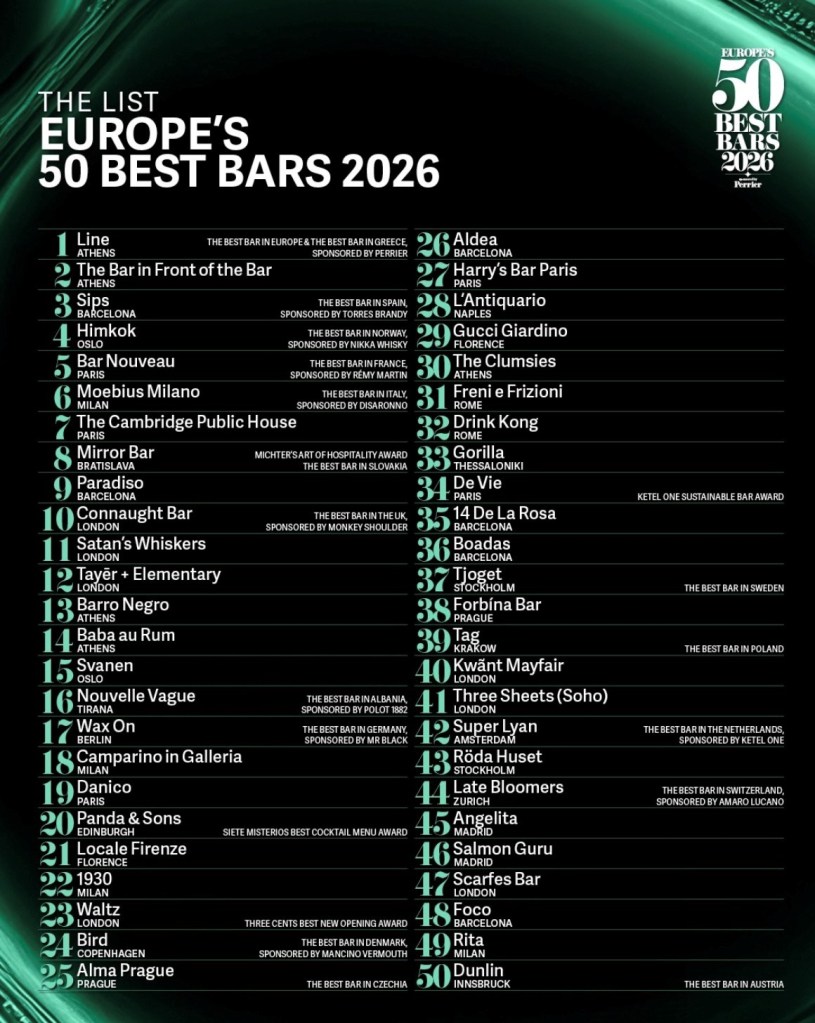
The list itself delivered a clear message. Line in Athens emerged as the evening’s biggest winner, taking the No.1 spot, while fellow Athenian venue The Bar in Front of the Bar secured No.2. Barcelona’s Sips completed the podium, while Paris, Milan and London all confirmed their status as major cocktail capitals.
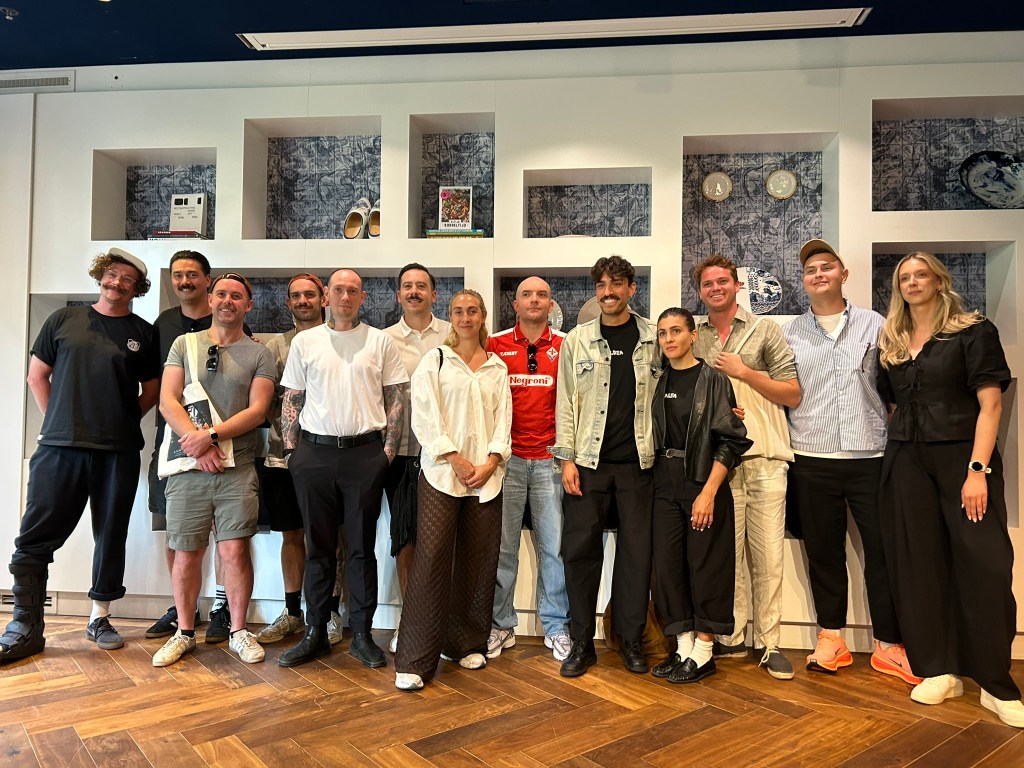
During the (many) celebrations in Amsterdam around the ceremony, I also had the opportunity to sit down with teams from Super Lyan (Amsterdam), Panda & Sons (Edinburgh), Tag (Krakow), Tjoget (Stockholm) and Aldea (Barcelona). Different cities, different philosophies, different bar cultures and yet, beneath those differences, a strikingly similar vision of the future kept emerging.
The bars leading Europe today are no longer trying to win guests over with technical wizardry alone. Instead, they are doubling down on storytelling, locality, sustainability, community and hospitality.
Perhaps that is the real story behind Europe’s 50 Best Bars.
Athens Isn’t a Surprise Anymore
For years, conversations about European cocktail excellence typically revolved around London and Barcelona.
Athens placed five bars in the Top 30, including the top two positions:
- #1 Line
- #2 The Bar in Front of the Bar
- #13 Barro Negro
- #14 Baba Au Rum
- #30 The Clumsies
Far from being a surprise, Athens’ dominance feels like the culmination of more than a decade of work, driven in no small part by the impact of the Athens Bar Show and a generation of operators who transformed the city into one of the world’s most exciting cocktail destinations.
Looking at the Greek bars on the list, common threads quickly emerge: fermentation, local ingredients, sustainability, approachability and a strong sense of place. Interestingly, those same themes repeatedly surfaced during conversations in Amsterdam.
The Age of Storytelling
If one idea connected almost every discussion, it was the growing importance of storytelling.
At Super Lyan in Amsterdam, Alex Lawrence explained that while the team uses advanced techniques behind the scenes, those techniques rarely form the starting point of a guest conversation.
“Most guests don’t fucking care, guys. And that’s totally fine.”
Instead, the current menu explores Amsterdam through its neighbourhoods, history and local characters. Bartenders spend weeks researching communities, speaking to residents and uncovering stories that eventually find their way into cocktails.
As Lawrence put it:
“We’re actually talking about something much more human.”
That simple observation goes a long way towards explaining the success of bars such as Line, Sips or The Bar in Front of the Bar. Today’s leading cocktail bars are not merely serving drinks. They are telling stories about where they belong.

Barcelona’s Secret Ingredient: Emotion
Few cities demonstrate this more clearly than Barcelona.
With five bars featured in the ranking, including Sips (#3), Paradiso (#9) and Aldea (#26), the Catalan capital continues to exercise enormous influence on global cocktail culture.
Among the teams present in Amsterdam, Aldea perhaps captured the city’s spirit most vividly.
Co-owner Silvia Dorninger described the venue as:
“The result of all our travels, our imagination and our dreams transformed into a physical space.”
Aldea is built around memories. Cocktails draw inspiration from experiences collected across Mexico, Australia, Japan and Spain. Guests are even invited to submit their own stories, which may later inspire future creations.
One drink recreates a candlelit dinner in Mexico. Another evokes the feeling of watching the sunrise from the deck of a boat with coffee in hand.
For Dorninger, the most rewarding part comes when guests recognise themselves in those stories.
“You see this kind of smile in their eyes when you ask them if they have a story.”
In an industry increasingly obsessed with authenticity, that emotional connection may prove more valuable than any technique.
When Innovation Stops Showing Off
At first glance, Panda & Sons appears to represent the opposite end of the spectrum.
Ranked No.20, the Edinburgh institution has become synonymous with technical innovation thanks to Iain McPherson’s pioneering work with freezing, freeze concentration and texture-driven cocktail techniques.
Yet McPherson’s philosophy turned out to be surprisingly aligned with the broader trends emerging from the ranking.
“When you come into the bar, you’re not walking into a laboratory. You’re walking into warm Scottish hospitality.”
For him, innovation should remain largely invisible.
Sean Moggach echoed the sentiment:
“For the people that do care, we can deliver all that knowledge. For the people that don’t care, we don’t force them through it.”
The best bars are still deeply technical. The difference is that they have become increasingly selective about when and how they showcase that expertise.
They’re no longer performing innovation, they’re using it to create better experiences.
Sustainability’s New Meaning
Sustainability remains one of the dominant themes across the ranking.
From De Vie’s ice-free programme in Paris to Röda Huset’s commitment to local ingredients and Line’s fermentation-led approach, environmental awareness is no longer a niche concern. It has become part of the DNA of modern cocktail culture.
Yet during my conversations in Amsterdam, it became clear that sustainability is increasingly being understood in broader terms.
At Tag in Krakow, owner Maciej Mazur spoke less about waste reduction and more about people.
“We want to use our connections to grow our local community.”
That philosophy has led the team to create exchange programmes, connect Polish bartenders with international guests and actively champion the country’s growing bar scene.
In 2026, sustainability is no longer just about ingredients, it’s also about people, careers and communities.
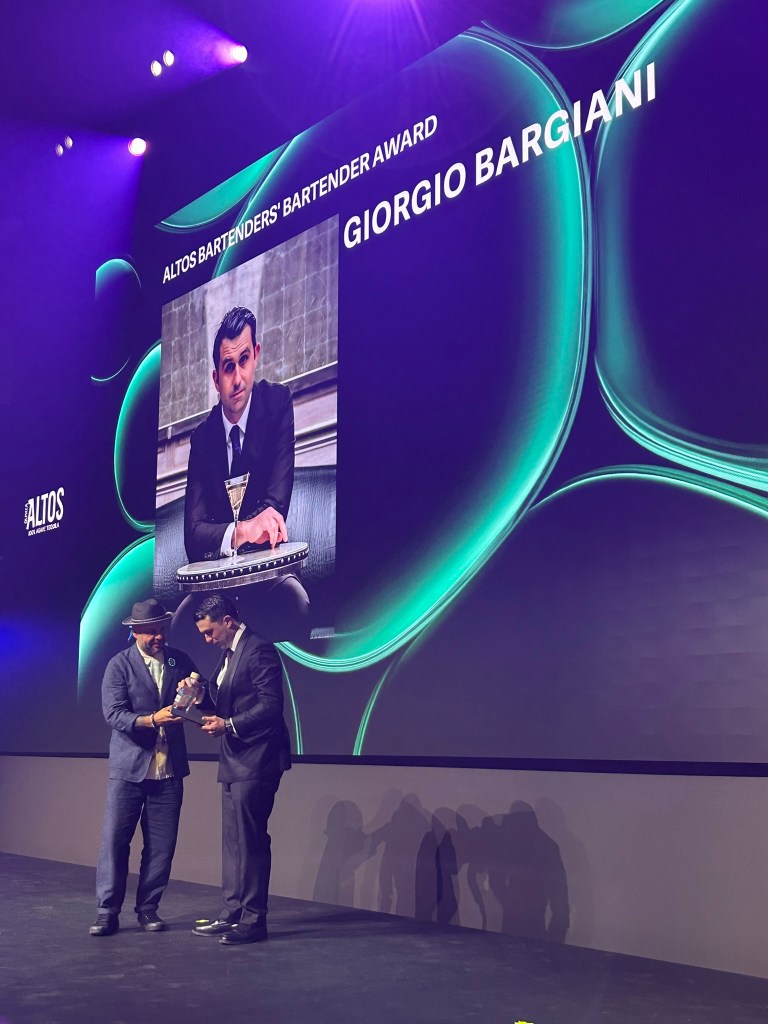
of the year
Paris Has Entered the Conversation
From a French perspective, one of the evening’s most encouraging stories was the strength of Paris.
The city placed five bars among the Top 34:
- #5 Bar Nouveau
- #7 The Cambridge Public House
- #19 Danico
- #27 Harry’s Bar
- #34 De Vie
For years, Paris was often perceived as lagging behind London, Barcelona or Athens in cocktail innovation.
That argument is becoming increasingly difficult to defend.
What is particularly striking is that the Parisian bars receiving recognition are succeeding for exactly the same reasons highlighted throughout the week: strong identities, compelling concepts, sustainability and genuine hospitality.
The Bigger Picture
Perhaps the most fascinating aspect of this first European ranking is not who finished first, but what the list reveals about the continent as a whole.
The final tally shows these countries being on top:
- Italy: 9 bars
- United Kingdom: 7 bars
- Spain: 7 bars
- Greece: 5 bars
- France: 5 bars
- Sweden, Czech Republic and Norway: 2 bars each
- Netherlands, Germany, Denmark, Poland, Slovakia, Austria, Switzerland, Albania: 1 bar each
Italy’s dominance is particularly impressive, with venues spanning Milan, Florence, Rome and Naples. Spain continues to demonstrate extraordinary depth, while Greece’s top two positions confirm Athens as one of the defining cocktail cities of the decade. France, meanwhile, is quietly enjoying its strongest period in years.
As European cocktail culture becomes more connected and diverse, future editions have an opportunity to shine a light on scenes that remain underrepresented on the international stage. Countries such as Portugal, Ireland, Belgium, Croatia, Romania and Serbia all possess talented bartenders, distinctive drinking traditions and increasingly ambitious bar programmes.
One of the greatest strengths of bars is their ability to tell stories about places and the people who inhabit them.
The broader this ranking becomes, the more opportunities we have to discover new cultures, new flavours and new perspectives.
Because the most exciting thing about any ranking isn’t seeing familiar names at the top, it’s finding somewhere you’ve never thought to look before!
Cheers everybody!


Leave a Reply