
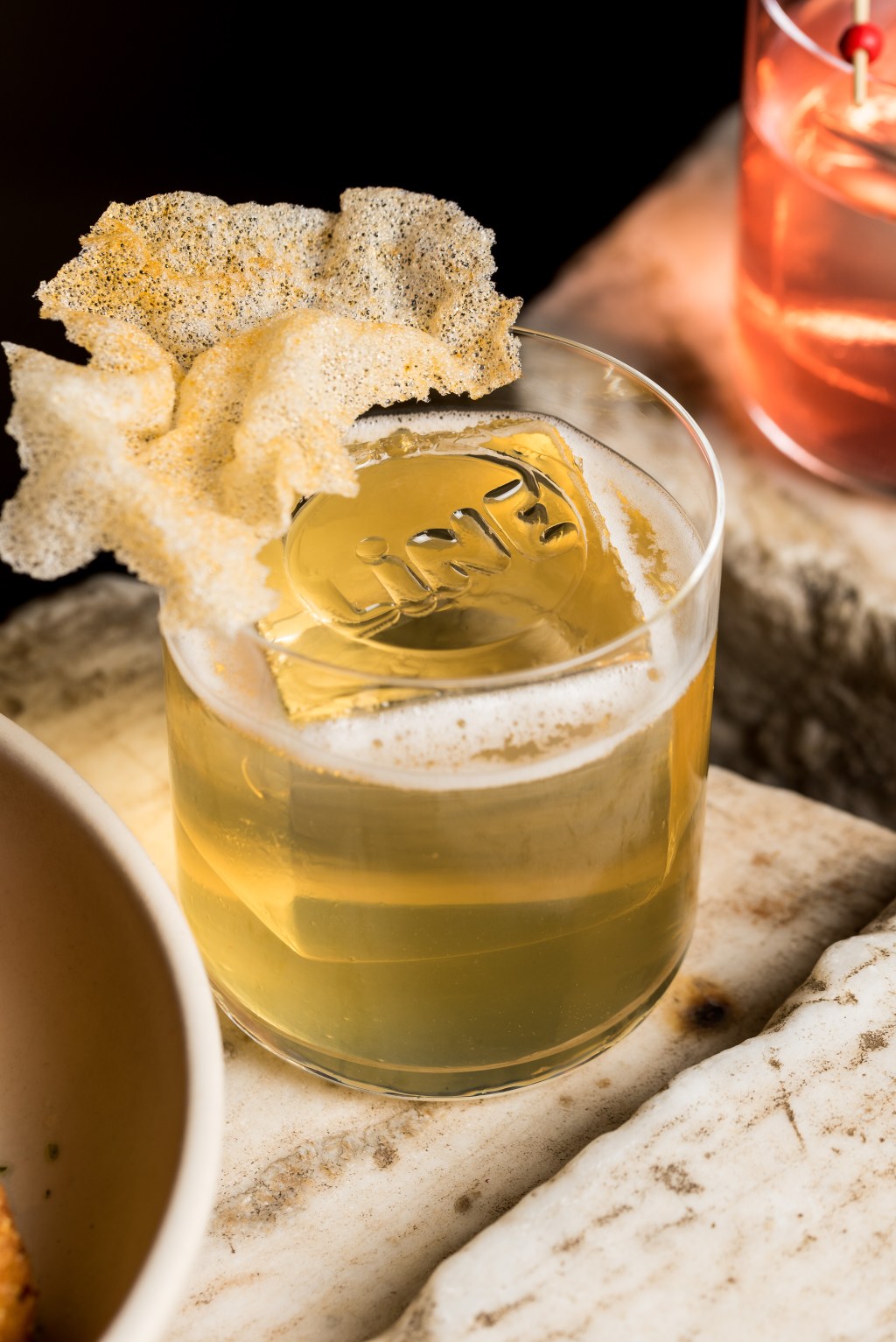
In just a few years, Line Athens has transformed itself from an ambitious local project into one of the most influential bars in the world. Named Europe’s Best Bar in 2026, the venue is celebrated for its innovative use of fermentation, fruit wines, and sustainable practices. But speak to the team behind Line, and it quickly becomes clear that their success is not built on technique alone. At the heart of the bar is a distinctly Greek approach to hospitality, guided by the concept of meraki: doing something with care, devotion, and a piece of yourself.
In this interview, Michail Angelos Zeimpekis discusses Line’s evolution, the philosophy that drives the team, and how a commitment to hospitality continues to shape one of the world’s most acclaimed bar experiences.
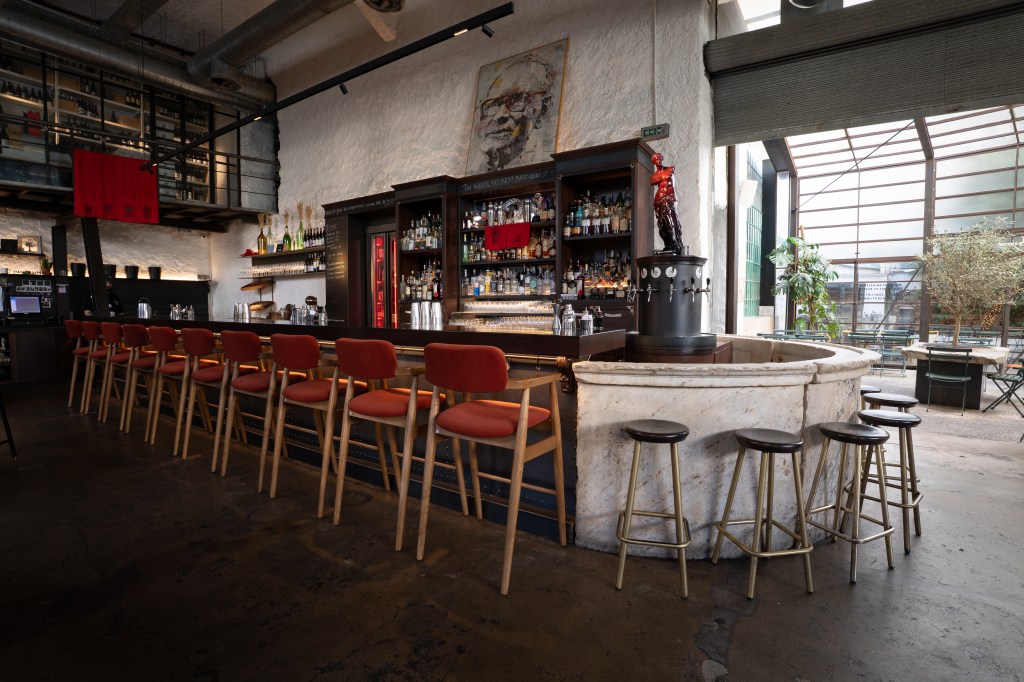
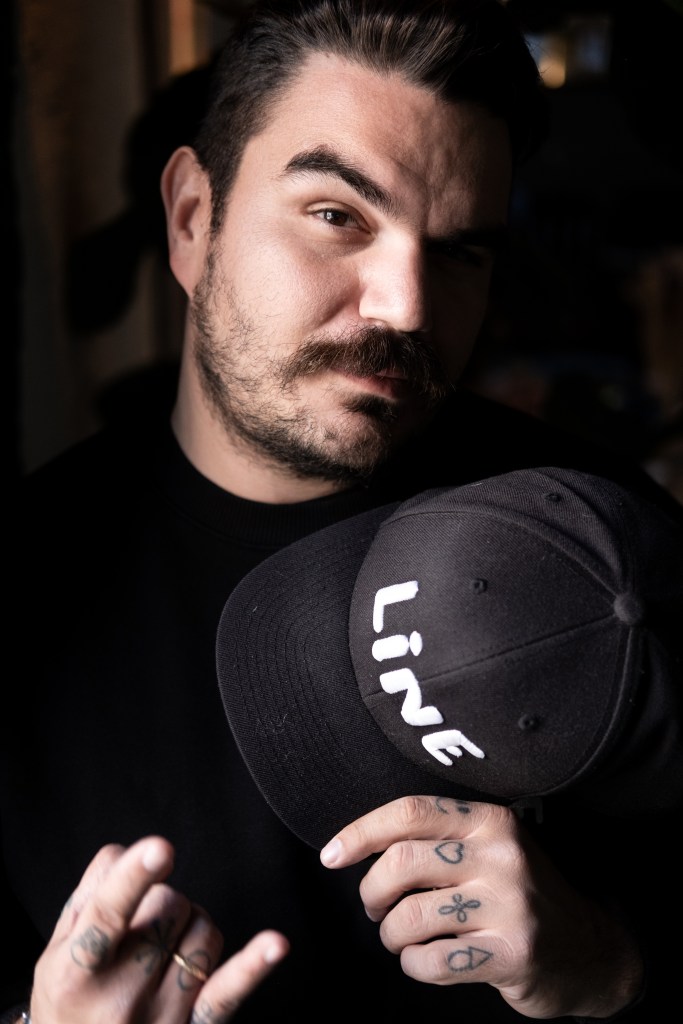
Five Things That Stand Out From Our Conversation With Line Athens:
1. Success wasn’t built around rankings
Line never set out to become Europe’s Best Bar. The team focused on developing a clear philosophy and authentic guest experience.
2. Fermentation is only part of the story
While Line is famous for its fruit wines and fermentation programme, hospitality remains at the heart of everything they do.
3. Meraki defines their approach
This uniquely Greek concept of care, devotion, and attention to detail influences every aspect of service.
4. Sustainability is a practice, not a marketing message
At Line, reducing waste and maximizing ingredients are operational decisions, not simply talking points.
5. The journey is far from over
Despite international recognition, the team views success as motivation to continue evolving rather than a final destination.
When Line first opened, what did you hope it would become, and how has that ambition evolved over time?
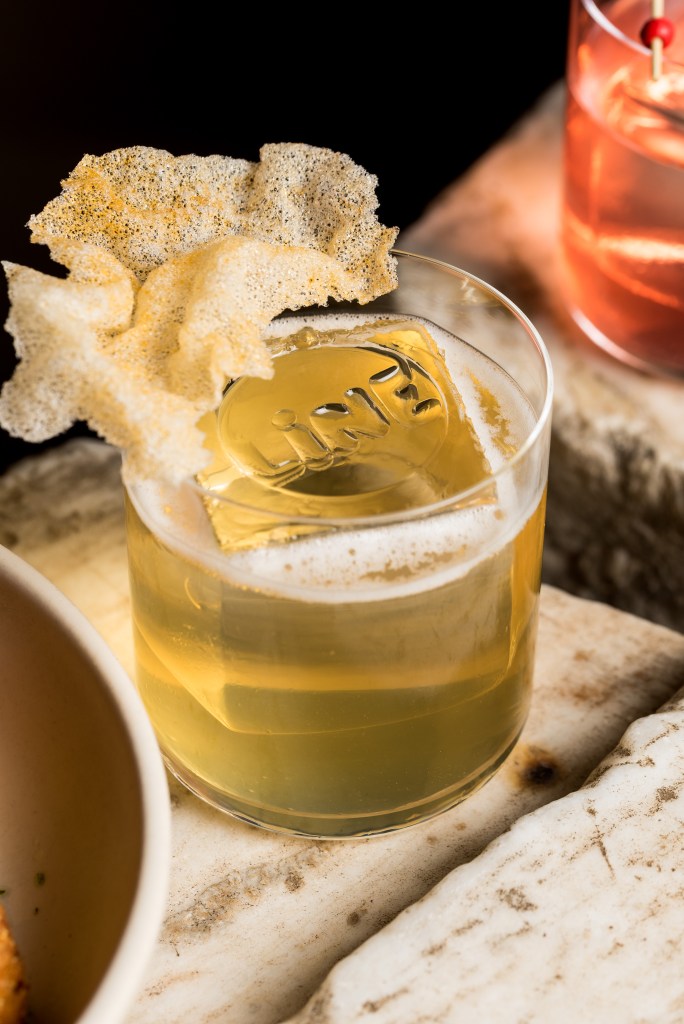
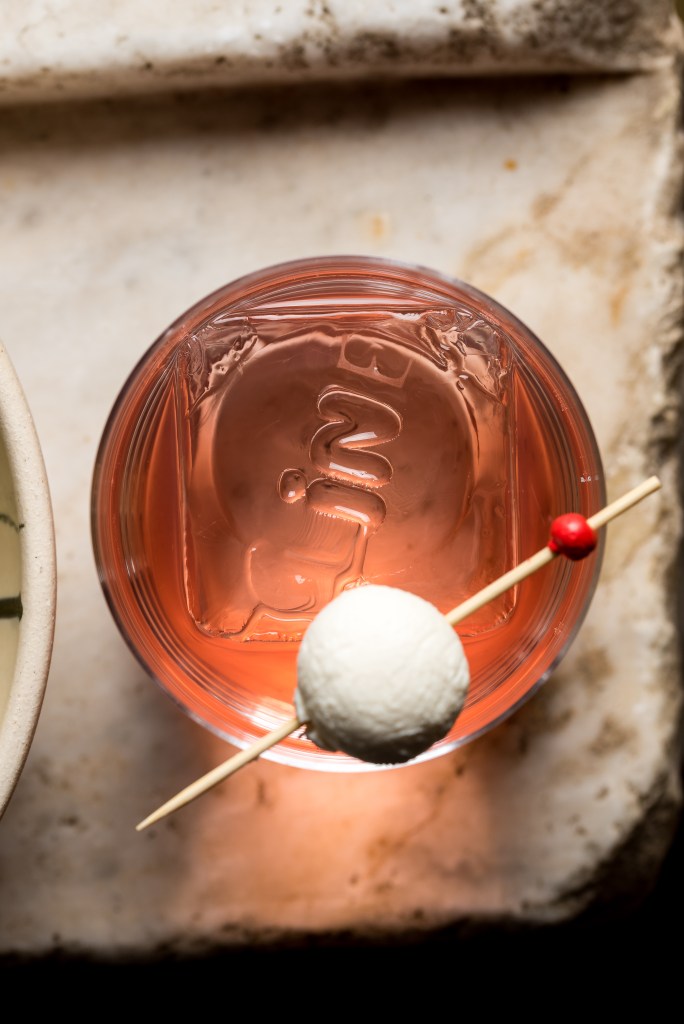
I would describe Line as a bar where ingredients, time, technique, and hospitality come together. Fruit wines, fermentation, cocktails, food, and service are all part of the same conversation. The work can be technically complex behind the scenes, but the experience for the guest should always feel warm, direct, and generous.
The original idea was shaped by Vasilis Kyritsis, Nikos Bakoulis, Dimitris Dafopoulos, and Aimilia Bagia, who wanted to build a bar around a deeper relationship with raw ingredients. Instead of starting only with spirits or traditional cocktail structures, Line looks at fruit, seasonality, fermentation, preservation, and the possibilities of using an ingredient more completely. The vision was not simply to open another cocktail bar, but to create a place with its own language—one that connects research and creativity with the character of Greek hospitality.
I believe that original vision has been achieved, but it has also evolved. A strong concept cannot remain static. As the team learns, travels, collaborates, and works with new ingredients, the identity of Line becomes clearer and more mature. Sustainability has also become increasingly practical and operational: it is not only part of the story, but part of how we develop products, manage ingredients, reduce waste, and make daily decisions.
For me, Line’s success is not that it has arrived at a final destination. It is that the original idea remains strong enough to keep evolving without losing its identity.
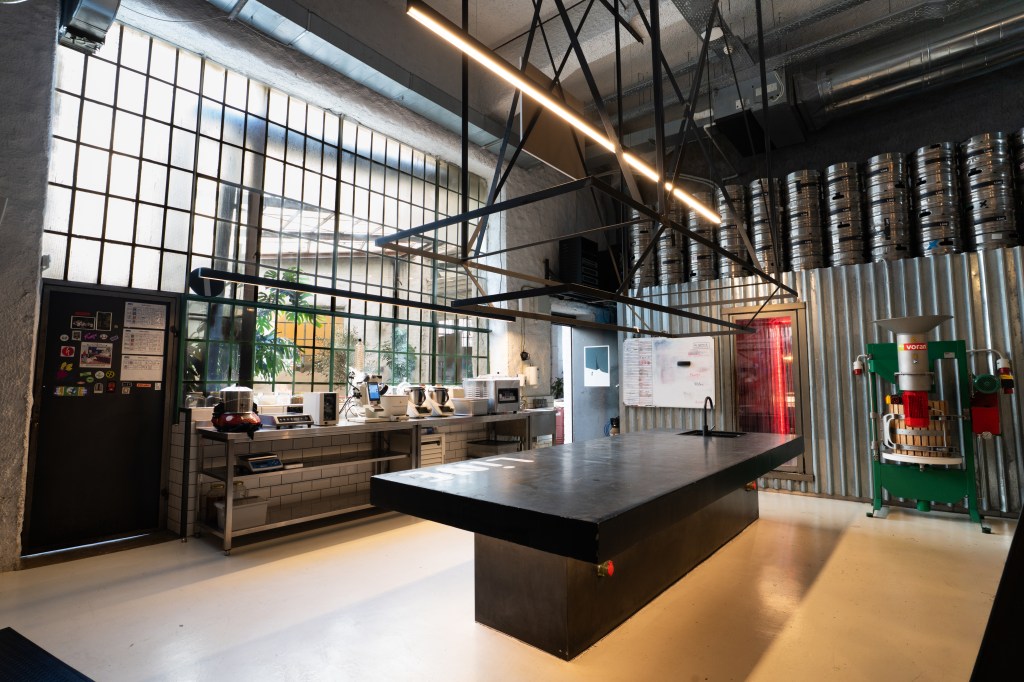
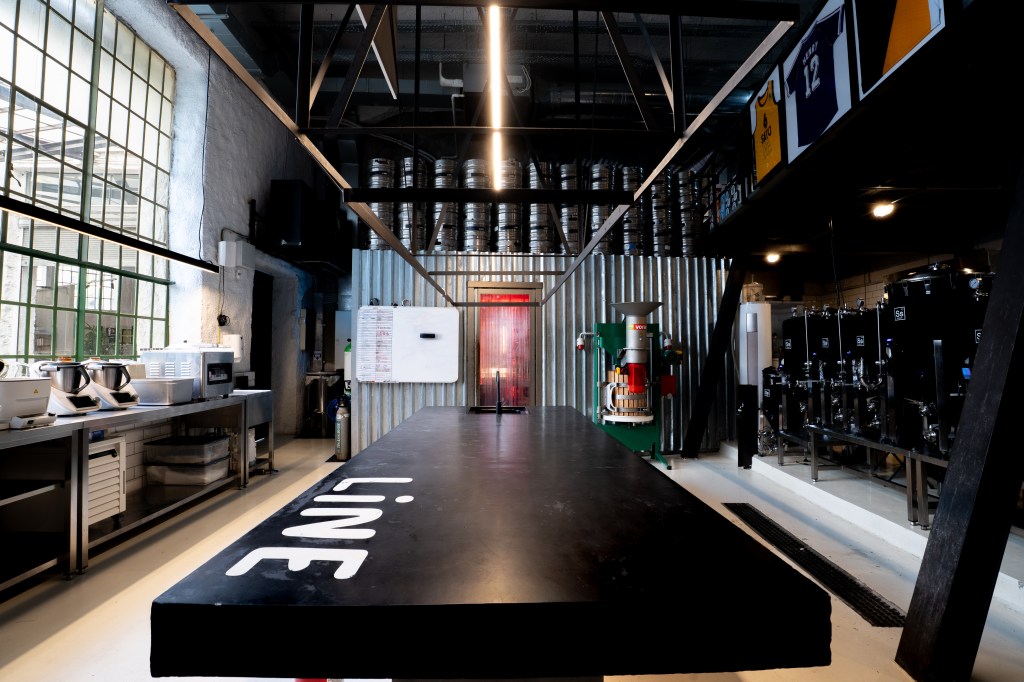
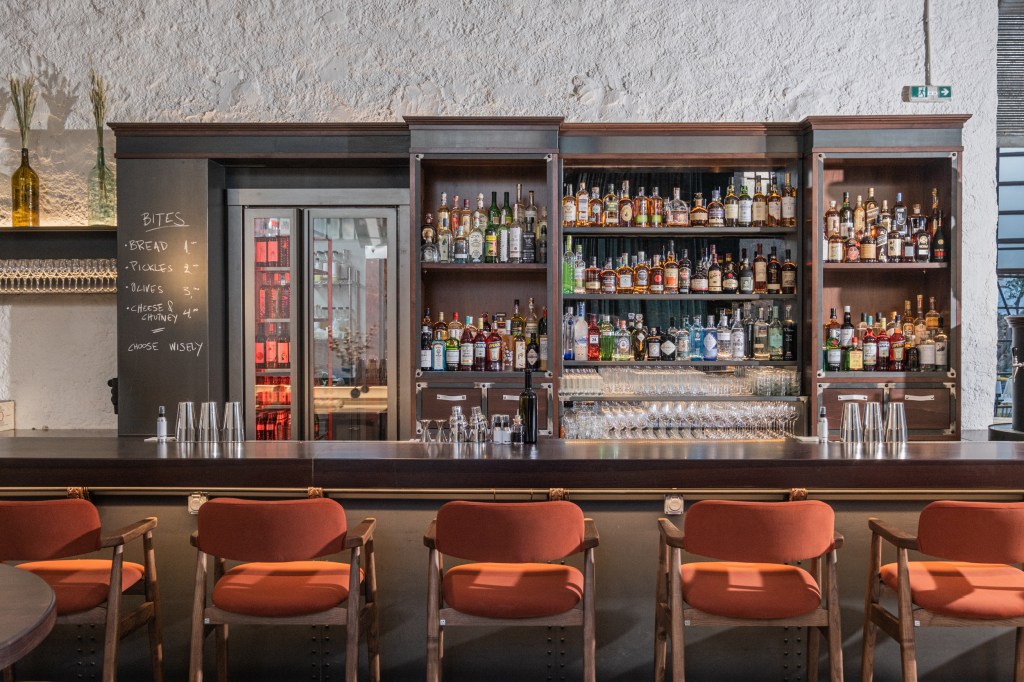
What does this recognition mean to you and your team, and what do you think set Line Bar apart in Europe?
This recognition means a great deal because it reflects how an original vision has been carried forward by an entire team. Line is built every day through research, preparation, service, collaboration, consistency, and trust between people. The award celebrates what guests experience at the bar, but also everything that happens behind the scenes to make that experience possible.
I do not think one single product or technique sets Line apart. It is the way the whole bar speaks the same language. The research, fruit wines, fermentation, food, cocktails, circular thinking, and service are connected rather than treated as separate ideas. Nothing is added simply to make a statement; everything has to contribute to the guest’s experience.
At the same time, we never want the technical side to stand between us and the guest. There may be a great deal of research and complexity behind a drink, but the final experience should feel natural, generous, and enjoyable. Technique should support hospitality, not replace it.
Europe has an incredibly strong and diverse bar scene, so to be recognized within it is both an honor and a responsibility. It gives us confidence that a bar with a distinct Greek point of view can communicate internationally, while reminding us to remain curious, disciplined, and true to the work.
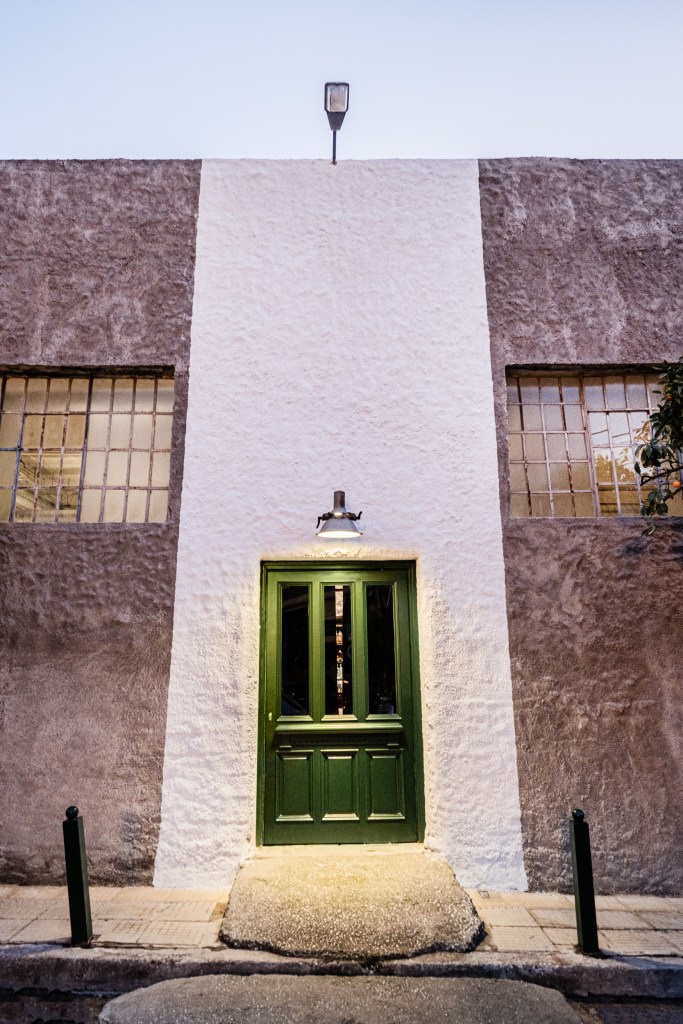
You mentioned meraki at the press conference as a key part of Line’s identity. How would you define it, and how does it shape the way your team approaches hospitality?
Meraki is difficult to translate with a single English word. It is something you recognize through the care, attention, and presence someone brings to what they do. It is not about trying to impress someone. It is about being fully present and treating even a small detail as meaningful.
In Greek hospitality, this care is often expressed through generosity and direct human connection. You want people to feel comfortable, included, and looked after—not because a service manual tells you to, but because you genuinely care about their experience. At Line, we try to combine that natural warmth with the consistency that a professional bar requires.
The challenge is making sure these values are not just something we talk about, but something the guest can truly feel. It starts with the way we treat each other as a team and continues in the way we welcome people into the bar. We try to be present, to listen, and to understand what each guest needs in that moment. Everyone in the team brings their own personality to the experience, because true hospitality should feel natural and personal, never rehearsed.
Consistency does not mean treating every guest in exactly the same way. It means giving everyone the same level of care while understanding that each person may need something different. One guest may want to hear the full story behind a fermentation, while another may simply want a good drink and a relaxed conversation.
That is where meraki becomes real for us: in the details, in the care, and in the way we make people feel welcome. The technique may be behind the drink, but the human connection must always be in front.
For me, that is the simplest way to describe it: meraki is doing something with care, devotion, and a part of yourself.
Looking back at your journey, was there a defining moment when you realized Line Bar had the potential to become one of the world’s best bars?
Honestly, there was no single moment. We never looked at Line and thought, “This could become number one.” We were not building the bar with a ranking in mind, and we were never trying to calculate how to get there.
The moments that gave us confidence were much quieter: returning guests, honest conversations, and people from the industry whose work we respect visiting Line and sharing what they genuinely felt about the bar. That already felt like a real award to us.
It did not make us start thinking about rankings. It simply made us understand that the work was connecting with people beyond Athens. We took that as encouragement to continue—not as proof that we had arrived.
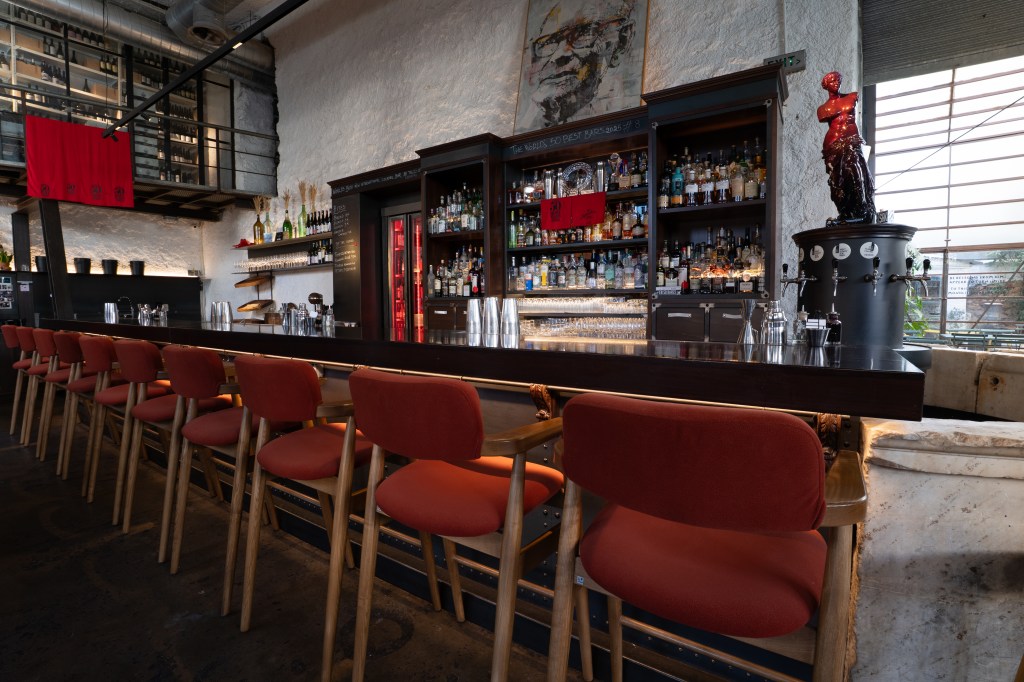
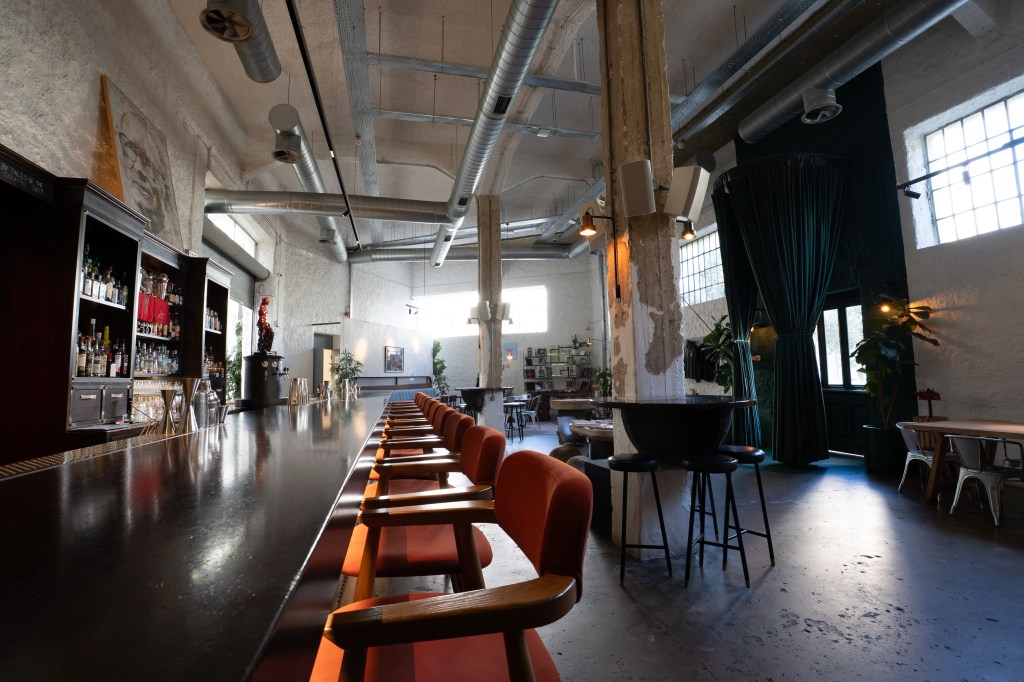
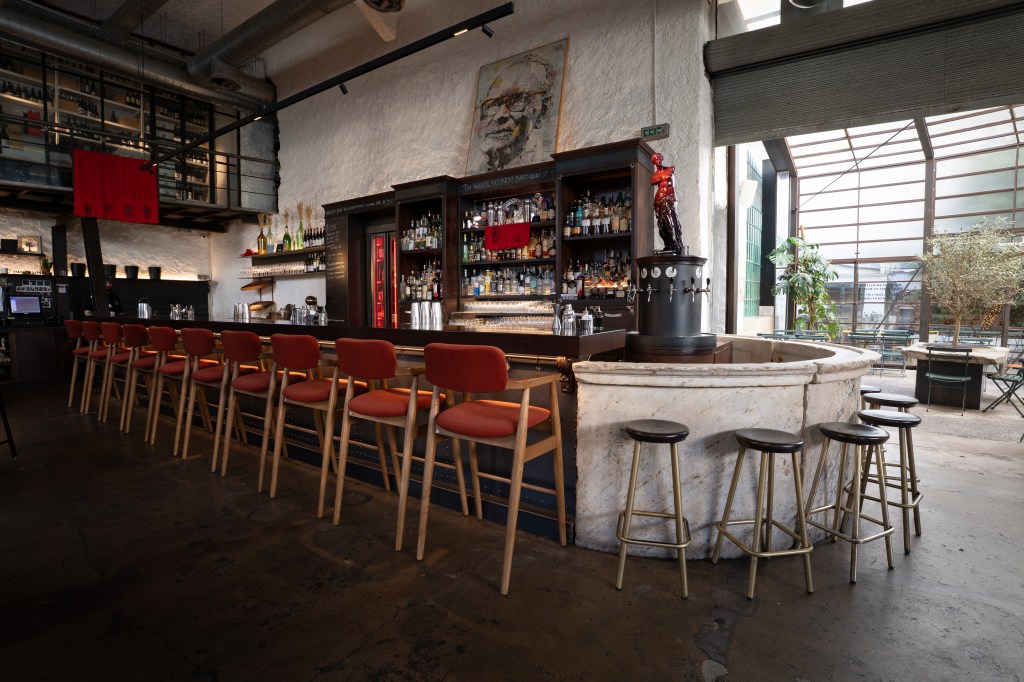
How has being named Europe’s Best Bar changed the way you think about Line’s future, both as a team and as individuals?
We are still enjoying the moment, because something like this does not happen every day. It is important to pause, celebrate with the team, and appreciate all the people who contributed to the journey. At the same time, recognition naturally makes you think about what comes next.
For us, the future is not about changing Line into something different. It is about protecting what made people connect with it in the first place, while continuing to learn and evolve. Recognition brings more attention, more guests, and new opportunities, but it also brings responsibility. We have to remain consistent, support the team, and make sure that every person who visits Line feels the same warmth and care, whether they have travelled across the world or simply walked in from the neighborhood.
Personally, this may open different doors for each of us—new collaborations, travel, conversations, and opportunities to share our work. But I hope it does not change the way we see ourselves or the way we treat people. The best change would be having more opportunities to learn, contribute, and give something back to the industry.
The biggest responsibility now is to protect the feeling of Line as more people come to experience it. Recognition can bring attention, but it is still the individual guest standing in front of us who matters most.
Do you have a bar mentor?
I would not say I had one single mentor. I learned different things from different people throughout my career—managers, bartenders, chefs, colleagues, and industry professionals who were generous enough to share their experience honestly.
Some taught me technique, while others taught me discipline, leadership, service, or how to remain calm under pressure. Often, the most important lessons came simply from observing how someone worked, treated their team, and made guests feel. I feel fortunate to have had many influences, and I try to respect them by remaining open, continuing to learn, and sharing what I know with others.
What is your motto?
“Stay humble, stay grounded, and keep working. Talent opens the door; discipline keeps you there.”
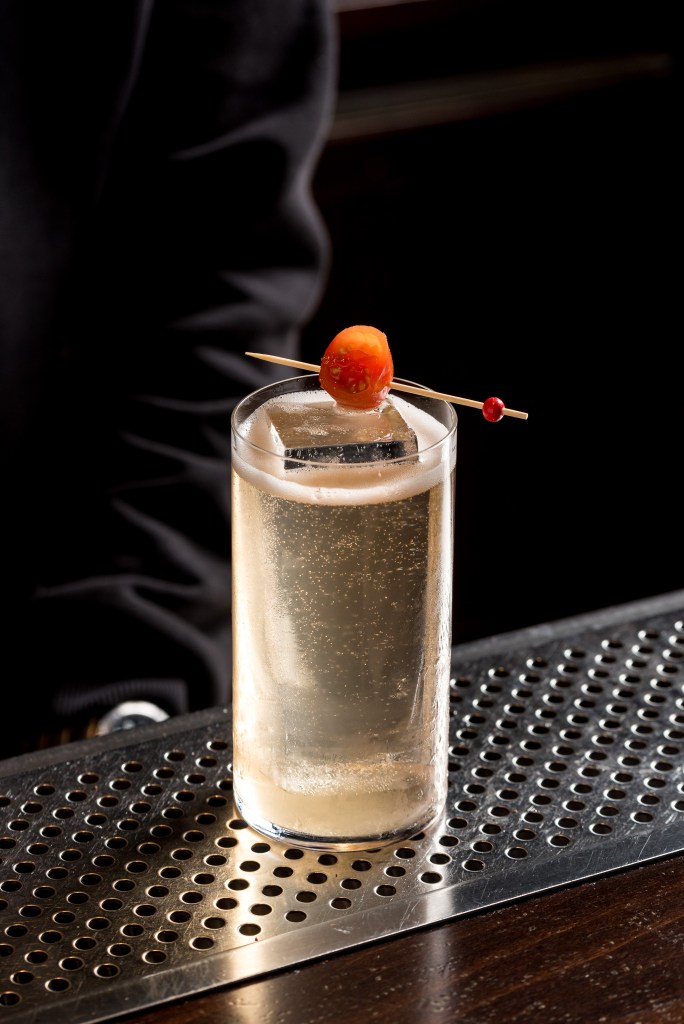
Beyond the awards, the rankings and the international acclaim, one word emerges from this interview: meraki.
While Line has become internationally recognised for its work with fermentation, fruit wines and sustainability, those innovations feel almost secondary to the philosophy that underpins them. Throughout Zeimpekis’ answers, the focus continually returns to people: the team, the guests, the daily process, and the care that goes into every detail. Recognition may have placed Line in the spotlight, but its attention remains firmly fixed on the work itself.
What makes Line particularly interesting is that its success challenges the idea that there is a universal formula for great hospitality. Rankings may celebrate bars from every corner of the world using similar measures of excellence, yet the most memorable venues often express those values through their own cultural identity. At Line, that identity is rooted in the Greek concept of meraki; a sense of care, devotion, and personal investment that is difficult to translate, but easy to recognise.
In many ways, Line’s story suggests that the future of hospitality is not about making bars more alike. It’s about allowing them to speak in their own voice while remaining generous, authentic and deeply connected to the people they serve. For a bar that has reached the top of Europe’s cocktail scene, that may be its most inspiring achievement.


Leave a Reply