
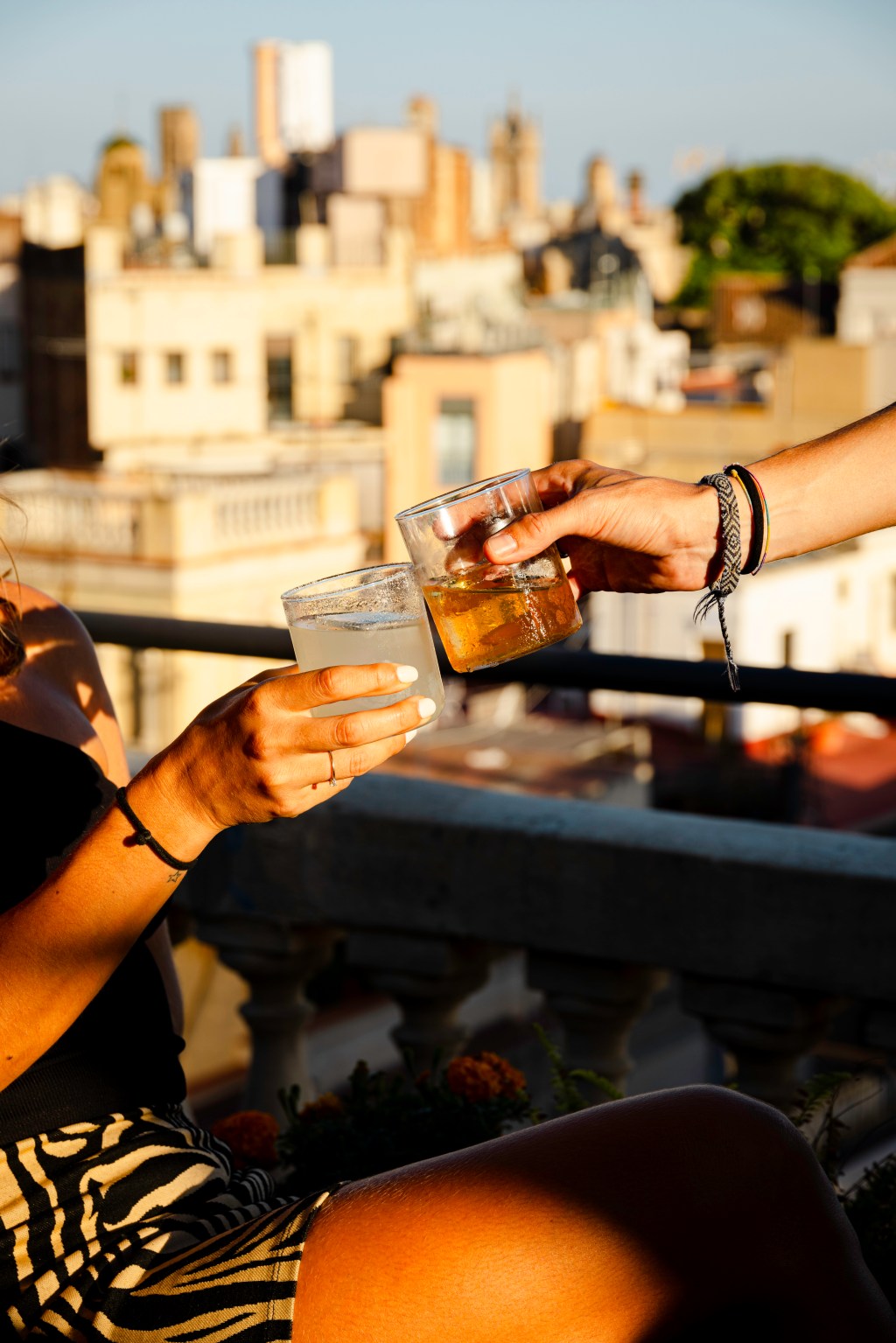
Barcelona has long been one of Europe’s most exciting cocktail destinations, home to world-renowned bars, innovative bartenders, and a hospitality culture that blends Mediterranean warmth with global ambition. Yet one of the most notable developments in recent years has been the growing influence of hotel bars, which are increasingly becoming destinations in their own right rather than simply amenities attached to a hotel.
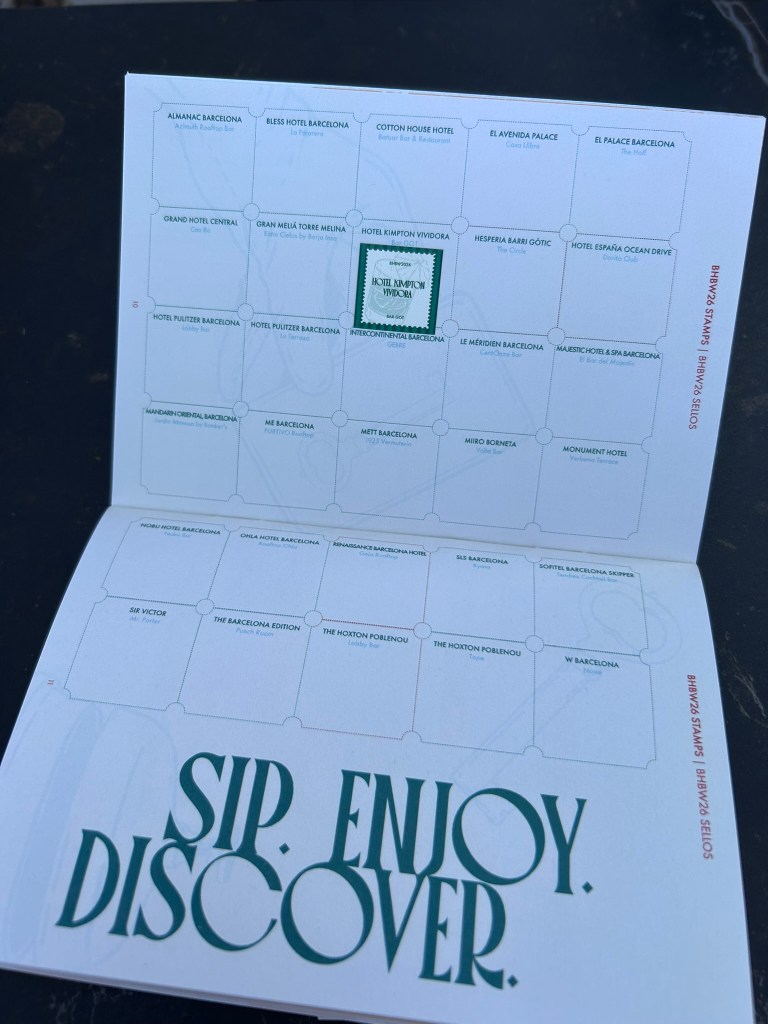
That evolution was particularly evident during the second edition of Barcelona Hotel Bar Week, which brought together 30 hotel bars, more than 70 events, and some of the most respected names in international hospitality and mixology. Founded by Bianca Grisolia, the event was created specifically to showcase the role hotel bars play in shaping a city’s drinking culture and hospitality identity.
Fresh from attending the World’s 50 Best Hotels Awards, one thing became increasingly clear: today’s leading hotels are judged not only by their rooms and facilities, but by the experiences they create. And more often than not, those experiences begin and end at the bar.
During Barcelona Hotel Bar Week 2026, I spoke with Marcos Miranda, Food and Beverage Manager of the Kimpton Vividora Hotel, one of the participating properties, about why hotel bars have become the heart of modern hospitality, how they serve both travellers and locals, and why collaboration is helping Barcelona’s hotel bar scene reach new heights.
What role does the hotel bar play in the overall guest experience today?
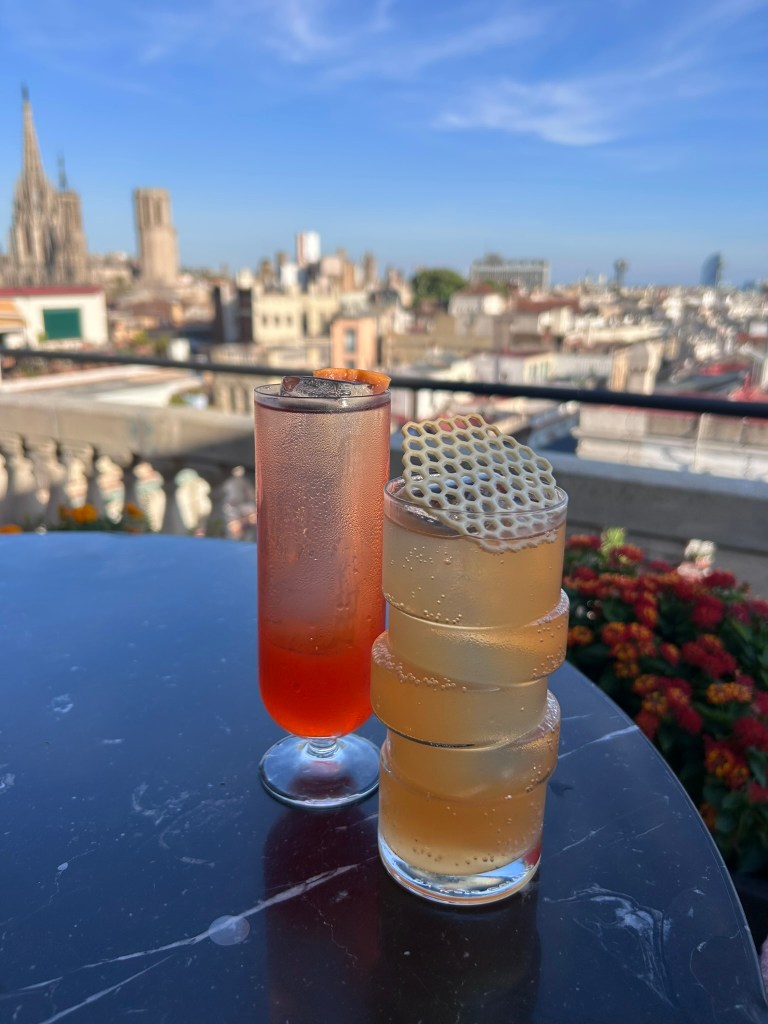
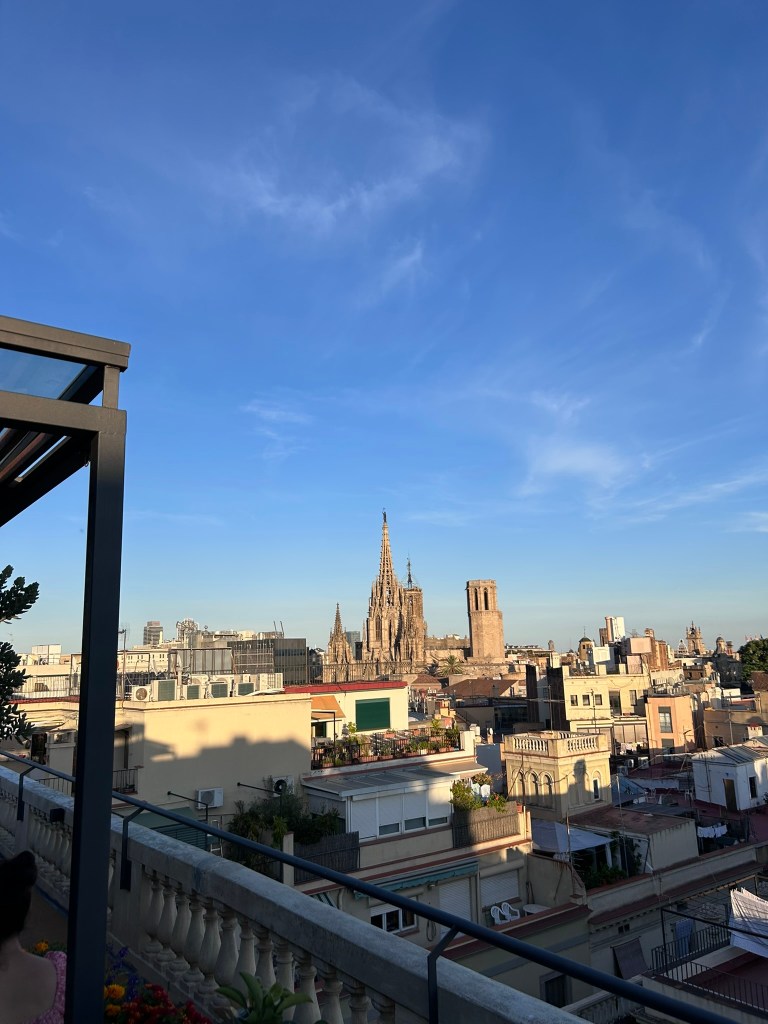
Marcos Miranda: The bar has become the hotel’s living room. It’s often the first place guests go after check-in and the last stop before going up to the room. It’s the space where a hotel stops being somewhere to sleep and becomes somewhere to be. For many guests it’s also their first contact with the city: the bartender is the one who tells them where to eat, which neighbourhood to walk through, what not to miss. At Vividora we see it at GOT, which runs from morning coffee to late-night cocktails, and at Terraza de Vivi at sunset over the Gothic Quarter. Guests book the room, but the bar is often what they remember and talk about.
Can an outstanding bar elevate the perception of an entire hotel?
MM: Absolutely, and a weak one can bring it down just as fast. When guests have a great drink and a genuine conversation at the bar, they assume that same care runs through the whole house. The bar is the most visible and social expression of a hotel’s standards. You see them in the glassware, the ice, the pace of service, and how the team reads the room. Plenty of hotels are discovered through their bar first, and that’s a reputation rooms alone can’t build. It works internally too: a strong bar programme lifts the restaurant, the terrace, in-room dining and events, because the whole F&B team starts working to that level.
What can bars learn from hotels when it comes to hospitality?
MM: Hotels are built around the idea that the guest is staying, not just passing through, and that changes everything. You remember names and preferences, you anticipate instead of react, and you think about the whole experience rather than a single transaction. Hotels also bring structure: standards, training, handovers between shifts, and the same consistency at 11 a.m. and at 1 a.m. And they teach you that hospitality doesn’t start or end at the counter. It includes the welcome at the door, the walk to the table, and the recommendation for tomorrow. The best independent bars already work this way. What hotels add is that discipline of care, applied every single day.
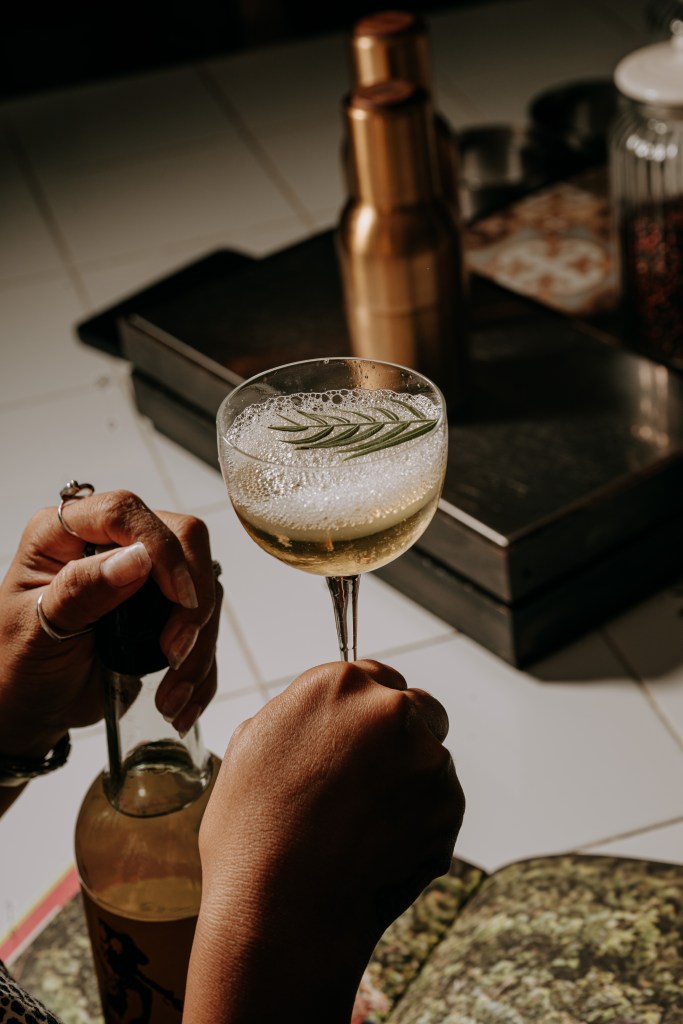
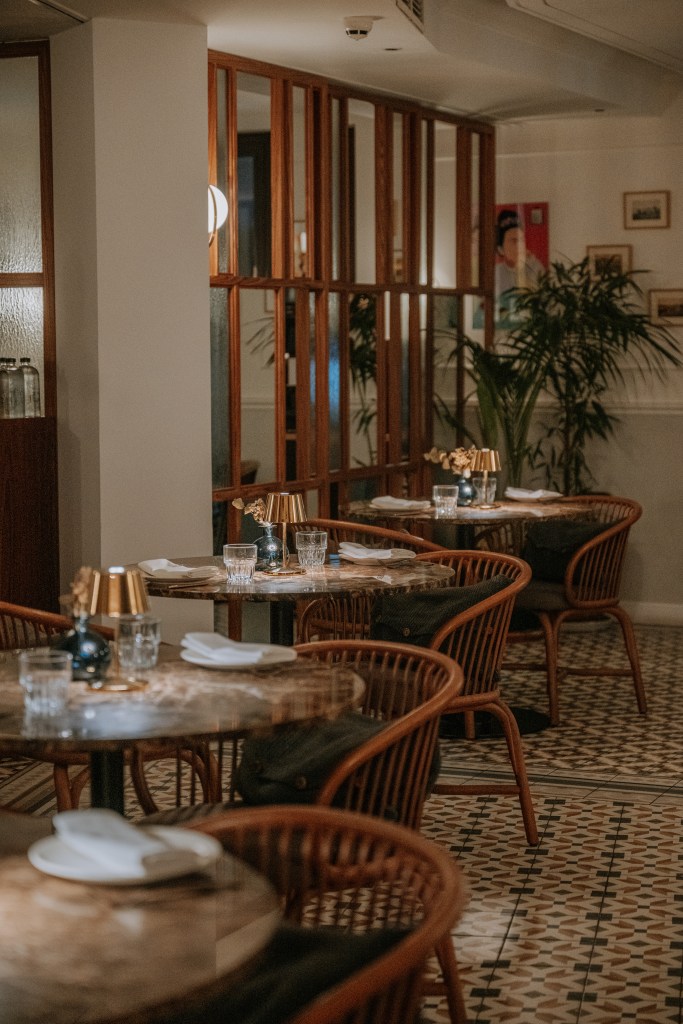
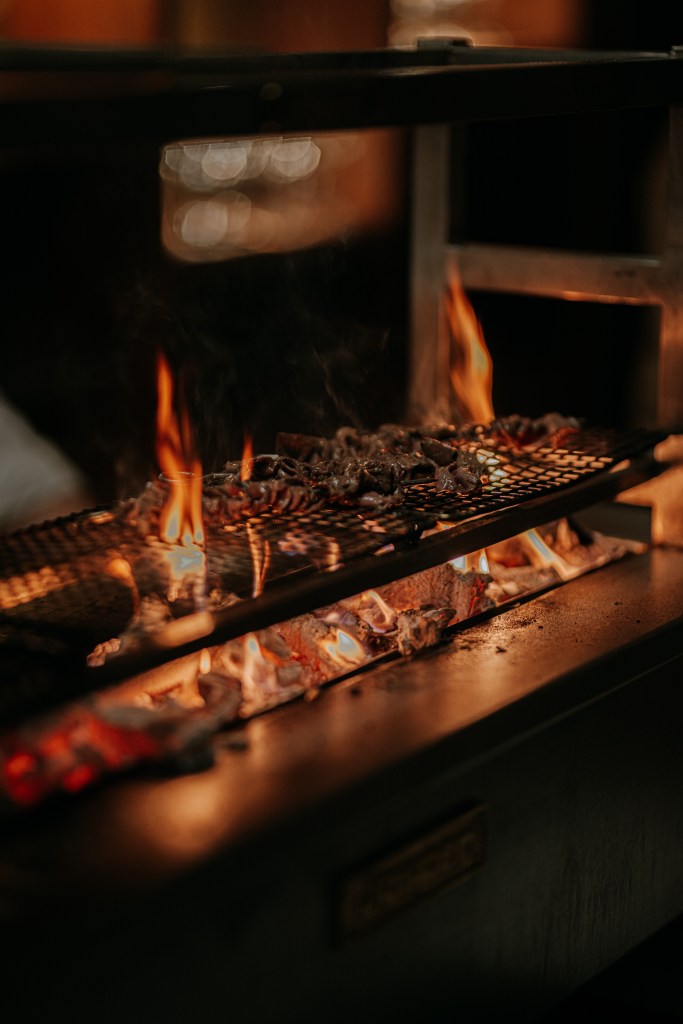
Hotel bars serve hotel guests, locals and international visitors at the same time. How do you cater to all of them?
MM: You don’t design for a “type” of guest. You design for something everyone wants, which is to feel welcome and looked after. Hotel guests often need guidance and a sense of place, so we give them Barcelona in the glass and in the conversation. Locals need a reason to come back: a programme that keeps evolving, events, guest shifts, a team they know by name. International visitors, especially people from the industry, want to see what the city is doing right now. A menu with a clear point of view but different entry points helps: signatures alongside classics, and serious no- and low-alcohol options. During Bar Week we hosted a full No & Low takeover, and that conversation is only growing. In the end, the common thread is the team. If they read each guest well, the same bar works for all three.
When cocktail quality is already very high across the city, does hospitality become the key differentiator for a hotel bar?
MM: I think so. Barcelona has some of the best bars in the world, and advanced technique is no longer rare. Clarifications, house-made cordials and precise ice are close to standard at the top level. When everyone can make an excellent drink, what people remember is how you made them feel. Did someone notice they were waiting? Did the bartender remember what they had last time? Did they leave with a dinner recommendation? Still, I wouldn’t separate the two. Hospitality without a good drink is just friendliness, and a perfect drink served without warmth is just a product. The difference is in the combination, and in a hotel bar it has to hold up every night, not only on the busy ones.
Why do hotel bars choose to collaborate through initiatives such as Barcelona Hotel Bar Week rather than simply compete?
MM: Because the real competition isn’t between us. A guest who has a great night in one hotel bar is more likely to try another, and the more people see Barcelona’s hotel bars as a destination, the better it is for everyone. Collaboration also makes us better. During BHBW 2026 we had Stan Harcinik from Mirror Bar, Silvia from Aldea and Andrea from Old Fashioned, the team from Roomers Bar in Berlin, and Nelson de Matos from Four Seasons Ritz Lisbon behind our bar. Our team learns more from a week of guest shifts and masterclasses than from months of working alone. It also connects hotels with the independent scene, with brands and with chefs, like our four-hands dinner at Fauna with the Ayala brothers from Jugoria. Hotel bars were once seen as a bit closed off. Initiatives like this open the doors, and the whole city benefits.
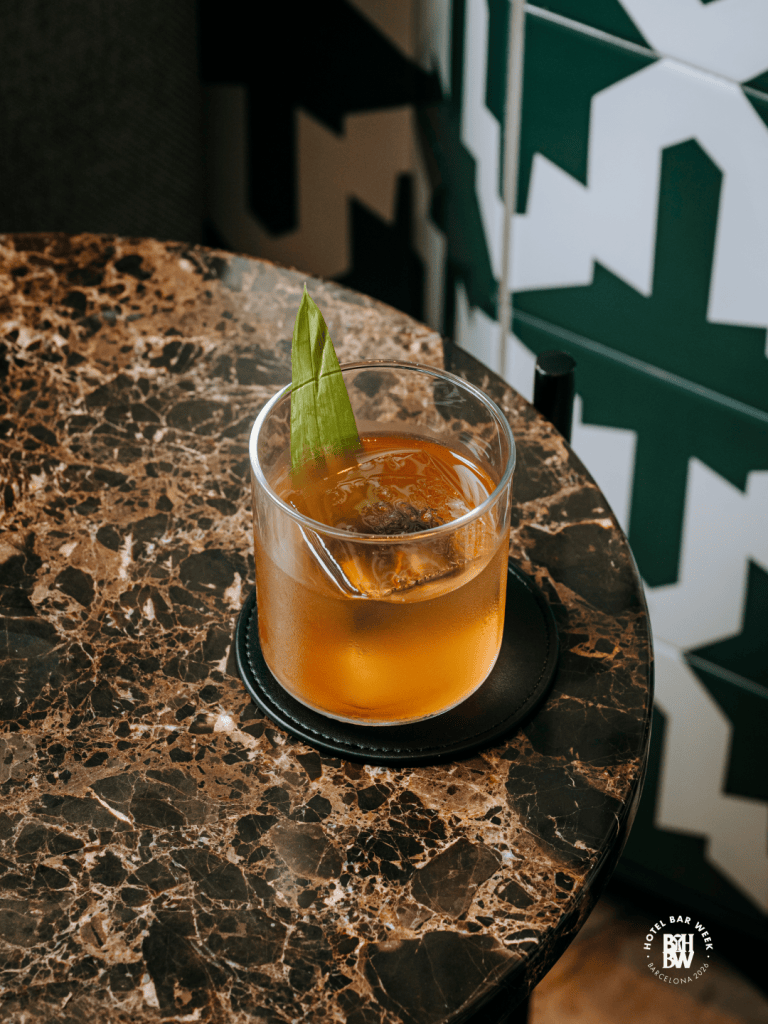
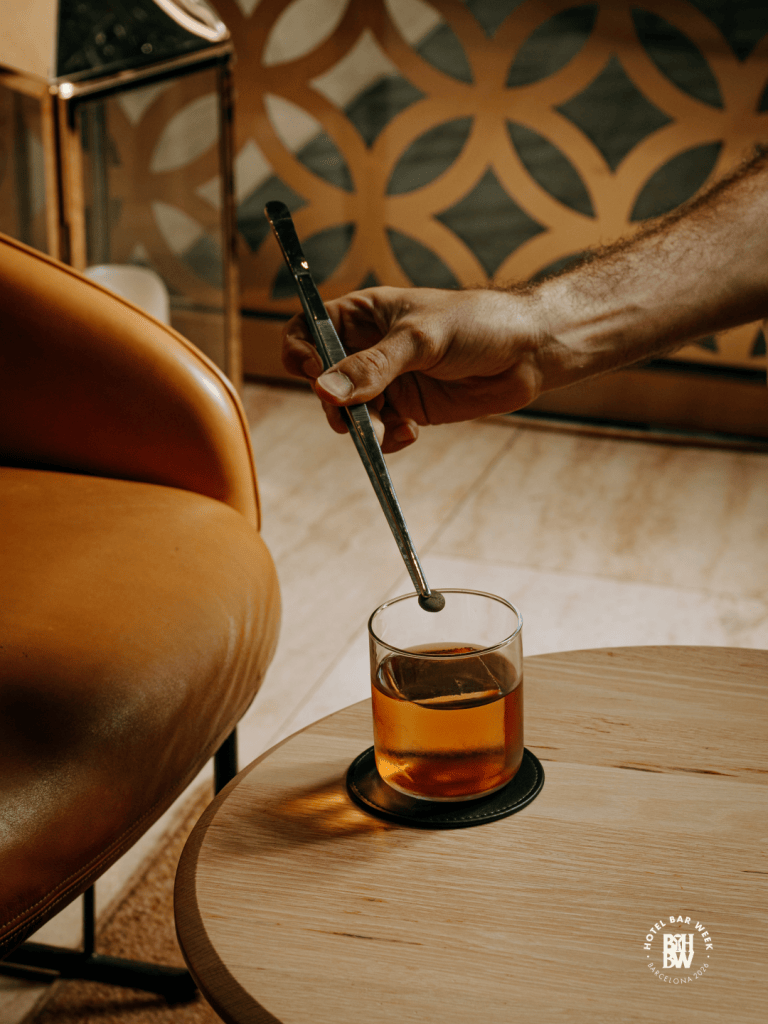
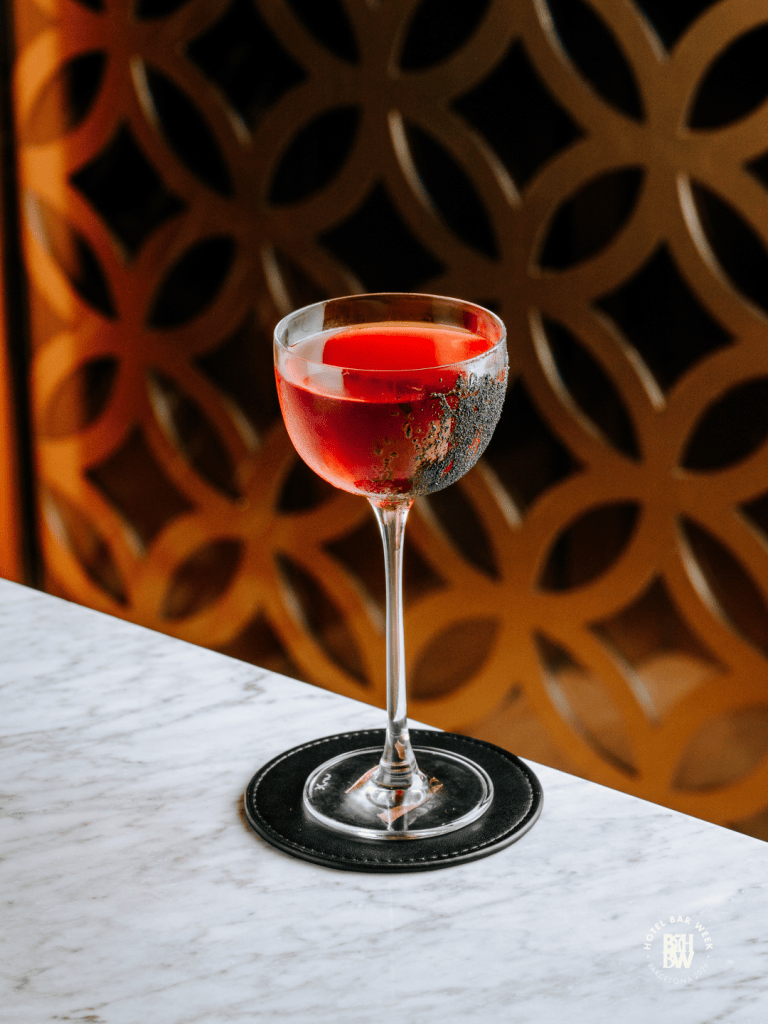
As Marcos Miranda‘s answers make clear, the future of hotel bars extends far beyond cocktails. They have become social hubs, local ambassadors, and some of the most visible expressions of a hotel’s personality and service culture.
In a city where technical standards behind the bar are already exceptionally high, hospitality has emerged as the true differentiator. The ability to create meaningful experiences, foster genuine connections, and make every guest feel welcome is what transforms a well-made drink into a lasting memory.
That philosophy sits at the very core of Barcelona Hotel Bar Week, an event that continues to demonstrate how collaboration can strengthen an entire hospitality ecosystem. As the festival looks ahead to its third edition in 2027, Barcelona’s hotel bars appear more united, more ambitious, and more relevant than ever.
For anyone following the evolution of luxury hospitality, one message is becoming increasingly difficult to ignore: guests may book the room, but it’s often the bar they remember!
https://www.instagram.com/kimptonvividora/


Leave a Reply