
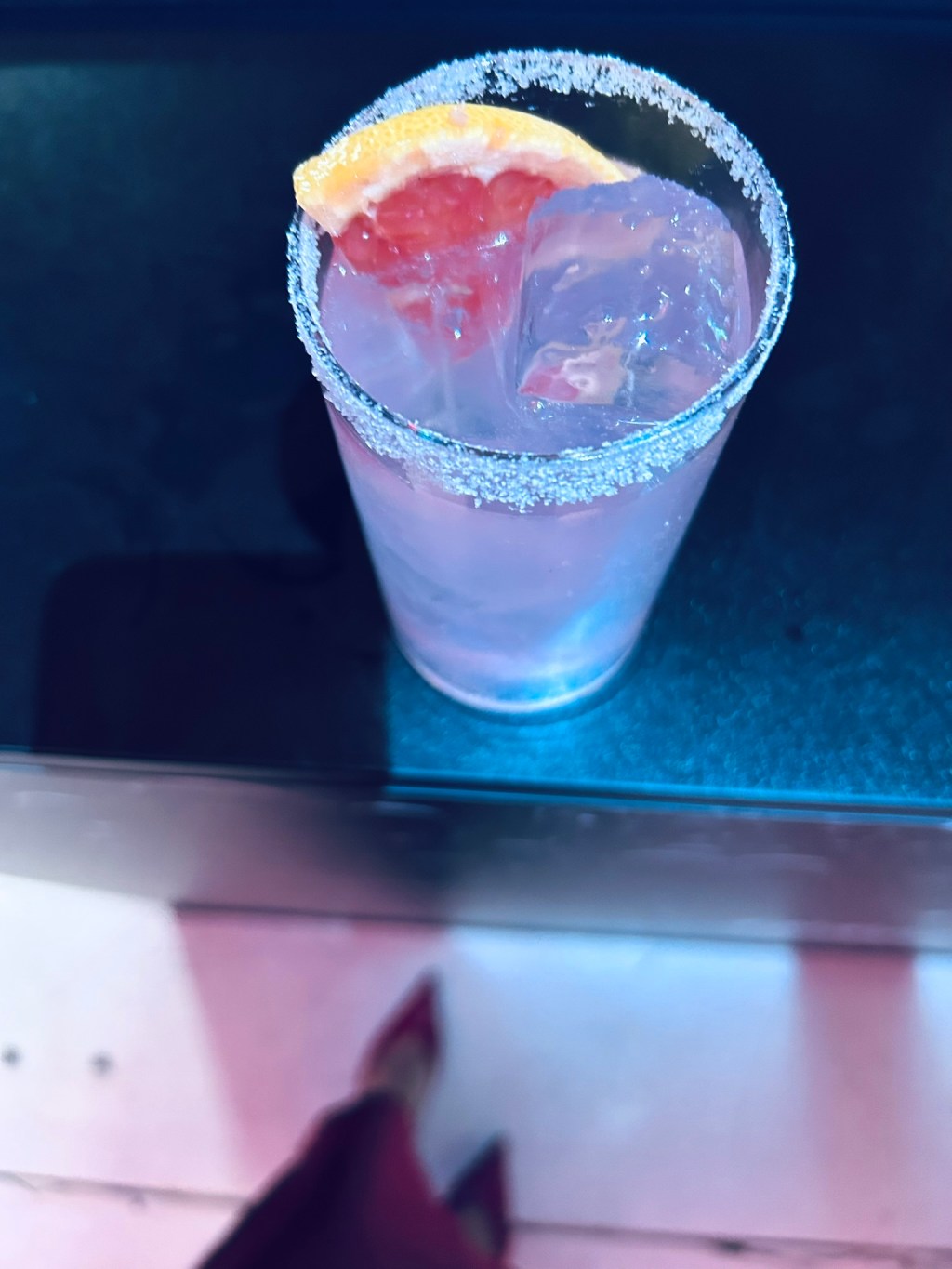
Every year, The World’s 50 Best Bars provides a snapshot of the industry’s elite. Yet beyond the rankings themselves lies a more compelling story: how bars are evolving into cultural, social and economic forces that shape tourism.
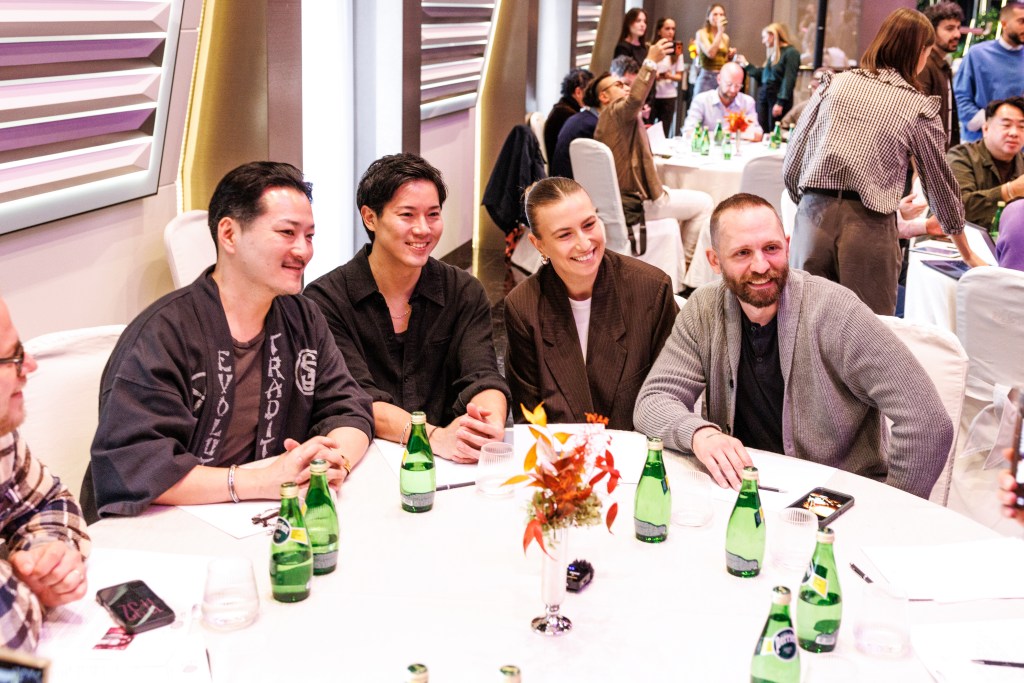
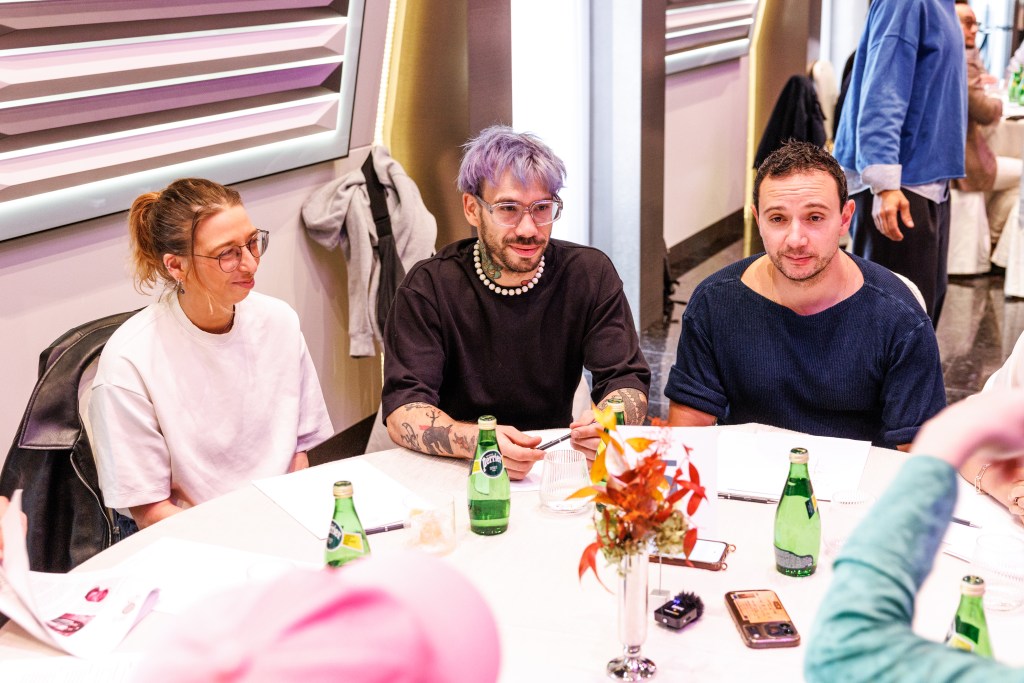
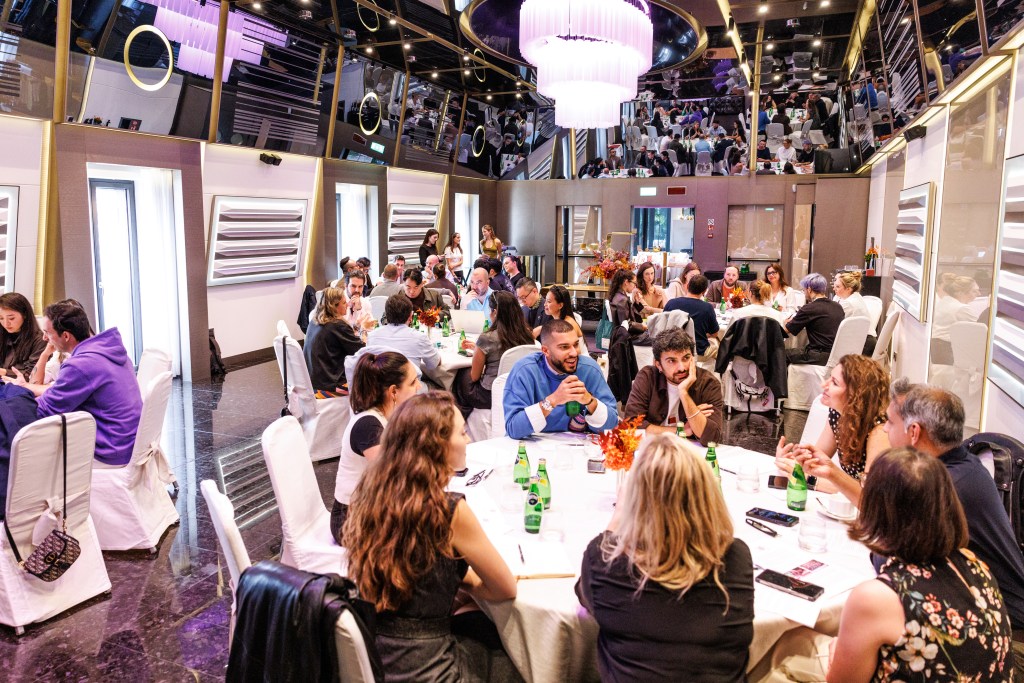
During the Meet the Bartenders sessions, a series of conversations organised alongside The World’s 50 Best Bars awards in Milan, bar teams from around the world shared the ideas, philosophies and local cultures shaping their venues.
Conversations with teams from Bar Nouveau in Paris, Sip & Guzzle in New York, Bar Carmen in Medellín, Locale Firenze in Florence and Hope & Sesame in Guangzhou revealed a striking common thread. Despite operating in different countries, cultures and markets, all five bars are using cocktails as a gateway to something larger than drinks.
At Bar Nouveau, cocktails become a conversation about art, design and philosophy. At Sip & Guzzle, they create a dialogue between Japanese craftsmanship and New York hospitality. At Bar Carmen, they tell the story of Colombia’s extraordinary biodiversity through local ingredients and close relationships with producers. At Locale Firenze, they celebrate Italian culture through regional products and even the country’s iconic hand gestures. And at Hope & Sesame, they introduce visitors to a side of Guangzhou many travellers might otherwise never discover, helping transform the southern Chinese city into an emerging cocktail destination.
For some, that means showcasing local ingredients and traditions. For others, it means introducing travellers to overlooked destinations, building communities or fostering exchanges between different bartending cultures. Together, they echo many of the themes Emma Sleight, Head of Content for The 50, discussed with me when reflecting on the future of cocktail culture.
What emerged in Milan was a picture of an industry increasingly shaped by identity, curiosity and hospitality, where bars are not only serving guests but also helping them discover cities, cultures and new ways of seeing the world.
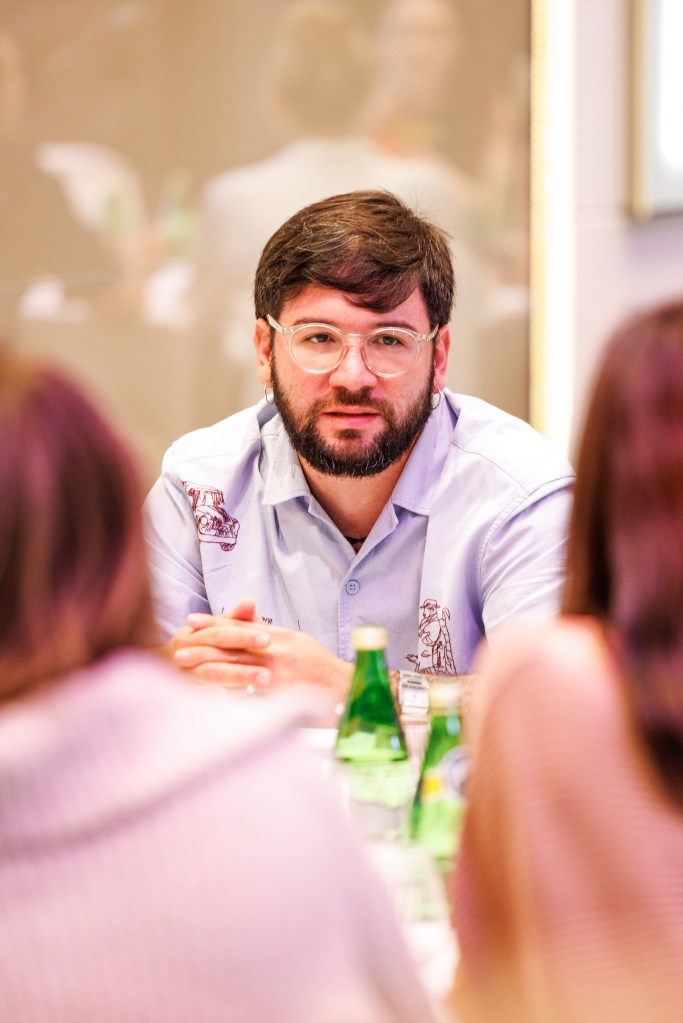
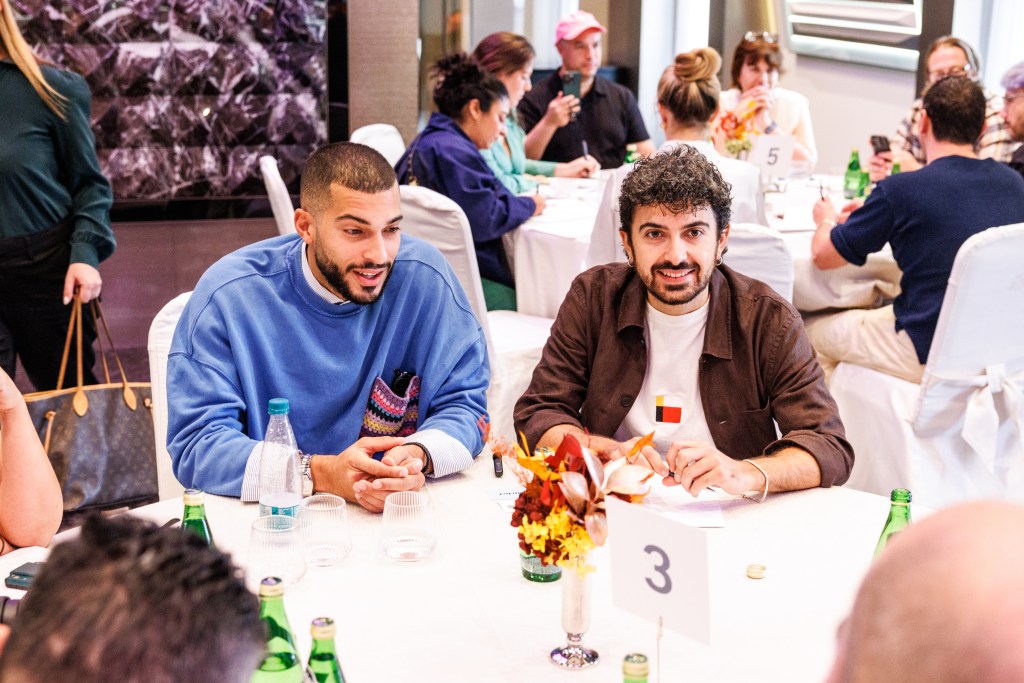
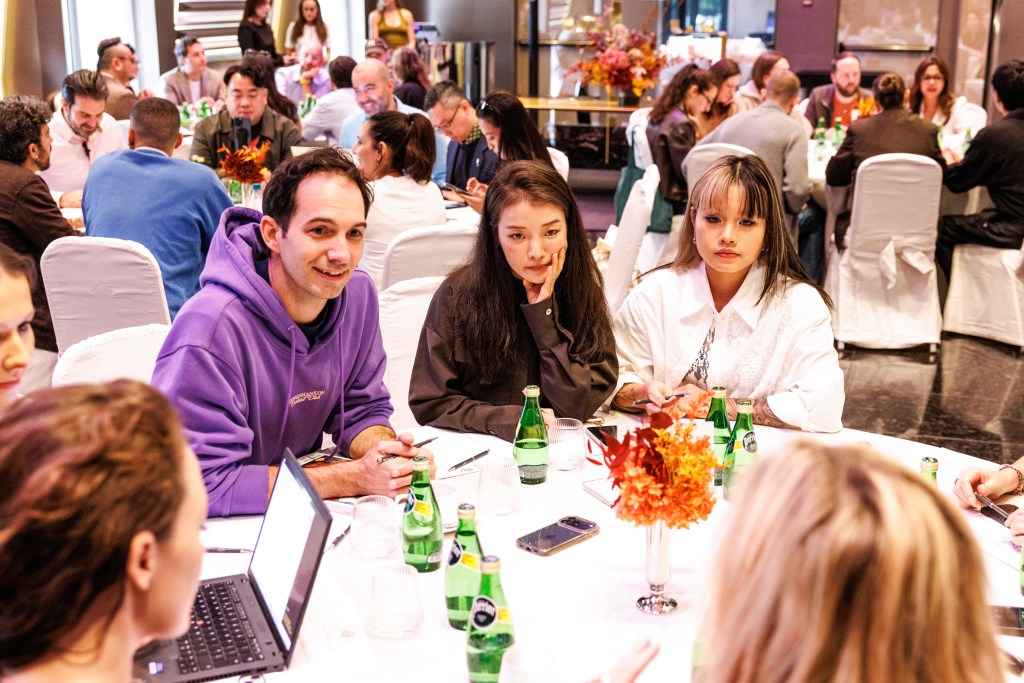
The theme of this year’s Meet the Bartenders sessions is “From Local Roots to Global Recognition”. Looking at the bars featured by The 50, what are the common traits that enable a bar to remain authentic to its origins while achieving global recognition?
One of the biggest common traits is a strong sense of identity and community. The bars that achieve global recognition without losing their authenticity are usually the ones that remain deeply connected to where they come from and use their platform to celebrate that.
We see this through bars supporting local producers and partnering with local brands, such as Alquímico in Cartagena, which has built an international reputation while championing Colombian agriculture and biodiversity. Others showcase local culture through ingredients, like Lady Bee and Bar Carmen, who work almost exclusively with local suppliers and reinterpret regional flavours in a contemporary way that expresses their endemic culture. And it’s not limited to South America, Bar De Vie in Paris is dedicated to utilising French spirits and leaning on seasonal, locally sourced produce for its drinks and food menus.
It’s also about being proud ambassadors for their destination. Rather than adapting themselves to global trends, the most successful bars bring something unique to the conversation, whether that’s through local traditions, ingredients, people or perspectives.
You’ve spent much of your career helping brands connect with audiences through storytelling. How important is storytelling today in helping a bar stand out on the global stage?
Storytelling is incredibly important because it’s what gives a bar personality and makes it memorable. Great cocktails might bring people through the door, but it’s often the story behind the experience that keeps them talking about it long afterwards.
For me, storytelling extends far beyond the drinks themselves. It’s reflected in everything from the menu and design to the music, service style and overall atmosphere. When all of those elements work together, guests get a much deeper understanding of what the bar represents and the people behind it. Storytelling doesn’t have to be theatrical or layered – it can simply be a bar with a strong point of view communicating it consistently to every customer.
In a world where there are so many exceptional bars, storytelling helps create an emotional connection. It gives guests a reason to engage with a venue on a more meaningful level and helps transform a good experience into one they genuinely remember.
Many of the world’s most celebrated bars are deeply rooted in their local culture, ingredients, and traditions. Do you think authenticity has become more important than innovation in today’s bar industry?
I don’t think it’s a question of one being more important than the other. The most exciting bars today are often those that use innovation to express their authenticity.
Guests are increasingly interested in where ingredients come from, the stories behind them and what makes a particular bar unique. Bars such as Zest, Sip & Guzzle and Locale Firenze are great examples of venues that continue to innovate while remaining deeply connected to their heritage and local identity.
Innovation will always be essential to keeping the industry moving forward, but authenticity is often what gives that innovation purpose. The bars making the biggest impact tend to be those with a clear sense of who they are and why they exist.
As one of hospitality’s most influential global platforms (or maybe ‘the most’!), how does The 50 balance celebrating established destinations while also giving visibility to emerging voices and lesser-known bar communities?
While the rankings remain our most visible platform, they’re just one part of a much broader ecosystem designed to celebrate talent across the industry.
One of the ways we do this is through The 50 Discovery, which showcases more than 3,500 venues across over 800 cities worldwide. It allows us to shine a light on incredible bars, restaurants and hotels beyond the destinations people might already know, helping travellers discover emerging scenes and new communities.
We’re also committed to supporting the next generation of talent through initiatives such as The 50 Best Bars Scholarship. This year’s winner, Isa Mejia, stood out for combining a deep appreciation of South and Central American heritage with a forward-thinking approach to fermentation and low- and no-alcohol drinks. Supporting people like Isa is just as important as celebrating the bars already at the top of the rankings, because they’re helping shape the future of the industry.
When you look at the stories emerging from bars around the world today, what themes do you believe will define the next chapter of global cocktail culture?
One of the biggest themes is the growing relationship between mixology and gastronomy. More and more guests are looking for a complete hospitality experience, and bars are responding by creating thoughtful food programmes that complement their drinks offering. Venues such as Moebius Milano and Eximia, where Márcio Silva teamed up with chef Manu Buffara to build a menu where the food is structurally integrated with the drinks, are great examples of this approach.
We’re also seeing continued growth in low- and no-alcohol cocktails. What was once considered a niche category is now becoming an integral part of cocktail culture, with guests expecting the same level of creativity and craftsmanship regardless of alcohol content.
Finally, sustainability and responsible sourcing will continue to play an important role. From reducing waste to highlighting local ingredients, many of the most exciting bars are finding creative ways to combine innovation with a more conscious approach to hospitality.
After years of discovering and sharing stories from around the world, which bar or hospitality experience has personally taught you the most about the power of local culture, and why?
It’s difficult to choose a single experience because that’s really been one of the most rewarding parts of working in this industry. Every city and every venue offers a different perspective on how culture can be expressed through food, drinks and hospitality.
What continues to impress me most is the pride that people take in sharing a sense of place with their guests. Whether it’s through ingredients, traditions, design or storytelling, the best hospitality experiences give you an insight into the people and culture behind a destination. That’s something I’ve been fortunate to encounter time and time again while travelling, and it’s one of the reasons I find this industry so inspiring. There are always new stories to discover and new perspectives to learn from.
Do you think a great cocktail bar can become a cultural ambassador for its city in the same way that a great restaurant, museum or landmark can?
Absolutely. The best cocktail bars often provide one of the most authentic and contemporary reflections of a city’s culture.
They’re able to showcase local ingredients, creativity, hospitality and talent in a way that’s accessible and engaging for visitors. In many cases, a bar can offer a unique window into a destination’s identity and introduce guests to elements of local culture they might not otherwise experience.
We’re increasingly seeing travellers plan trips around bars they want to visit, which is a testament to the role hospitality now plays in global tourism. That’s something I love about The 50 Discovery as well. It gives people the opportunity to uncover exceptional bars, restaurants, hotels and vineyard experiences around the world and can often inspire them to visit destinations they may never have previously considered.
Many thanks to Emma for her time and for sharing her perspective on the trends shaping the global bar industry.
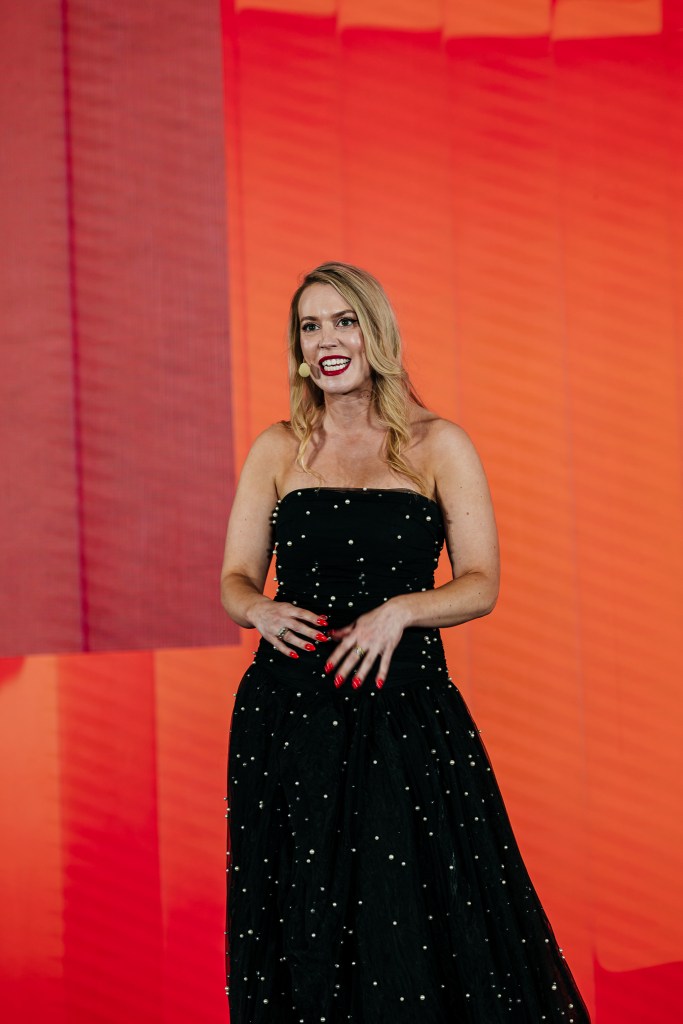
If there was one lesson from this year’s Bartenders Meet sessions, it is that the world’s most influential bars have expanded their role far beyond the cocktail glass.
In Medellín, Bar Carmen uses biodiversity to tell the story of Colombia. In Florence, Locale Firenze translates Italian culture through ingredients and gestures. In Guangzhou, Hope & Sesame has become an ambassador for a city many international visitors are only beginning to discover. In New York, Sip & Guzzle creates a dialogue between Japanese craftsmanship and American hospitality. In Paris, Bar Nouveau transforms cocktails into an entry point for conversations about art, design and philosophy.
Taken together, these bars illustrate a broader shift within the industry. The most exciting venues today are not necessarily those with the most elaborate techniques or the most theatrical presentations. They are the ones rooted in a clear sense of place, purpose and identity.
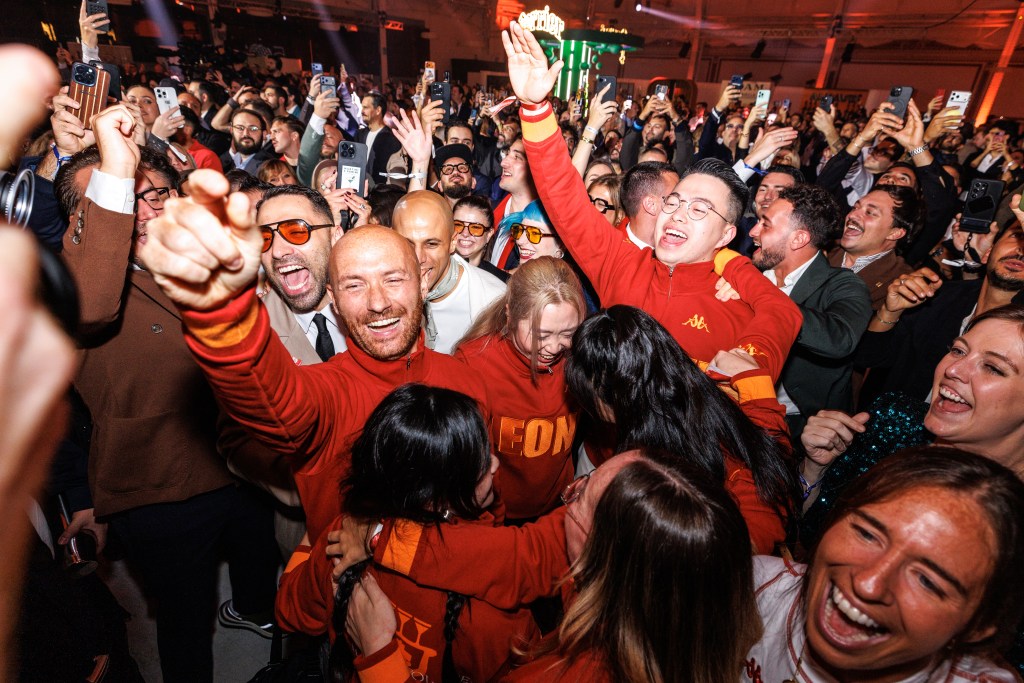
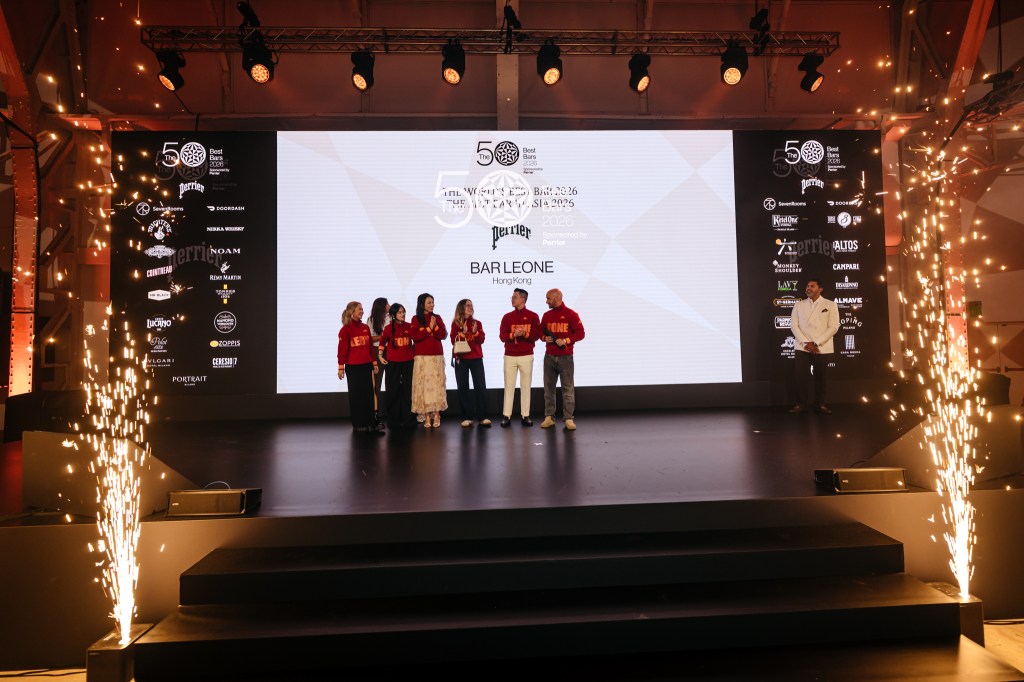
The victory of Bar Leone, the Hong Kong bar co-founded by Italian bartender Lorenzo Antinori, perhaps captures this evolution perfectly. An Italian-inspired neighbourhood bar thriving in one of Asia’s most dynamic cities, it demonstrates that cocktail culture no longer follows geographical boundaries. Ideas, ingredients and hospitality styles now travel freely across continents, while local identity remains more valuable than ever.
As Emma Sleight suggested, the future of great bars is not simply about what ends up in the glass. It is about the stories bars tell, the communities they build and the cultural bridges they create. In 2026, the best bars are not just destinations in their own right. They are gateways to the people, places and traditions that inspire them. Judging by the conversations in Milan, that future is already here.
AD.


Leave a Reply