Why great hotel bars matter more than ever, according to Keith Motsi and Thibault Mequignonfrom Four Seasons Tokyo and Four Seasons Hotel George V Paris
The New Luxury Is Trust
There was a time when luxury hospitality could be measured in marble, chandeliers and thread counts. Today, its most valuable currency may be something far less tangible: trust.
In an age of endless choice, travellers can discover hundreds of cocktail bars, restaurants and hotels with a swipe of a screen. Yet as options multiply, certainty becomes increasingly rare. We know where to go, but we are often less certain about how we will be received. We can book almost anywhere, yet finding places that genuinely make us feel welcome, comfortable and understood remains surprisingly difficult.
That may help explain the enduring appeal of great hotel bars.
For all the attention paid to cocktail innovation, design and international rankings, the world’s leading hotel bars continue to thrive for a remarkably simple reason: they offer reassurance. Whether in Paris, Tokyo, Singapore or New York, they provide something increasingly valuable to modern travellers, namely the confidence that they will be looked after.
VIRTÙVIRTÙVIRTÙ
The Original Destination Bars
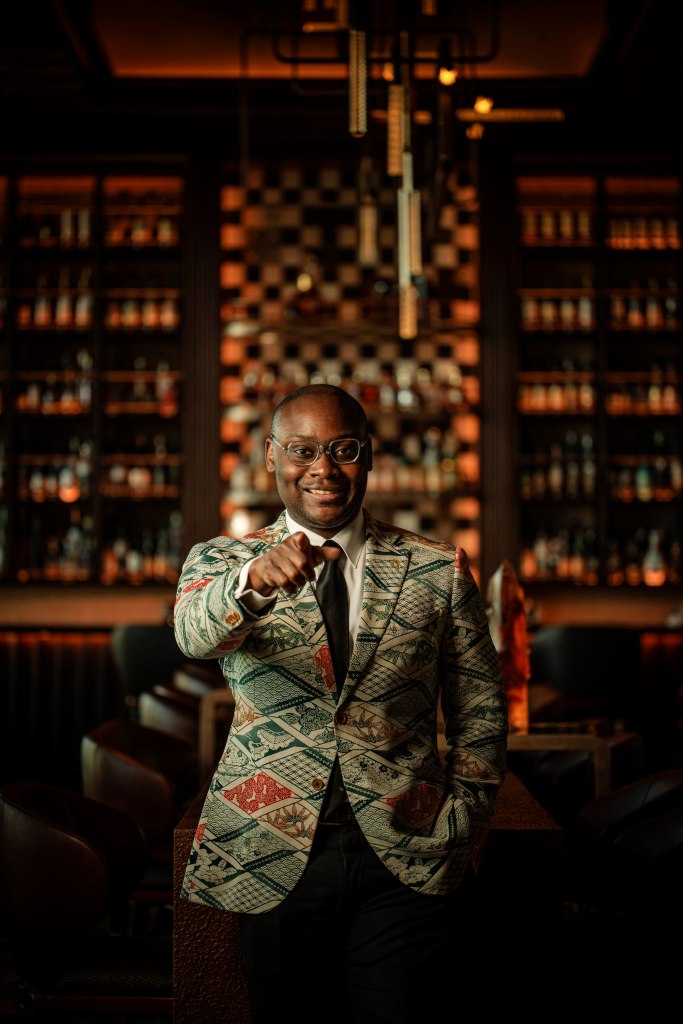
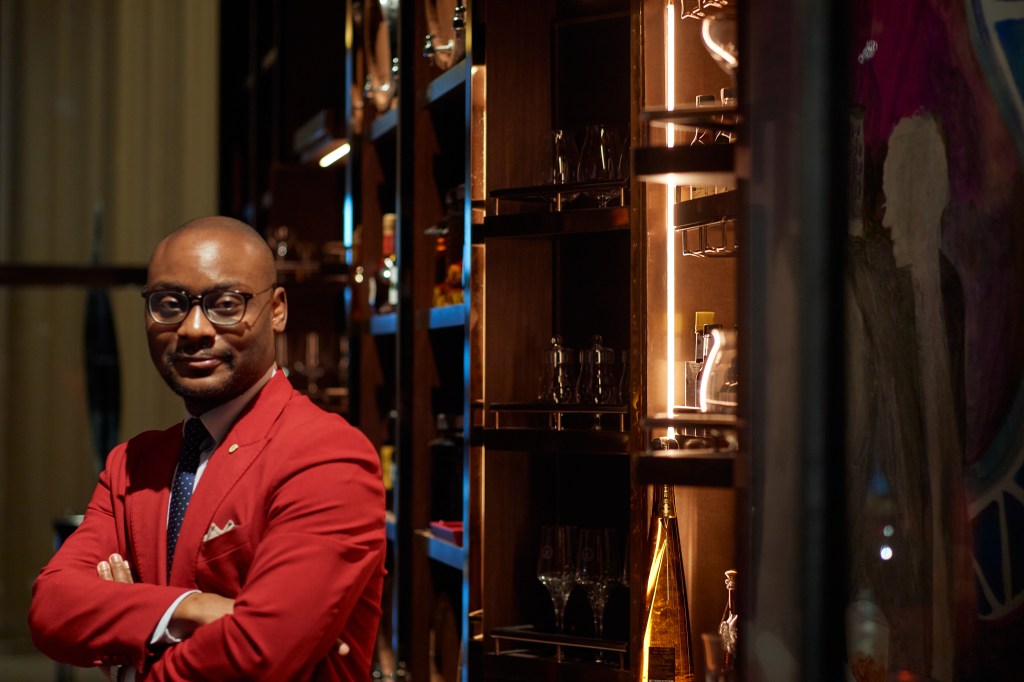
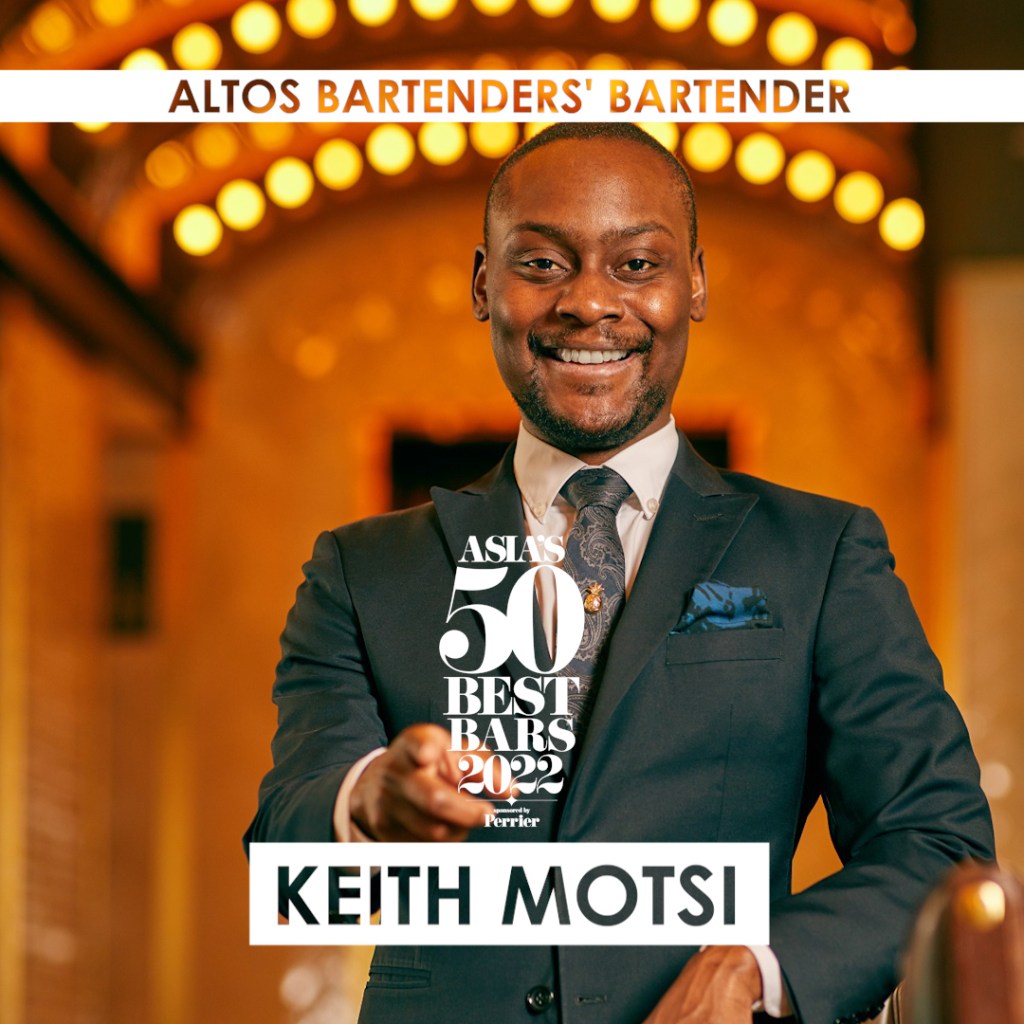
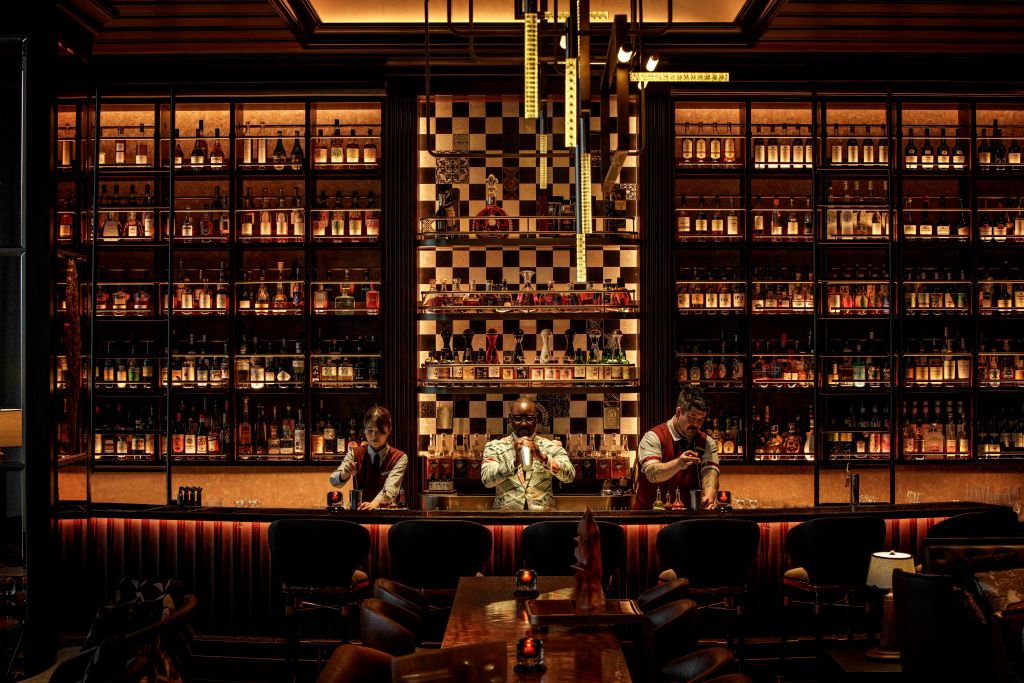
It’s a role that Keith Motsi of VIRTÙ Bar in Tokyo understands particularly well. Far from seeing the hotel bar as a supporting act within a larger operation, he views it as one of hospitality’s oldest and most important institutions.
“It’s always been the case. If you look throughout history, bars in hotels are the places where the city came to congregate.”
His point is worth dwelling on. Long before cocktail festivals, guest shifts and social media transformed the industry, hotel bars served as meeting places where travellers and locals crossed paths. During Prohibition, many bartenders left the United States for Europe and Asia, helping establish the grand hotel bars that would go on to define entire cities.
As Motsi puts it:
“The hotel bar truly became the living rooms of the glamorous cities.”
The phrase feels particularly relevant today. While luxury hospitality continues to evolve, the most successful hotel bars still perform the same fundamental function: they bring people together. They are often where a guest’s relationship with a hotel truly begins, a point Motsi makes when he notes that “people’s first encounter with the hotel is usually through its F&B outlets, whether it’s guests or locals alike.”
Yet if hotel bars have always mattered, the expectations placed upon them have changed dramatically. No longer content to exist as extensions of the lobby, today’s leading venues are developing identities of their own. Guests are not simply looking for somewhere convenient to have a drink. They are looking for destinations with personality, creativity and a point of view.
Motsi is particularly clear on this subject.
“The bar has to have its own identity and its own brand within the overall building. There’s almost a stigma to being a hotel bar, whereas being a destination bar carries this mystery and prestige.”
In many ways, that single observation captures one of the most significant shifts taking place in luxury hospitality. The modern hotel bar is no longer competing exclusively with other hotels. It is competing with the world’s best cocktail bars, regardless of where they are located.
Le Bar du George VLe Bar du George VLe Bar du George V
Paris and Tokyo: Different Languages, Same Goal
Listening to both Keith Motsi and Thibault Mequignon, another fascinating contrast emerges. Although they share similar ambitions, they are shaped by very different hospitality cultures.
Paris seduces and Tokyo perfects.
In Europe, particularly in cities such as Paris, hospitality often revolves around atmosphere, spontaneity and personality. Guests are drawn to places that feel alive, where conversation flows naturally and where the experience feels tied to the culture surrounding it.
Japan expresses hospitality differently. Excellence is found not in grand gestures but in the meticulous execution of countless details. For Motsi, much of that philosophy comes from the Japanese concept of omotenashi.
“The approach is to be hyper focused on the present moment and give the best of yourself.”
It is a culture where consistency becomes an art form and where guests have exceptionally high expectations for even the smallest interactions.
“The guests are more used to things being done to a very high standard in all the small things on a daily basis, so it means we have to deliver our best day in, day out.”
Neither approach is superior to the other. Rather, they represent two different routes to the same destination. Europe has long excelled at creating emotion. Asia has mastered precision. The most compelling hospitality experiences often emerge where the two meet.
VIRTÙVIRTÙVIRTÙ
When Paris Meets Tokyo
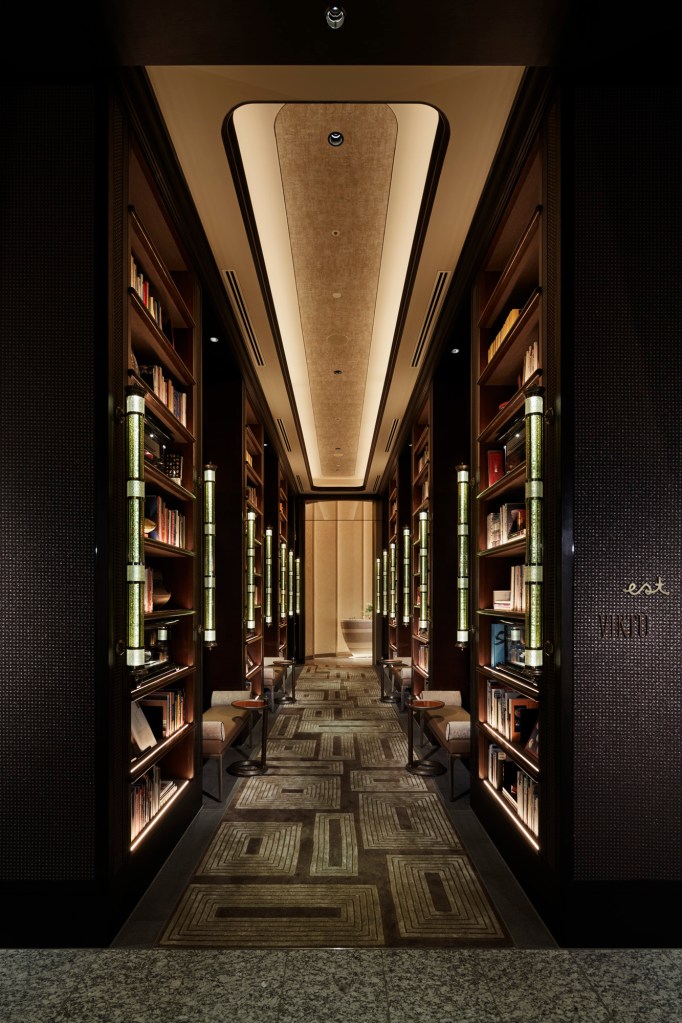
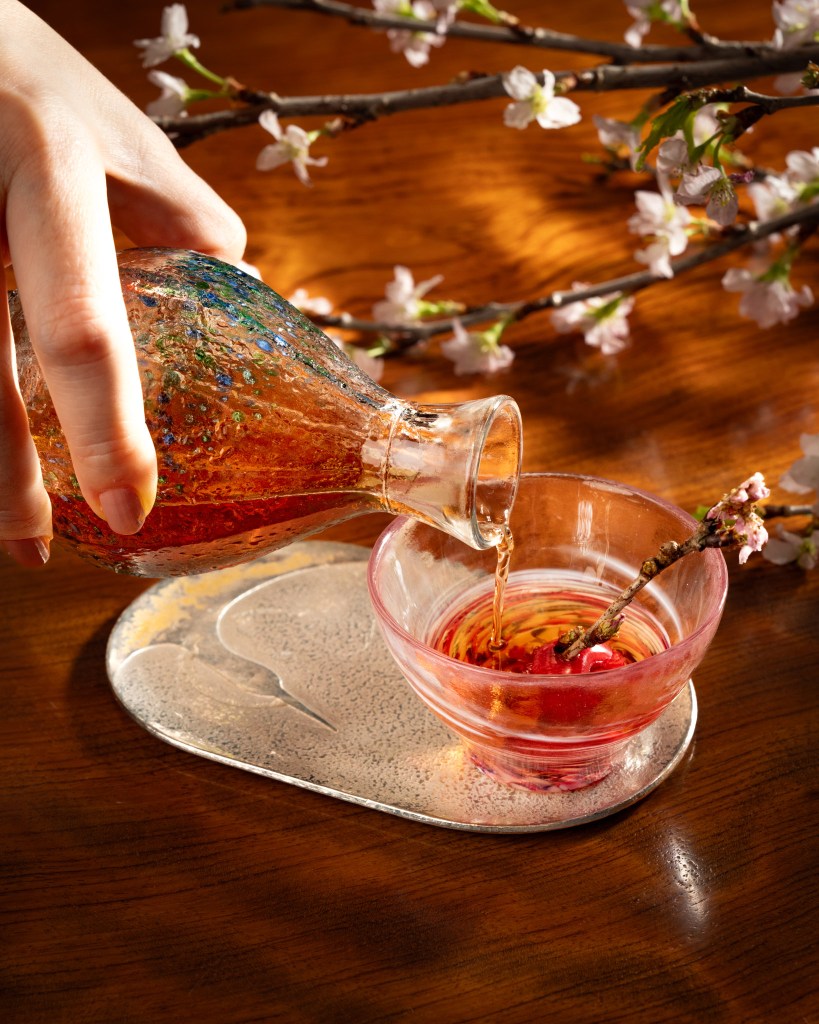
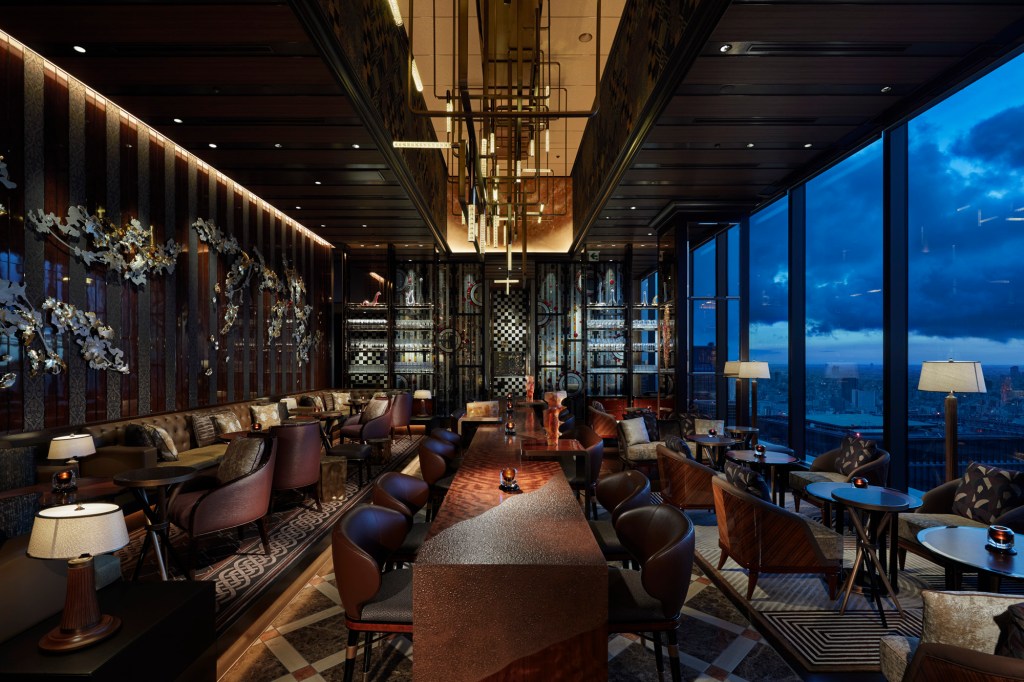
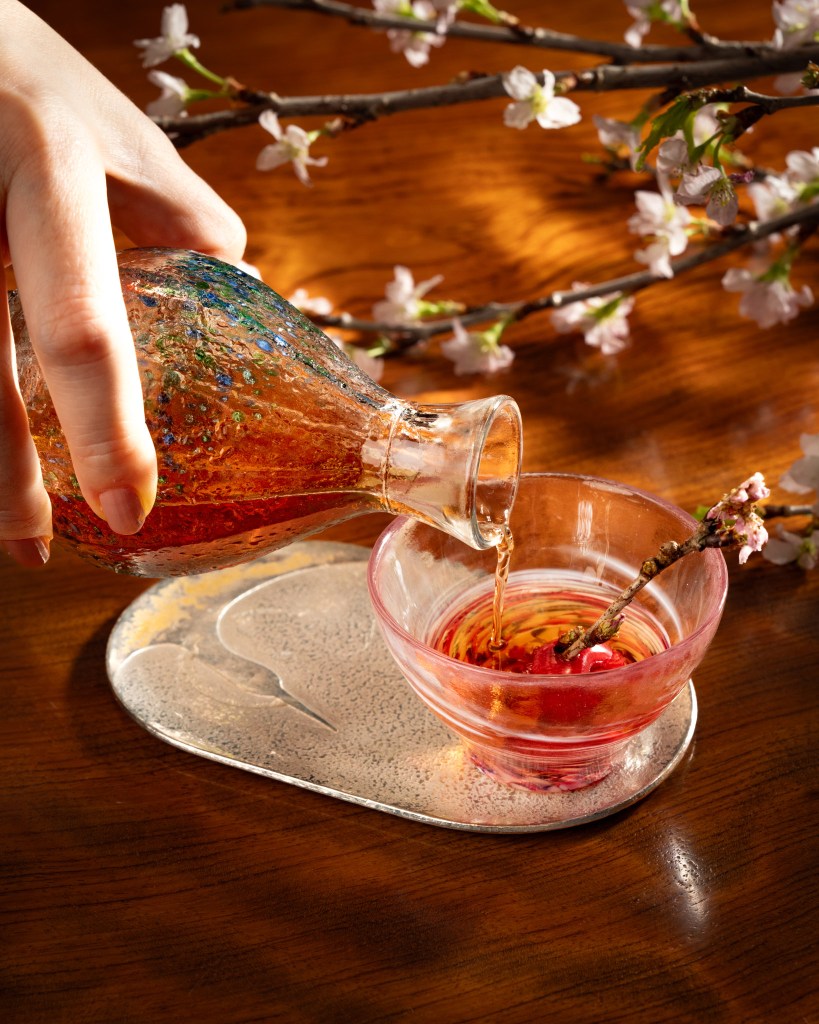
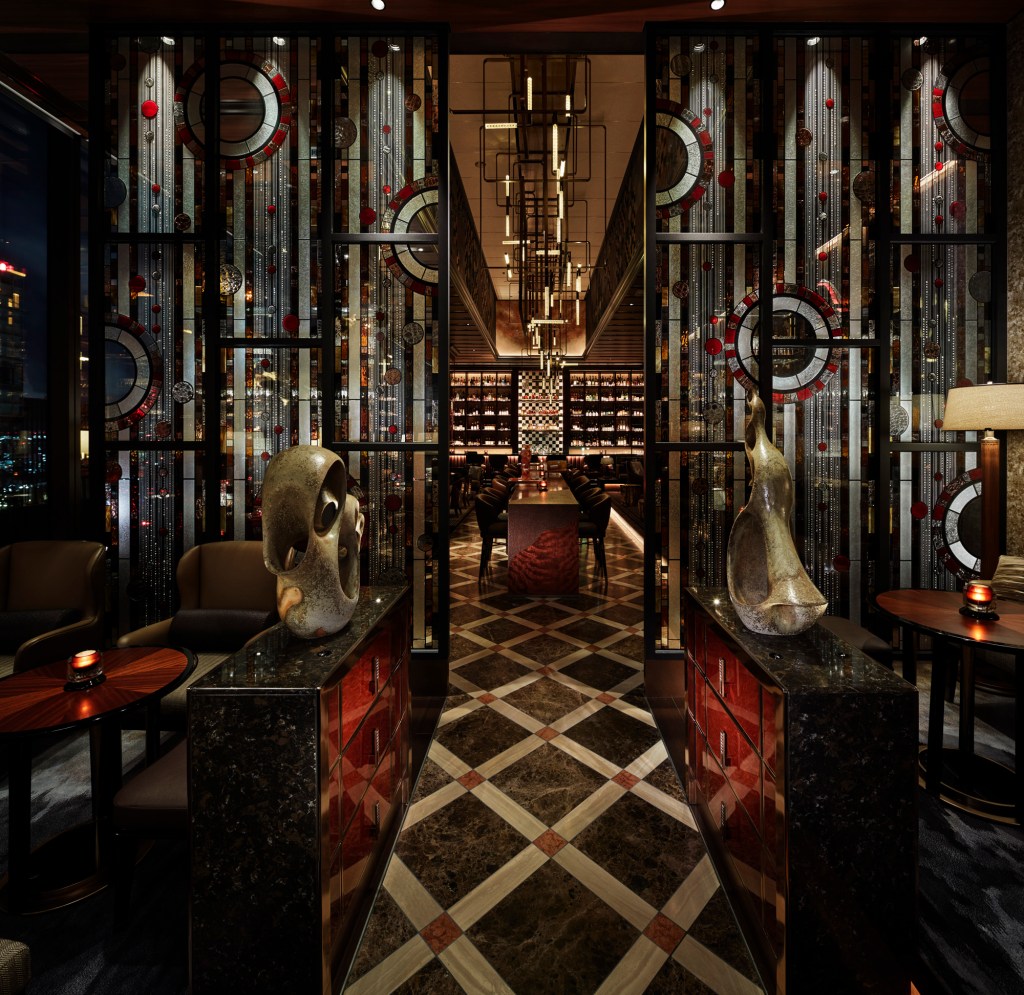
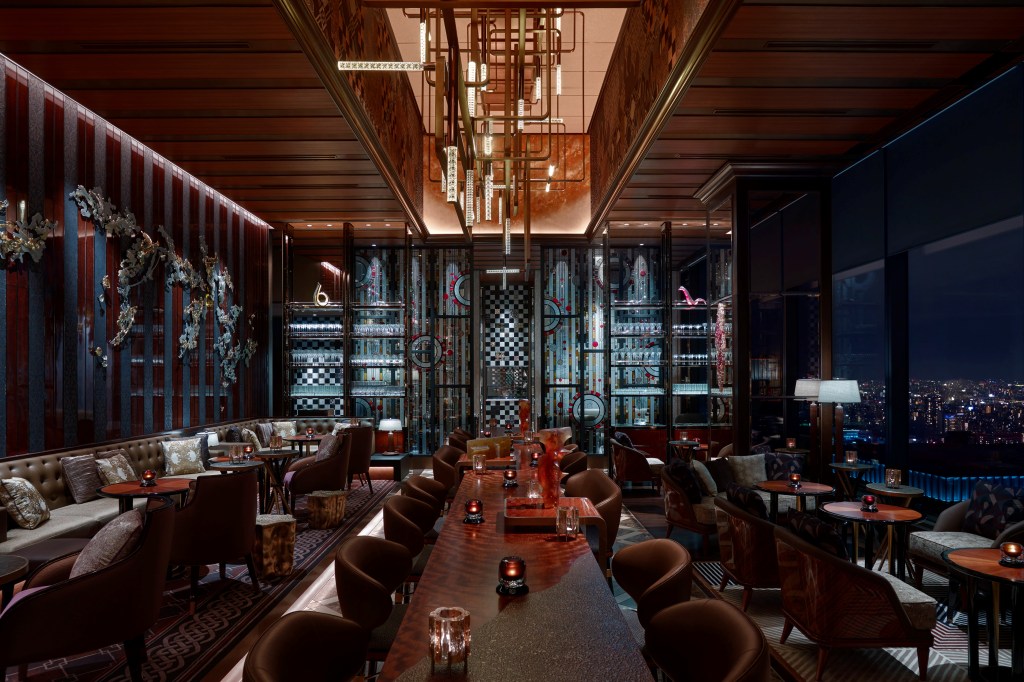
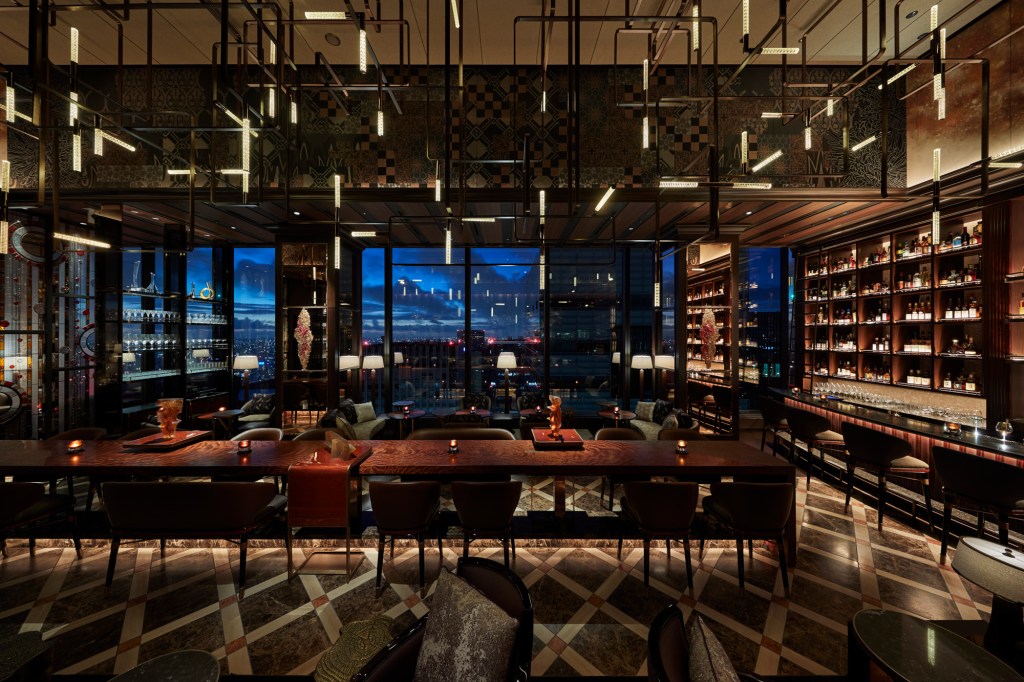
That intersection sits at the heart of VIRTÙ, whose menu concept is built around the idea of Paris meeting Tokyo. Yet Motsi is quick to point out that this cultural dialogue extends far beyond cocktails.
“It goes beyond the menu. It goes into the ambience, music, lighting and pacing of the service. It’s all part of the experience.”
The venue’s success rests on its ability to satisfy two very different audiences at the same time.
“Our locals come in to have a feeling of being abroad and our international guests come to us to gather intel on all things local and discover a bit of the local scene.”
Few observations capture modern hospitality more accurately. Locals seek escape, while travellers seek authenticity. The challenge is delivering both simultaneously.
Le Bar du George VLe Bar du George VLe Bar du George V
Opening the Doors of Luxury
If Tokyo illustrates how luxury can embrace culture, Paris demonstrates how luxury is learning to become more welcoming.
Across much of Europe, palace bars have long suffered from a perception problem. Admired from afar, they are often viewed as spaces reserved for hotel guests, celebrities or special occasions. Many people hesitate before walking through the doors of a grand hotel simply because they feel they need a reason to be there.
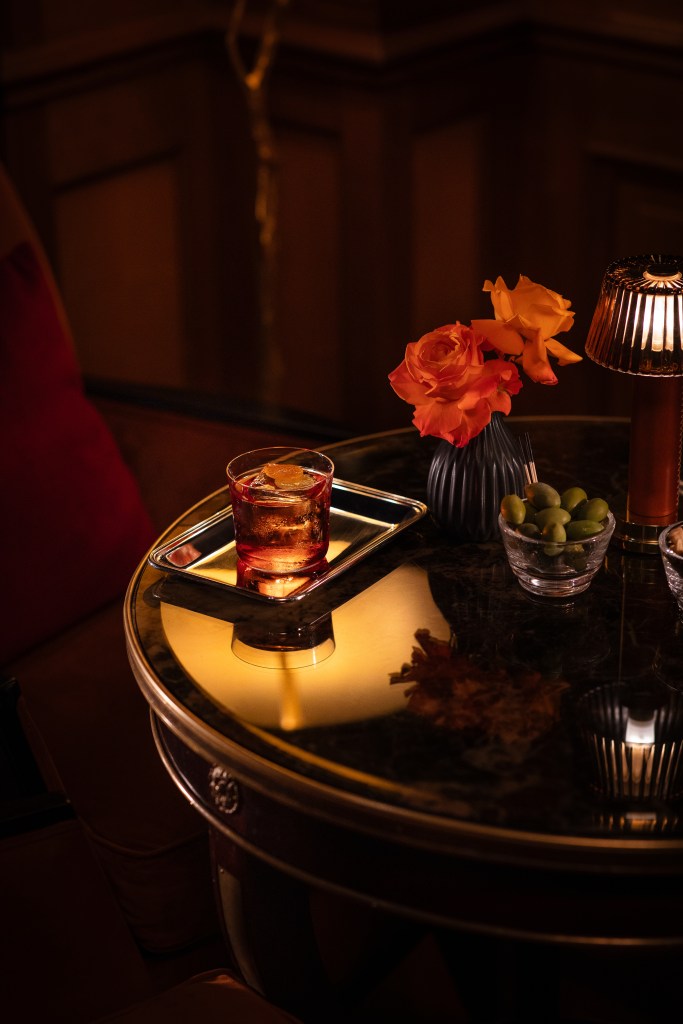
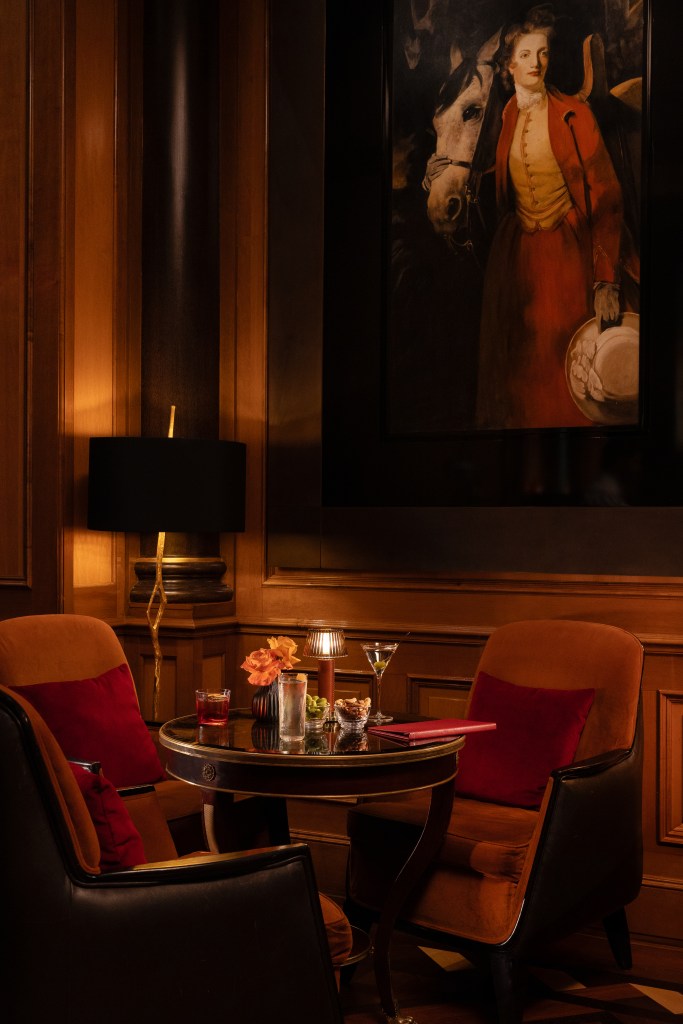
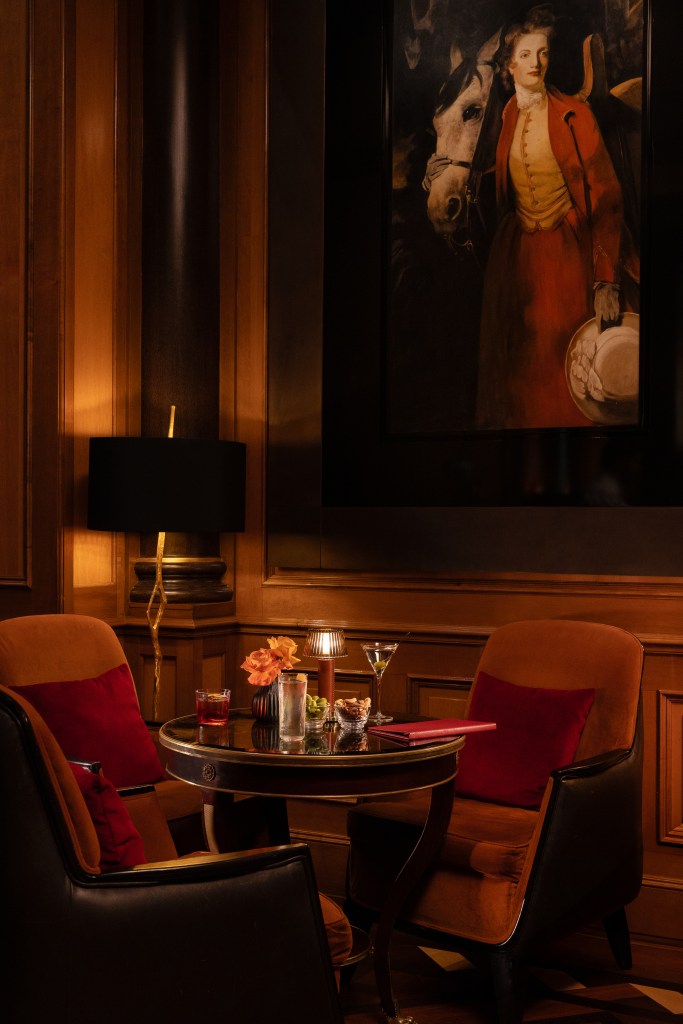
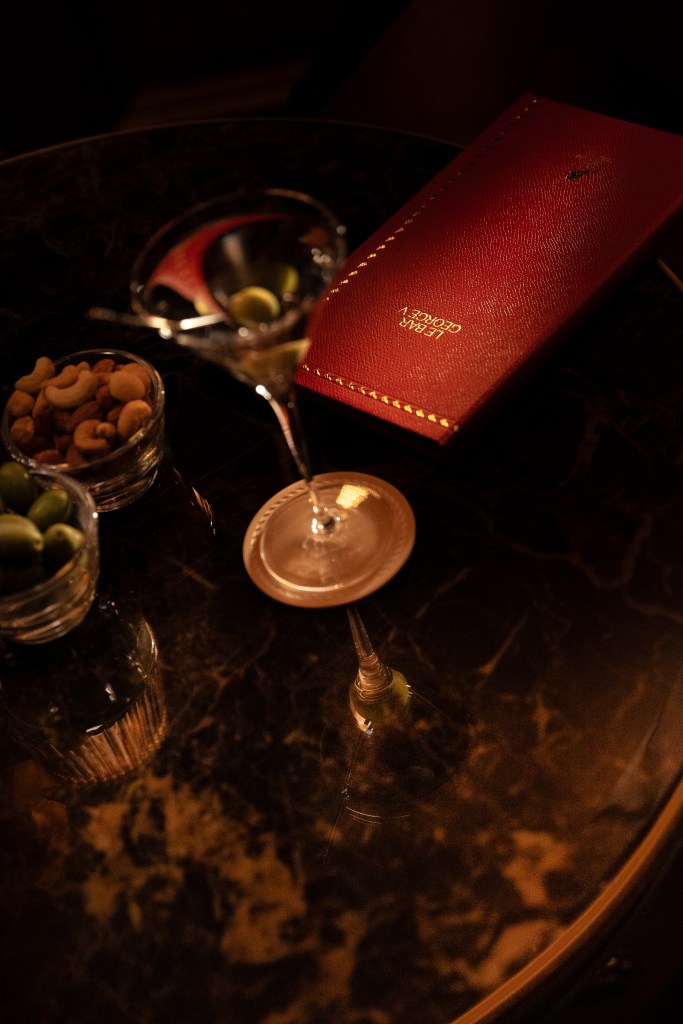
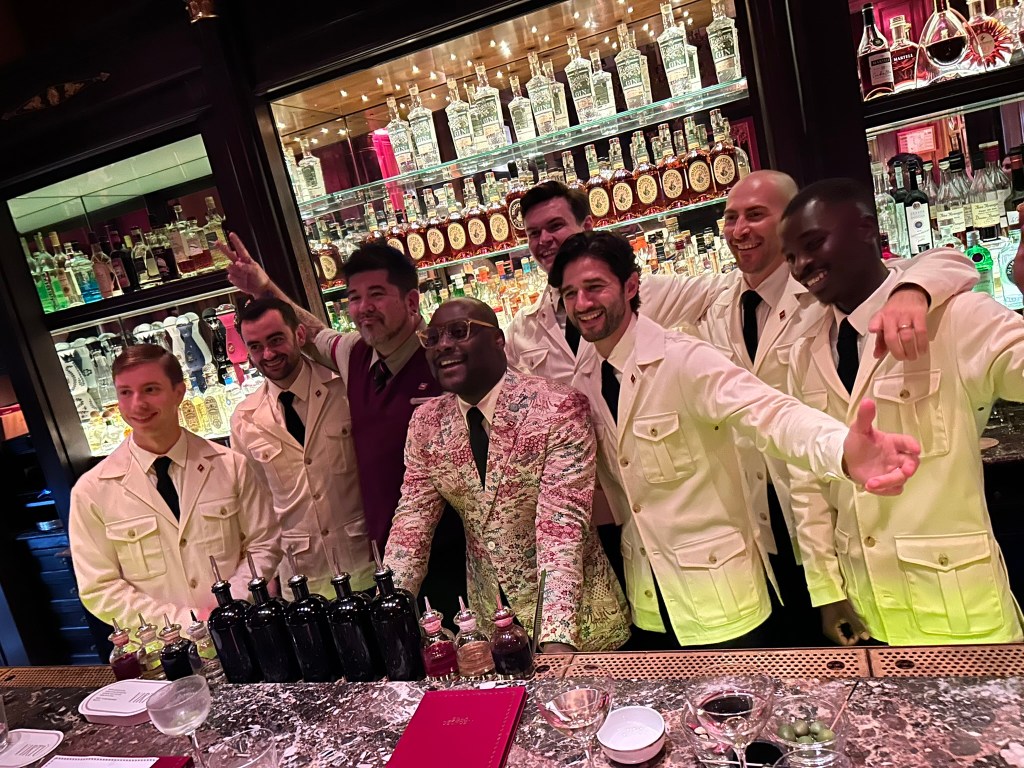
AtLe Bar du George V, Thibault Mequignon is actively working to challenge that perception.
“Today, a hotel bar needs its own personality, creativity and identity, while remaining connected to the hotel’s heritage.”
His vision can be summarized by a phrase that sounds almost deceptively simple:
“The precision of a palace, with the soul of a neighbourhood bar.”
Behind those few words lies a significant shift in thinking. Rather than relying solely on prestige, the new generation of luxury bars is borrowing ideas from independent cocktail culture, embracing creativity, warmth and accessibility without sacrificing standards.
Mequignon understands both worlds intimately.
“My background in the independent cocktail scene taught me to challenge conventions, experiment and give bartenders the freedom to express themselves.”
Today, his aim is to combine the strengths of both environments without compromising either.
“I want the creativity of an independent bar with the excellence of a palace.”
VIRTÙVIRTÙVIRTÙ
Winning the Locals
That balance becomes particularly important in Paris, one of the most competitive cocktail destinations in the world. In such a crowded landscape, a prestigious address alone is not enough to secure loyalty.
As Mequignon bluntly puts it:
“Being inside a five-star hotel isn’t enough to make people return.”
The qualities that inspire guests to come back are ultimately the same ones that make any great neighbourhood bar successful.
“We need exceptional drinks, of course, but more importantly, personality, consistency and genuine relationships.”
Perhaps the most revealing line of the interview follows immediately afterwards:
“I want Parisians to feel that Le Bar du George V is also their bar.”
That ambition says a great deal about where luxury hospitality is heading. The future belongs not to places that impress people once, but to places people genuinely want to revisit.
Le Bar du George VLe Bar du George VLe Bar du George V
The Art of Effortless Elegance
What makes the conversation between Motsi and Mequignon particularly interesting is that both bartenders are obsessed with excellence, yet neither believes guests should be made aware of the effort required to achieve it.
Mequignon describes his philosophy as simplexity, an approach rooted in making highly complex work appear effortless.
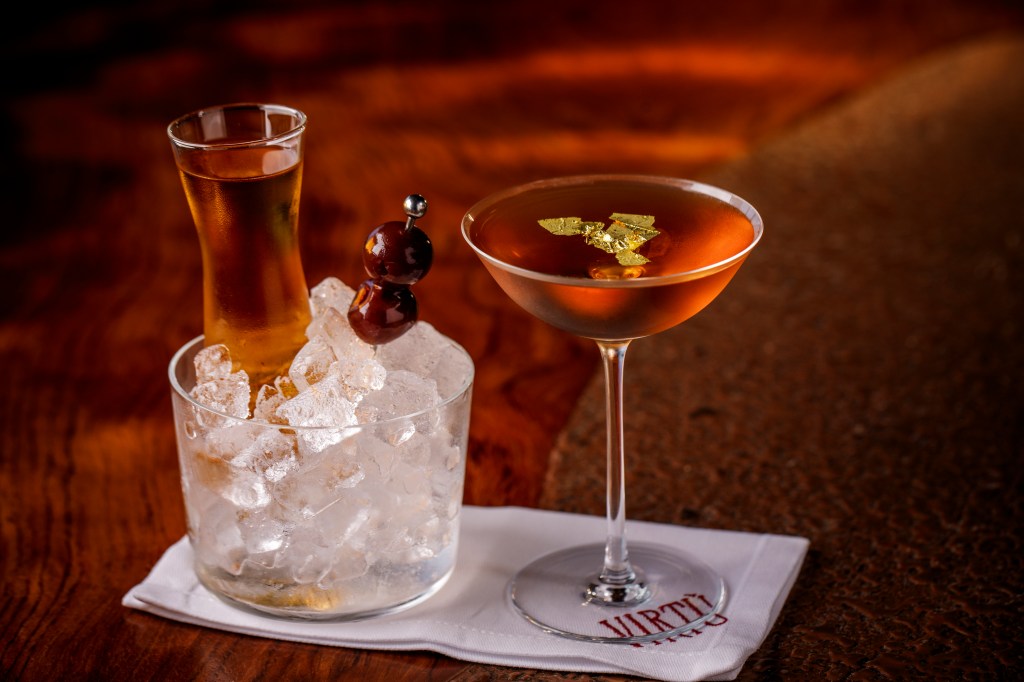
“We might spend weeks developing a cocktail, exploring techniques and refining every detail, but the final experience should be incredibly smooth and simple.”
The idea extends far beyond cocktails themselves. It shapes his entire understanding of Parisian elegance.
“Parisian elegance is about knowing when to do less.”
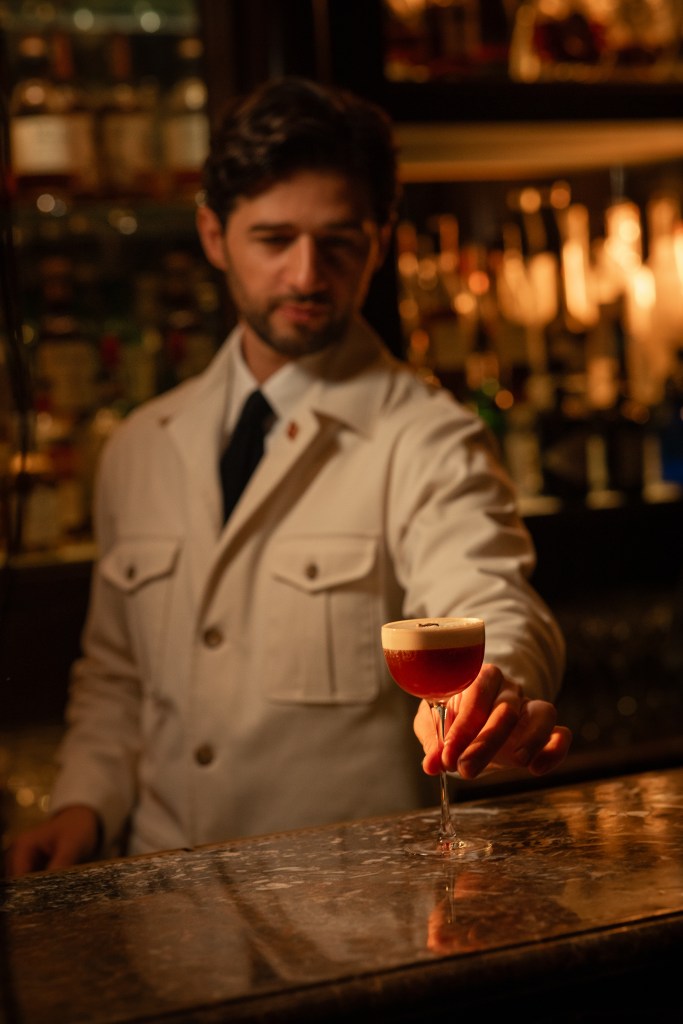
In many ways, the sentiment echoes the philosophy that made Coco Chanel a symbol of timeless French style: sophistication comes not from accumulation but from restraint. Whether in fashion, design or hospitality, what is left out can be just as important as what remains. A perfectly balanced cocktail served in the right glass, delivered with the right gesture at precisely the right moment, often leaves a stronger impression than the most elaborate display of technique.
The highest level of craftsmanship is frequently the one that draws the least attention to itself.
VIRTÙVIRTÙVIRTÙ
Beyond Rankings
The conversation eventually turned to rankings, from The World’s 50 Best Bars to The World’s 50 Best Hotels. Both bartenders acknowledge the opportunities these accolades create, but neither sees them as an end goal.
For Mequignon, recognition matters because it celebrates the hard work of teams and shines a spotlight on the profession itself.
“A ranking is a moment of recognition. Building a great bar is an everyday commitment.”
Motsi takes a similarly measured view. Hospitality, he argues, is too broad and deeply personal to be fully captured by any list, yet he also recognizes the role rankings play in guiding guests towards remarkable venues.
“At least they create a guide that covers a diverse amount of truly remarkable bars that are all different in nature.”
Ultimately, both bartenders view awards as consequences rather than objectives. Recognition is gratifying, but sustaining excellence day after day is infinitely harder than achieving a moment of acclaim.
Le Bar du George VLe Bar du George VLe Bar du George V
The New Luxury
Perhaps the most revealing moment in both conversations came when the discussion turned to what guests truly value today.
For decades, luxury hospitality has associated excellence with exclusivity, personalization and craftsmanship. Those qualities remain important, but neither bartender identified them as the defining characteristic of a memorable experience.
Motsi’s answer was striking in its simplicity.
“Comfort, simplicity and being emotionally present in the moment is the new luxury.”
He believes that as traditional luxuries become increasingly accessible, genuine human attention becomes increasingly rare.
“A simple act of kindness becomes the exceptional experience.”
Mequignon approaches the question from another direction yet arrives at almost exactly the same conclusion.
“People might forget what they drank, but they’ll remember how they felt.”
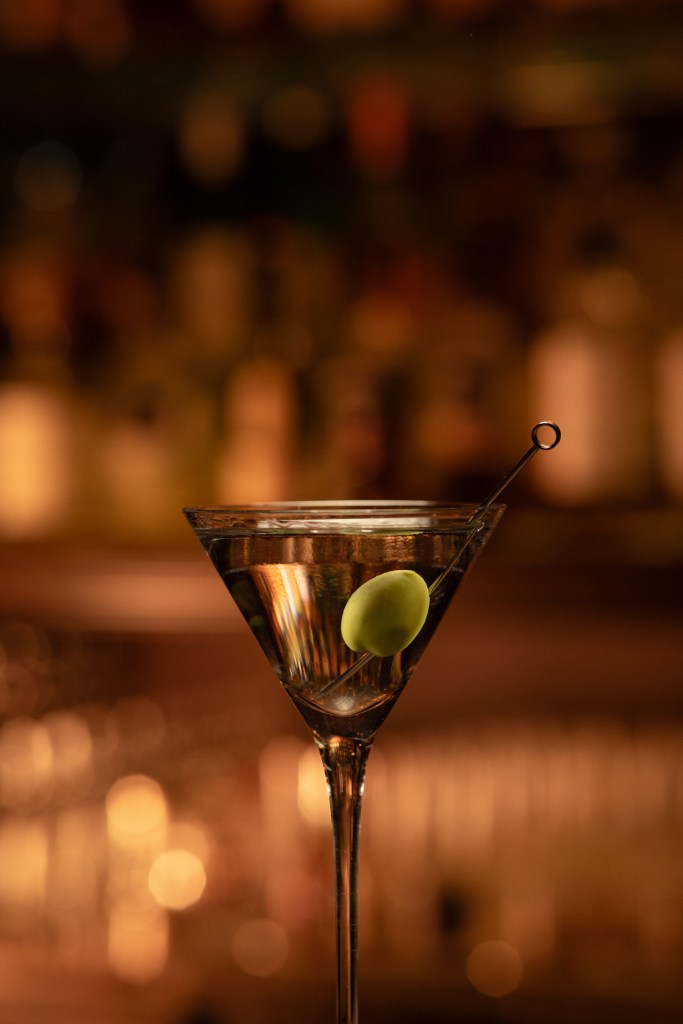
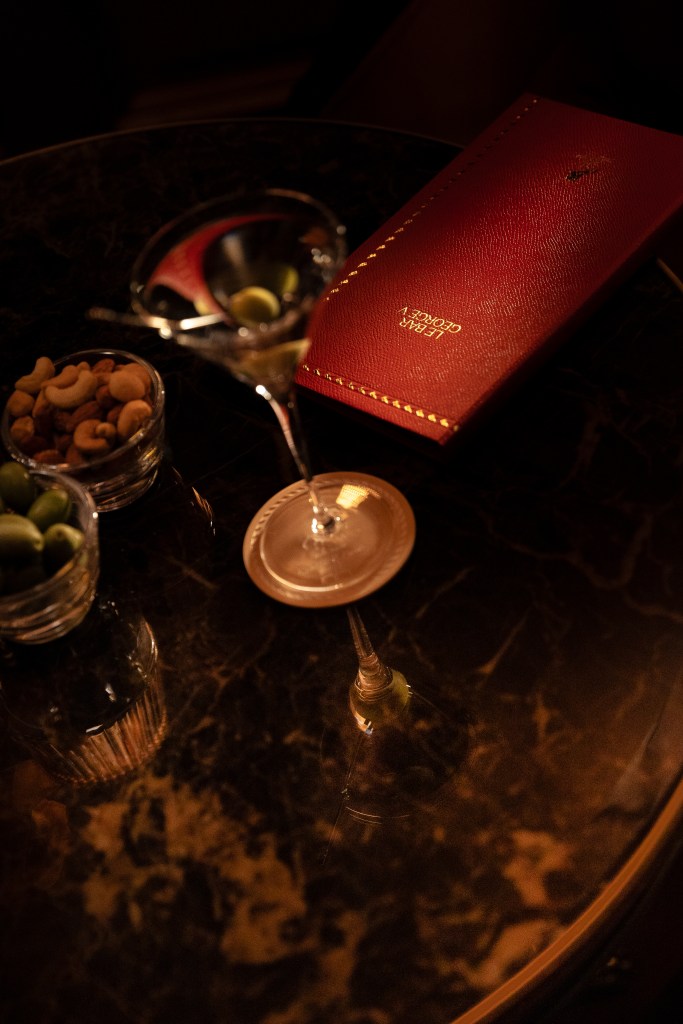
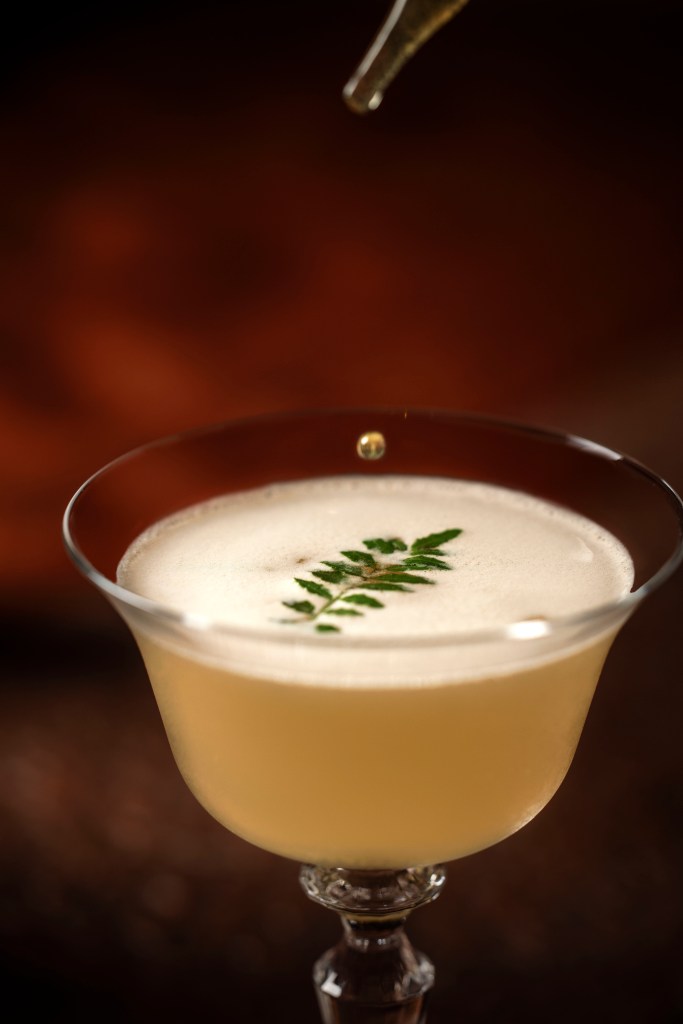
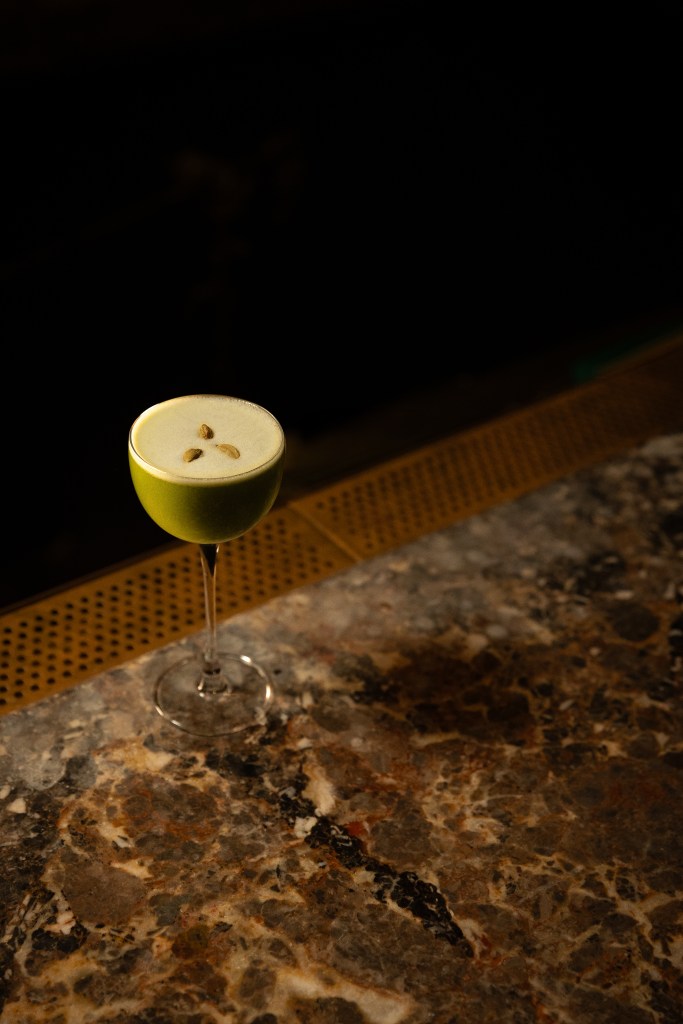
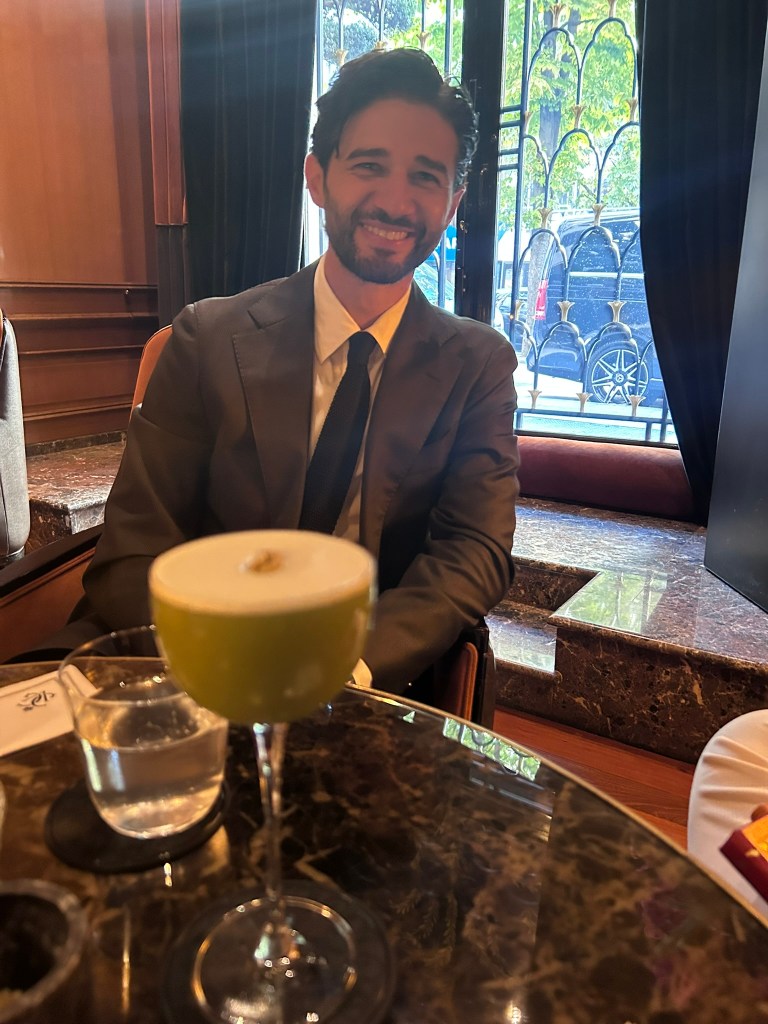
Generally speaking, he’s probably right, although I must admit there are exceptions. After trying the Daily Sin at Le Bar du George V, I remember exactly what I drank. Some cocktails simply refuse to be forgotten, fortunately for all the right reasons.
Humour aside, both bartenders are describing the same shift taking place across hospitality. Guests may admire a beautiful interior, appreciate rare ingredients or be impressed by technical mastery, but those are rarely the memories that remain vivid years later. What endures is often something far more personal: a meaningful conversation, a warm welcome, a sense of belonging or the feeling that somebody genuinely cared about the quality of the moment they were creating.
That may also explain why great hotel bars continue to matter so much. In an increasingly uncertain and fast-moving world, there is something profoundly reassuring about stepping into a place where standards are uncompromising, hospitality feels genuine and every detail has been considered. For travellers especially, that feeling can be every bit as valuable as the cocktail itself.
Perhaps that is the ultimate luxury today. Not exclusivity. Not prestige. Simply the comfort of knowing you are in good hands.
VIRTÙVIRTÙVIRTÙ
The Emotional Centre of the Hotel
Viewed through that lens, the role of the bar within a hotel becomes much easier to understand. While it is often treated as one department among many, sitting somewhere between the lobby and the restaurant, it frequently plays a much larger role within the overall ecosystem. It is where travellers and locals mingle, where conversations unfold, where a city’s culture reveals itself and where a hotel’s personality becomes tangible.
A hotel can impress through its architecture, its suites or its reputation. A great bar does something different. It creates an emotional connection.
The lobby may welcome guests and create the first impression, but it is often the bar that creates the lasting one.
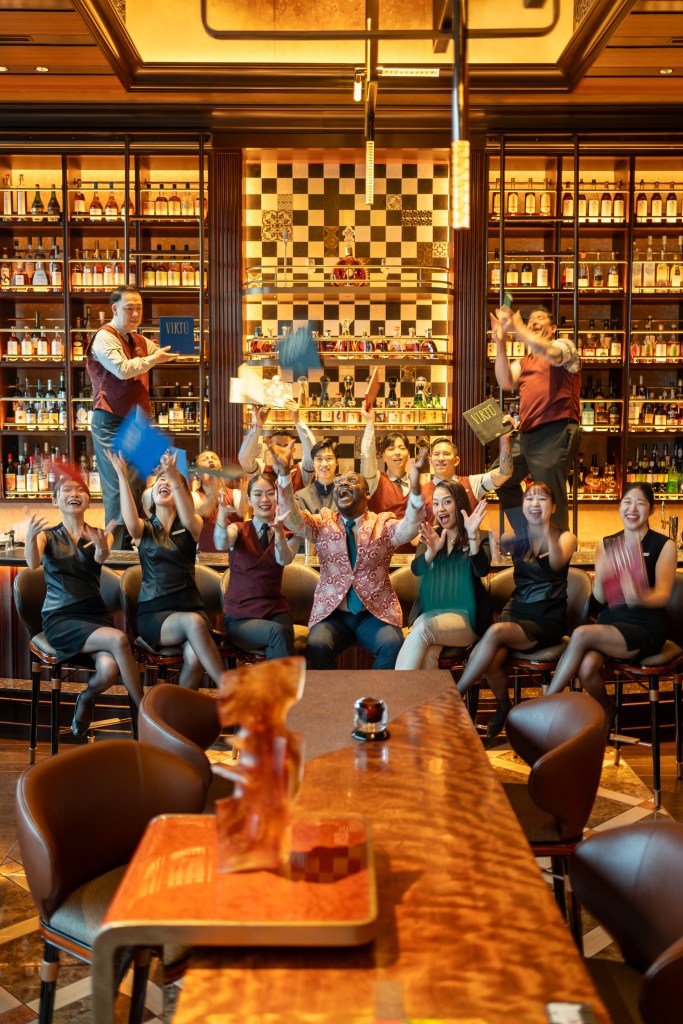
At its best, a hotel bar becomes far more than a place to drink. It becomes the hotel’s living room, its gateway to the city and, increasingly, its emotional centre.
In an industry built on service, memories and human connection, few spaces carry that responsibility more powerfully. The lobby may be the heart of a hotel, but the bar is often its soul. It is where travellers and locals meet, where stories begin, where a city’s culture comes to life and where the personality of a hotel reveals itself most naturally.
Which may be why the most forward-thinking hoteliers are beginning to realise what great bartenders have known all along: the bar is no longer an amenity.
It is one of the strongest expressions of a hotel’s identity.



Leave a Reply